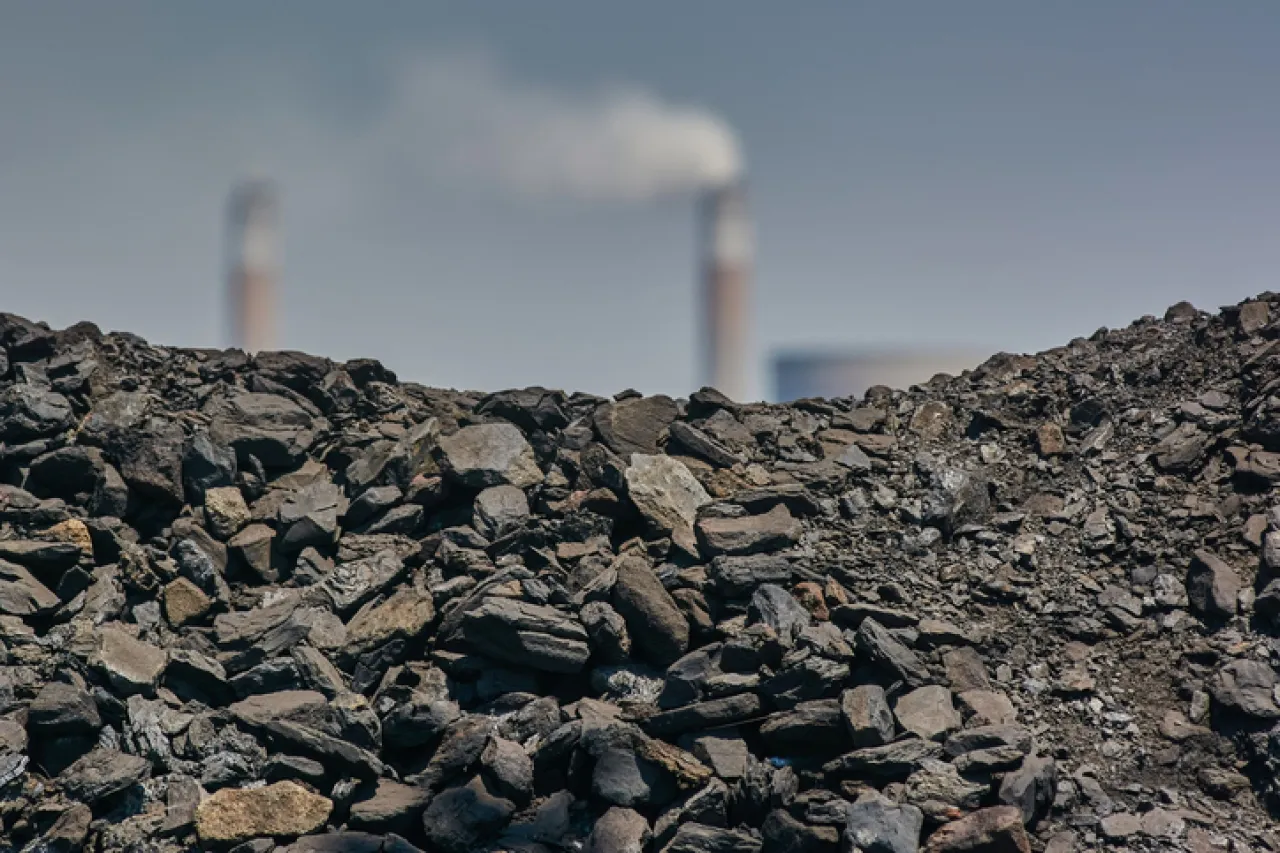
Khaberni - Coal has re-emerged to the forefront as a forced solution imposed by the crisis of closing the Strait of Hormuz, in a frenzied race waged by countries to compensate for supply shortages and ensure the continued generation of electricity, even if the cost is environmentally steep.
According to a report by Zaher Ali for Al Jazeera, the closure of the Strait of Hormuz led to the disruption of about 20% of global oil and gas supplies, igniting a sharp spike in prices, particularly in Asia which relies heavily on imports of liquefied natural gas coming from Gulf countries.
In the vacuum created by this sudden disruption, coal fills the gap as a forced alternative, not a preferred choice, in a scene that reveals the fragility of the global energy system against major geopolitical shocks.
This shift translated into actual decisions on the ground; Japan and South Korea have lifted restrictions on operating old coal-fired power plants that were about to be permanently closed, according to reports monitored by The Economist.
In the same direction, Bangladesh has increased its coal imports from Indonesia and South Africa, while the Philippines and India have increased their local production to bridge the growing gap.
Price Increase
Behind these moves are very clear economic considerations; liquefied gas prices in Asia have increased by more than 70% since the crisis began, compared to an increase of barely 17% in coal prices, making coal despite its high environmental cost, a relatively less expensive option for energy generation.
The report highlights the full figures of the ongoing shift in the markets; oil prices have increased by about 50% since the beginning of the crisis, and the prices of liquefied gas have almost doubled, while Australian coal has increased by only about 25% since late February.
Coal enjoys relative stability due to the nature of its market, as about 17% of its production is traded globally compared to 20% of gas, and major Asian countries like China and India have extensive infrastructure that can be re-operated within months, giving them greater flexibility in crisis situations.
And this regression towards coal is not limited to Asia alone; Italy has decided to postpone the final closure of coal-fired power plants until 2038, i.e., 13 years after the previously set date, in a clear indicator that Europe itself has not escaped the repercussions of the crisis.
These data collectively reveal that the path to transitioning to clean energy, despite the massive investments injected into it over decades, remains fragile in the face of major geopolitical shocks.
Coal, which many thought was a thing of the past, returns - according to the report - to impose its presence again, not by choice, but by dictates of necessity, leaving hanging questions about the future of the Earth's climate amid wars that redraw global energy maps.