Khaberni - Dorothea Brakman, president of the German Pharmaceutical Association, warned of a potential drug shortage in Germany as a result of the ongoing war in Iran, particularly with the pharmaceutical industry's reliance on raw materials from that region.
Brakman told the newspaper "Bild": "The war in Iran is affecting the German pharmaceutical industry: the production of many drugs and packaging relies on raw materials from that region, and a shortage of helium may delay production stages, while increased transportation and material costs are putting pressure on supplies."
In turn, German health economist David Matusevich expressed a similar opinion, pointing out that drug supply chains that require reliable cooling for storage and transportation, such as cancer medications, biologic agents for autoimmune diseases, and insulin, are the most affected.
Matusevich emphasized: "There is currently no threat of widespread shortage, but the risks are increasing. The longer the conflict lasts, the more likely delays in supplies, price increases, or temporary shortages of certain individual drugs may occur."
This warning comes days after the British National Health Service expressed concerns about a disruption in drug supplies. In March, British pharmaceutical companies urged authorities to create a reserve stock to prevent shortages, especially since Britain imports about 75% of its drugs, and the main components for locally manufactured drugs are often imported from Asia.
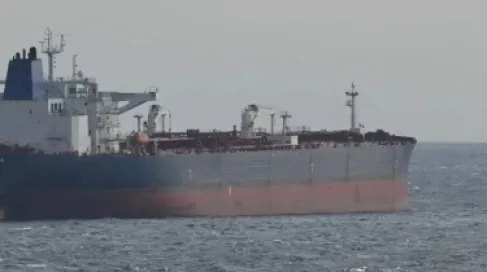
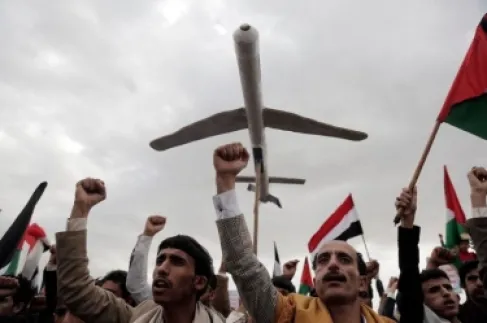
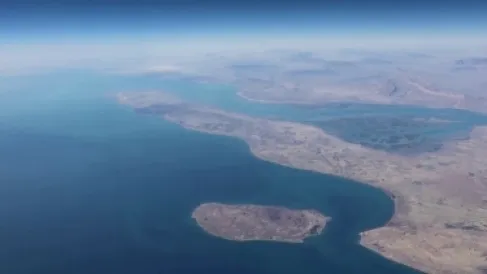
This occurs as the American-Israeli war on Iran continues for the second consecutive month, with ongoing exchanges of missile and drone strikes, and an effective closure of the Strait of Hormuz, impacting global supply chains.