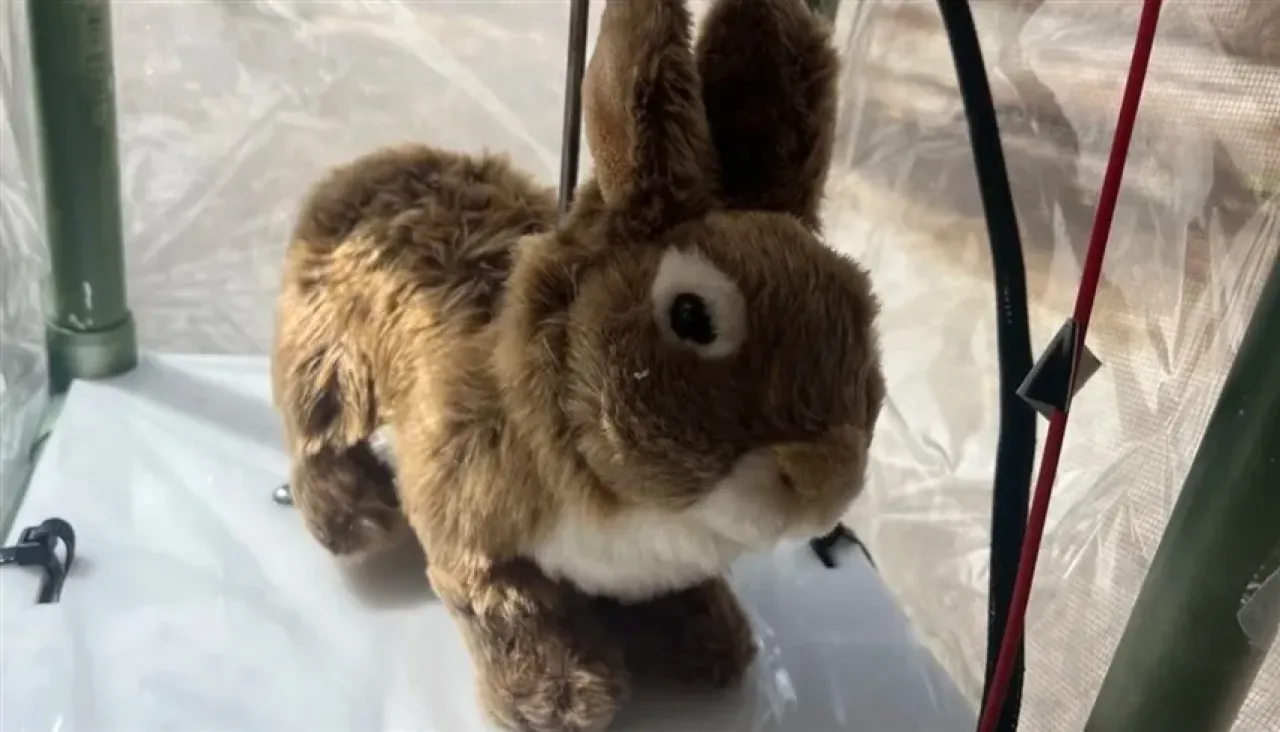
Khaberni - In an unconventional move to combat one of the most dangerous invasive species in the United States, the South Florida Water Management Authority has released robotic rabbits into the Everglades swamps, in an attempt to monitor and eradicate the Burmese pythons that have caused major damage to the wildlife.
The state hosts an annual event named "Florida Python Challenge", which is a periodic competition lasting ten days and attracts hundreds of hunters specialized in tracking these invasive reptiles, according to the "New York Post".
Solar-powered rabbits
The robotic rabbits, which are solar-powered and have cartoon-like features, are equipped with cameras bolstered by artificial intelligence to detect any approach of the pythons and send an immediate alert to the South Florida Water Management Area officials. Upon detecting the target, a specialized team is sent to remove the python from the location.
To enhance the effectiveness of the trick, the robots are designed to simulate the movement of a real rabbit, and are even equipped with mechanisms that mimic its thermal signature and scent, which are factors relied upon by the Burmese pythons during hunting.
Giant snakes threatening the ecosystem
The Burmese python, a non-native species in the United States, was first recorded in Florida in the 1990s. Since then, their numbers have significantly increased.
These pythons can reach a length of about 18 feet (over five meters), and are capable of swallowing a whole deer. Since the year 2000, more than 19,000 snakes have been removed from the Everglades area, according to data reported by "Fox Weather".
Widespread environmental damage
The Burmese pythons in Florida are subject to a legal exception that allows them to be killed throughout the year, with or without a hunting license, according to the Florida Fish and Wildlife Conservation Commission, except for adherence to the animal cruelty prevention law.
However, their impact on the ecosystem has been devastating, as according to a 2012 study by the United States Geological Survey, populations of animals such as raccoons and opossums, which are easy prey for these large reptiles, have declined to only between 1% and 2% of their former levels, reflecting the magnitude of the ecological disruption caused by their spread.