- The oil derivatives pricing committee relies on the government's policy of gradually reflecting global price rises for oil derivatives.
- The government aims to contain the effects of global price increases for oil derivatives to minimize their direct impact on citizens and economic sectors.
- The adjustment in the local selling prices for oil derivatives for April does not reflect the true costs of global prices.
- The government will gradually compensate the cost differences resulting from this decision until global prices stabilize.
- The government bore direct costs for energy and electricity during the first month of the regional crisis due to the regional events, amounting to about 150 million dinars so far.
- The increase in the local selling prices of oil derivatives has no impact on the tax revenue generated by the government; it only reflects part of the increase in global prices.
- The amount of support the government provided for diesel and kerosene exceeds the tax imposed on these products.
- The price of the domestic LPG cylinder (12.5 kg) has been set at 7 dinars, its previous price without any change, and it is subsidized by 2.4 dinars per cylinder for April despite the global rise in LPG prices.
- The price of kerosene is set at 550 fils per liter without any increase.
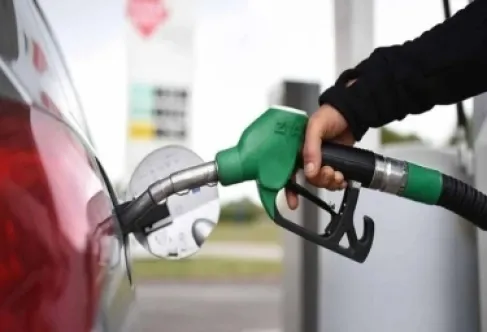
- The price of 90 octane gasoline has been adjusted to 910 fils per liter.
- The price of 95 octane gasoline has been adjusted to 1200 fils per liter.
- The price of diesel has been adjusted to 720 fils per liter.
- This increase in oil derivative prices has no effect on the tax revenue generated by the government, but rather reflects only a portion of the increase that occurred in global prices. Note that the government support for diesel and kerosene exceeds the tax imposed on these products.