Khaberni - The war on Iran caused a severe shortage in helium supplies essential for cooling artificial intelligence chips, threatening to disrupt global production chains.
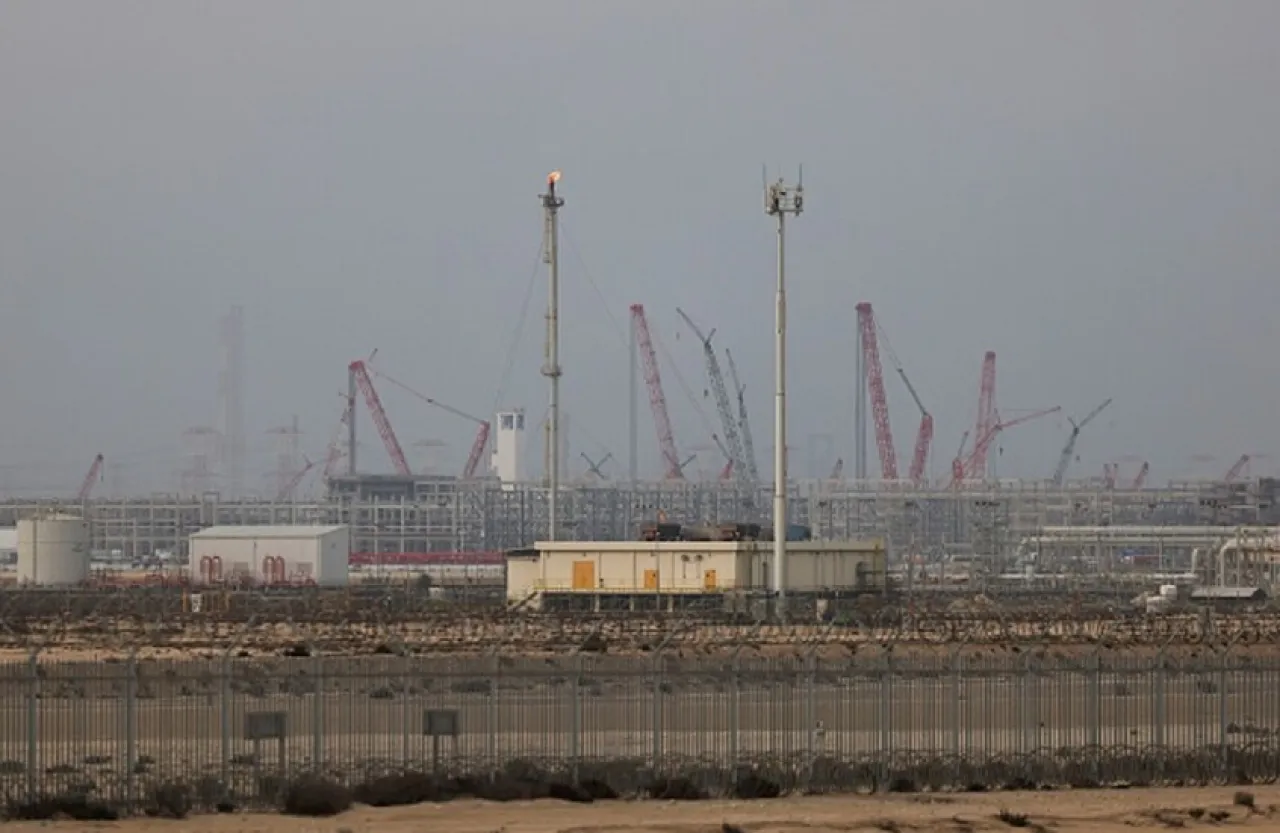
The most severe consequences are concentrated in the halt of Qatar's exports, which represent a third of the global helium supply, due to the closure of the Strait of Hormuz and damage to the "Ras Laffan" gas facility, which may reduce its export capacity by 14% for years.
This industrial paralysis threatens vital sectors that offer no substitutes: advanced silicon chip cooling, MRI machines, and space rocket systems are completely dependent on super-cooled liquid helium.
Market experts warn that delays in shipment arrivals could turn the shortage into a real disaster; hundreds of specialized containers, each worth about a million dollars, are currently stranded in the region, while the shelf life of liquid helium does not exceed 48 days before it evaporates and is lost.
With helium prices doubling in the spot market and major suppliers like "Airgas" declaring force majeure, chip companies in South Korea, Taiwan, and Germany have started reviewing their emergency stocks.
Cleve Keen, from "Pulsar" Helium Exploration, says: "This is the disaster we feared: a black swan event that determines who will get the precious particles and who will be left without them."
With no practical alternative to helium in critical industrial applications, it is expected that supply chains will prioritize chipmakers and the medical sector, while secondary industries - such as party balloons - will be the first victims.
However, even with these measures, the greatest risk remains the halt of global artificial intelligence production lines, which could delay technology and scientific projects for decades.
Meanwhile, the economic site marketscreener mentioned that despite this, the situation is not critical in terms of supplies as what is primarily affected are the prices due to increased risk. Bernstein estimates that the risk of disruption to the semiconductor sector remains low thanks to several shock-absorbing factors: large industrial stocks (up to 6 months), a high capacity for recycling (75%-90%), cave storage, and increased Russian production.