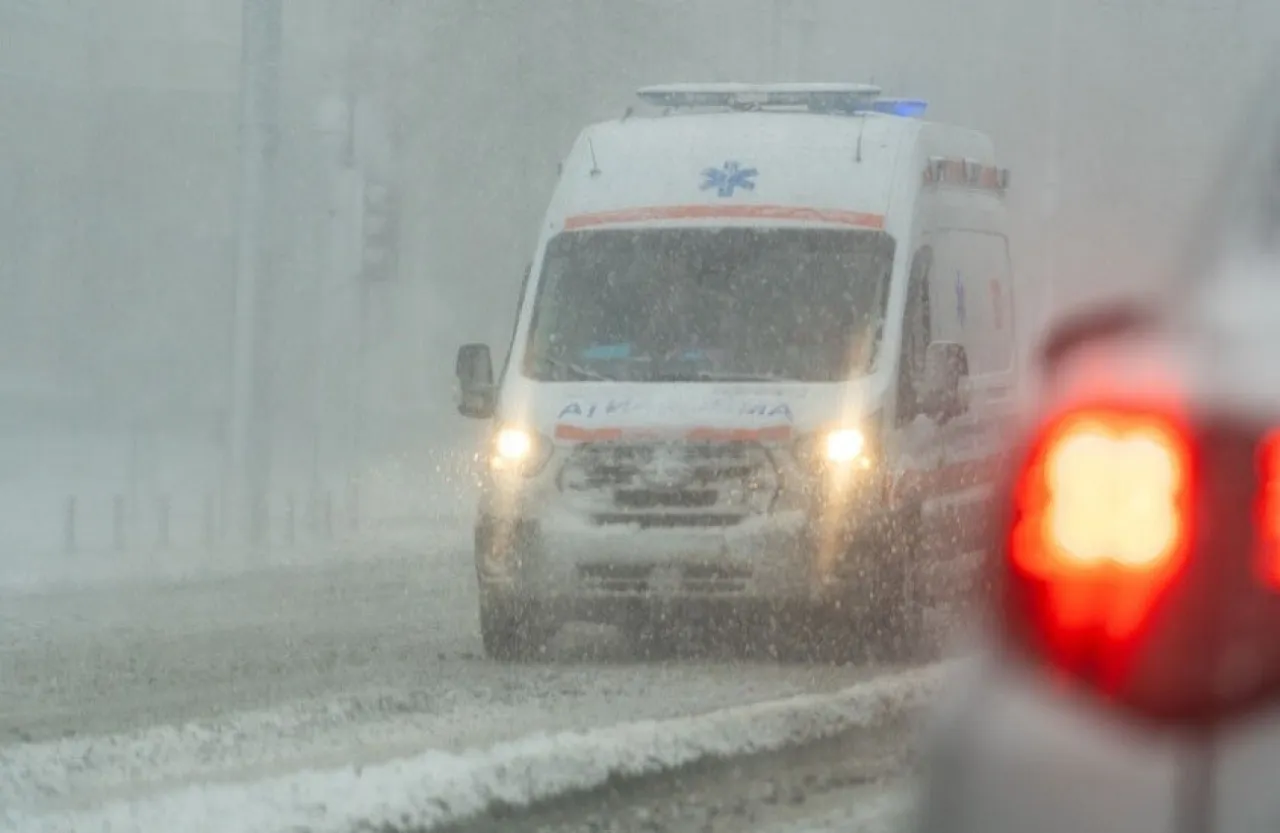
Khaberni - A study revealed that unusual cold waves lead to higher death rates associated with cardiovascular diseases, compared to severe heat waves.
Researchers in a study published in the American Journal of Preventive Cardiology, which specializes in preventive cardiology, reported that unusual cold weather causes more deaths related to cardiovascular diseases than extreme heat. These findings are scheduled to be presented during the annual scientific session of the American College of Cardiology.
The study was based on analyzing the average monthly temperatures and total cardiovascular-related deaths at 819 locations in the United States, covering about 80% of the population aged over 25, during the period from 2000 to 2020. The results showed that the lowest death rate was recorded at a temperature of 23 degrees Celsius, and the number of deaths increases as temperatures deviate from this level, whether higher or lower.
Based on this data, the researchers drew a curve illustrating the relationship between temperature and deaths, which appeared in the form of an asymmetrical U-shape, where both extreme cold and high heat were associated with increased deaths, but the impact of cold was more severe and clear.
During the study period, it was estimated that cold annually caused about 40,000 additional deaths due to cardiovascular diseases (equivalent to 6.3% of the total), reaching 800,000 deaths over two decades. In contrast, extreme heat was associated with about 2,000 additional deaths annually (0.33% of the total), which totals 40,000 deaths during the same period.
The effect of cold is attributed to a series of physiological responses in the human body, including inflammation and vasoconstriction, which increases the risk of cardiovascular diseases. Elderly people and patients with chronic diseases are most at risk, especially as their numbers increase in the United States.
In this context, the lead researcher Pedro Rafael Vieira de Oliveira Salerno said:
"We used to focus on the effects of climate change associated with heat, but climate change also includes severe cold waves. Therefore, protective measures should be taken not only against heat but also against cold."
Conclusion:
Despite the increasing focus on the risks of rising temperatures, the results indicate the necessity not to overlook the serious health effects of temperature decreases.