Khaberni - A new study revealed that people who stay up late at night may be more susceptible to traits associated with bipolar disorder.
Researchers found that individuals who are evening types (commonly known as "night owls") struggle more with controlling their emotions and exhibit behaviors similar to those seen in bipolar disorder at higher rates.
The new study, which included 2,031 adults in Italy, found that 22.8% considered themselves "night owls," while 22.2% were early risers (known as "morning larks"), whereas 55% of participants did not show a specific time preference.
The survey revealed that those categorized as "night owls" reported significantly higher levels of depression, anxiety, and irritability, as well as more mood swings. They also showed higher levels of emotional dysregulation (a term referring to a person's ability to manage the intensity of their emotions) compared to "morning larks" and those who did not show a specific time preference.
The researchers stated: "Our findings strongly support the link between evening type and emotional moods associated with susceptibility to bipolar disorder. Individuals with late sleep-wake rhythms are more likely to experience emotional dysregulation and subclinical traits of bipolar disorder, even in the general population."
The study also found that "night owls" scored higher in surveys associated with bipolar-like symptoms, meaning they show more signs related to this disorder than others.
Smoking was associated with higher traits similar to bipolar disorder, while good sleep quality played a protective role, as it was linked with lower levels of these tendencies.
Professor Andrea Fiorillo, president of the European Psychiatric Association, commented: "These results highlight the importance of the timing pattern when assessing mood symptoms and emotional regulation difficulties. Considering sleep and wake preferences alongside standard clinical evaluation may help doctors better determine risks and tailor the follow-up plan accordingly."
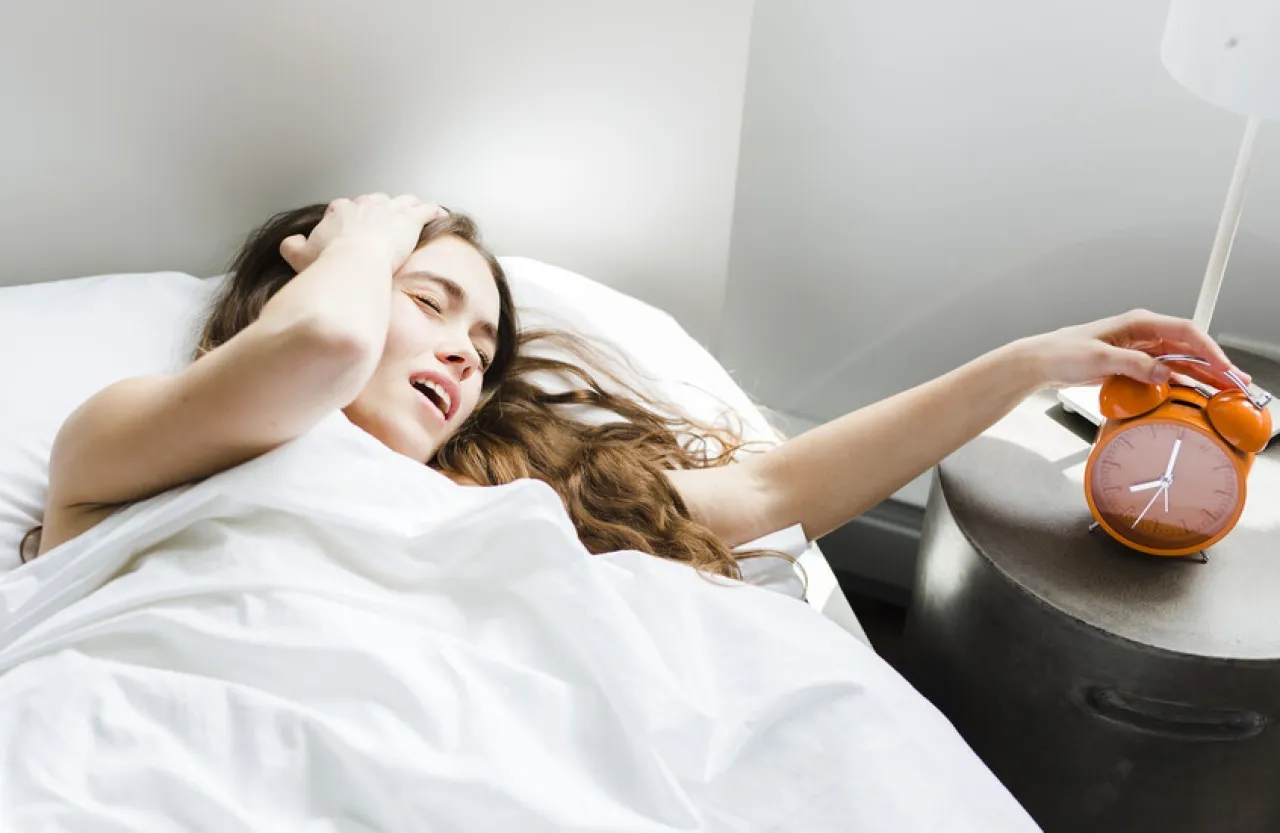
"Night owls" often need multiple alarms in the morning to wake themselves up, while "morning larks" wake up in one go, sometimes without the need for an alarm. Many of them also go to the gym before work in the morning and feel more productive with the sunrise.
On the other hand, "night owls" enjoy having a cup of coffee at night or starting tasks late in the evening when most people are relaxing and preparing to sleep.