Khaberni - Fuel theft incidents dominate the scene in Australia, coinciding with record high prices, as the price of diesel has exceeded $3 per liter in some areas.
About 200 fuel stations across Australia have run out of stock.
In New South Wales, the theft of 1300 liters of diesel is being investigated.
Australian cities are facing a sudden emergence of "manual" fuel siphoning crimes from tanks of parked cars, a criminal method described by victims as reminiscent of the 1980s.
Professional fuel tank emptying
Residents of Kyneton, located 86 kilometers northwest of Melbourne, woke up on the morning of Saturday, March 21, 2026, to find their parked street cars completely emptied of fuel.
It was not an isolated incident; rather, an organized series of events targeting multiple vehicles along Wedge and Powlett Streets, from 5 PM on March 20 to 8 AM the following day.
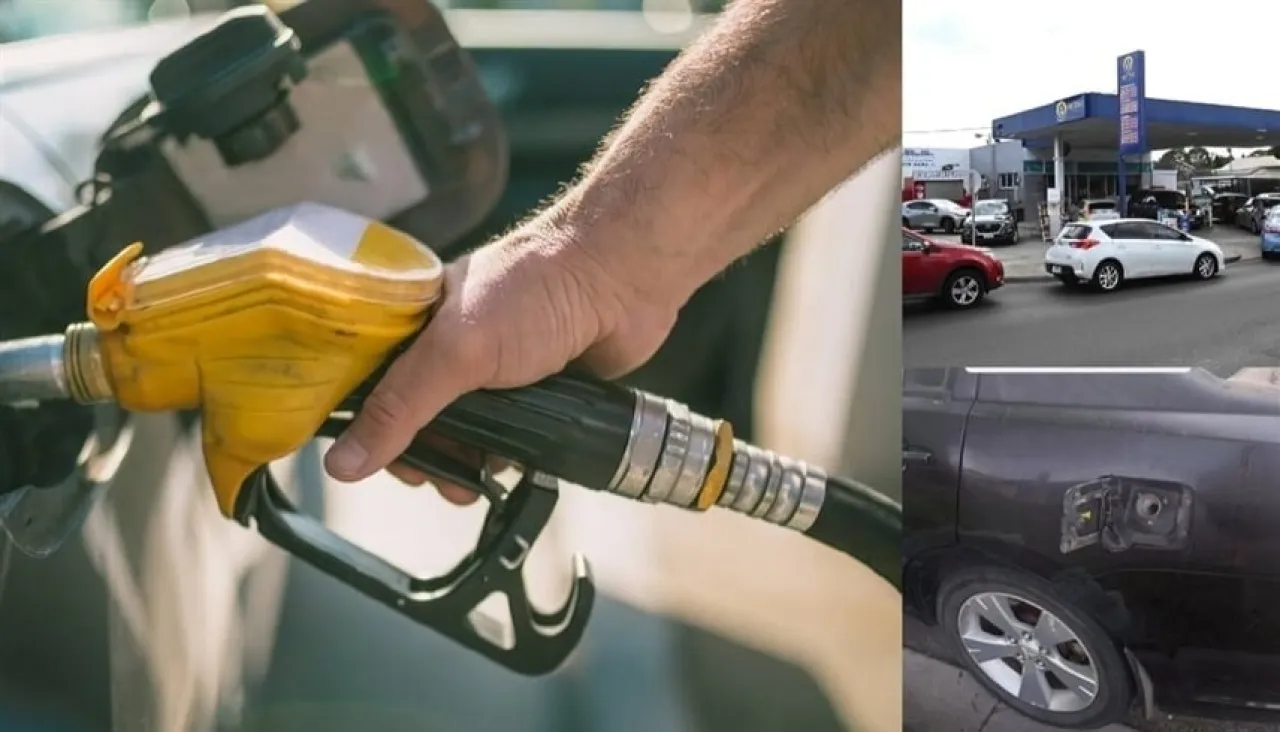
Circulated social media images revealed forcibly opened fuel tank doors, using tools like claws and nail sweepers to bypass internal locking mechanisms, before hoses were inserted and tanks emptied.
Victoria Police confirmed an investigation into the incidents and urged drivers to secure their vehicles and fuel station owners to immediately report any theft, according to "Daily Mail".
When fuel turns into liquid gold
These incidents cannot be separated from their broader context, since the American-Israeli bombing of Iran on February 28, 2026, the Strait of Hormuz, through which about 20% of the world's oil supplies pass, was closed, causing fuel prices in Australia to sharply rise.
The current average price of 91 octane gasoline is $2.48 per liter according to "Fuel Radar", while diesel has exceeded $3 in some areas.
In response, Energy Minister Chris Bowen informed the parliament that about 200 fuel stations across Australia have run out of stock, including 37 stations in New South Wales out of 2444, 47 without diesel, and 32 without regular gasoline in Queensland, in addition to 109 stations emptied in Victoria last week.
However, Bowen insisted that there is no "official crisis," but he urged Australians to work from home to reduce demand, according to "Reuters".
Cracks in the security system
Responses from Australian security agencies vary, revealing the depth of the crisis. In South Australia, Police Commissioner Grant Stevens hinted at the possibility of ceasing investigations into "drive-off" incidents at fuel stations unless the stations adopt a pre-payment system, based on statistics revealing 221 fuel theft crimes in the week ending March 15, with an increase of 59 cases over the previous week, including 97 cases involving first-time offenders.
However, industry groups have rejected the idea, noting that the cost of installing a pre-payment system on each pump would ultimately be borne by the consumer, according to "The Guardian".
In contrast, the Police Commissioner in Western Australia, Cole Blanch, announced his expectations for a rise in theft incidents, attributing this to "anxiety and fear of the unknown," but he noted that the thief only steals from someone who is undergoing the same pressures, describing this act as not leading to a better outcome for any party.
In New South Wales, the theft of 800 liters of diesel from a farm in Huntly and 500 liters from a grain storage facility in Ningan is being investigated.
Investigators have urged farmers to install surveillance cameras and secure fuel pumps with locks and accurately record their consumption.
"As if we have returned to the eighties"
The social interaction meets the psychological aspect of the crisis, as many Australians described the fuel theft crime as "nostalgic" and reminding them of bad memories from more than two decades ago, with one saying: "We feel like we're back in the eighties again".
Another described the scene as "the bottom of the abyss," while a third questioned: "Why do I feel like I am living in a parallel universe?" Notably, some pointed out a striking contradiction, as the government says there is no crisis, yet stations are emptied, and car tanks are stolen overnight.
In the end, what these incidents reveal is not just the rise in fuel prices, but a gap between the official narrative and the societal reality, when high prices push people, some of whom are ordinary and many without criminal records, to commit robbery crimes for the first time in their lives, indicating a social pressure that exceeds the threshold of endurance.