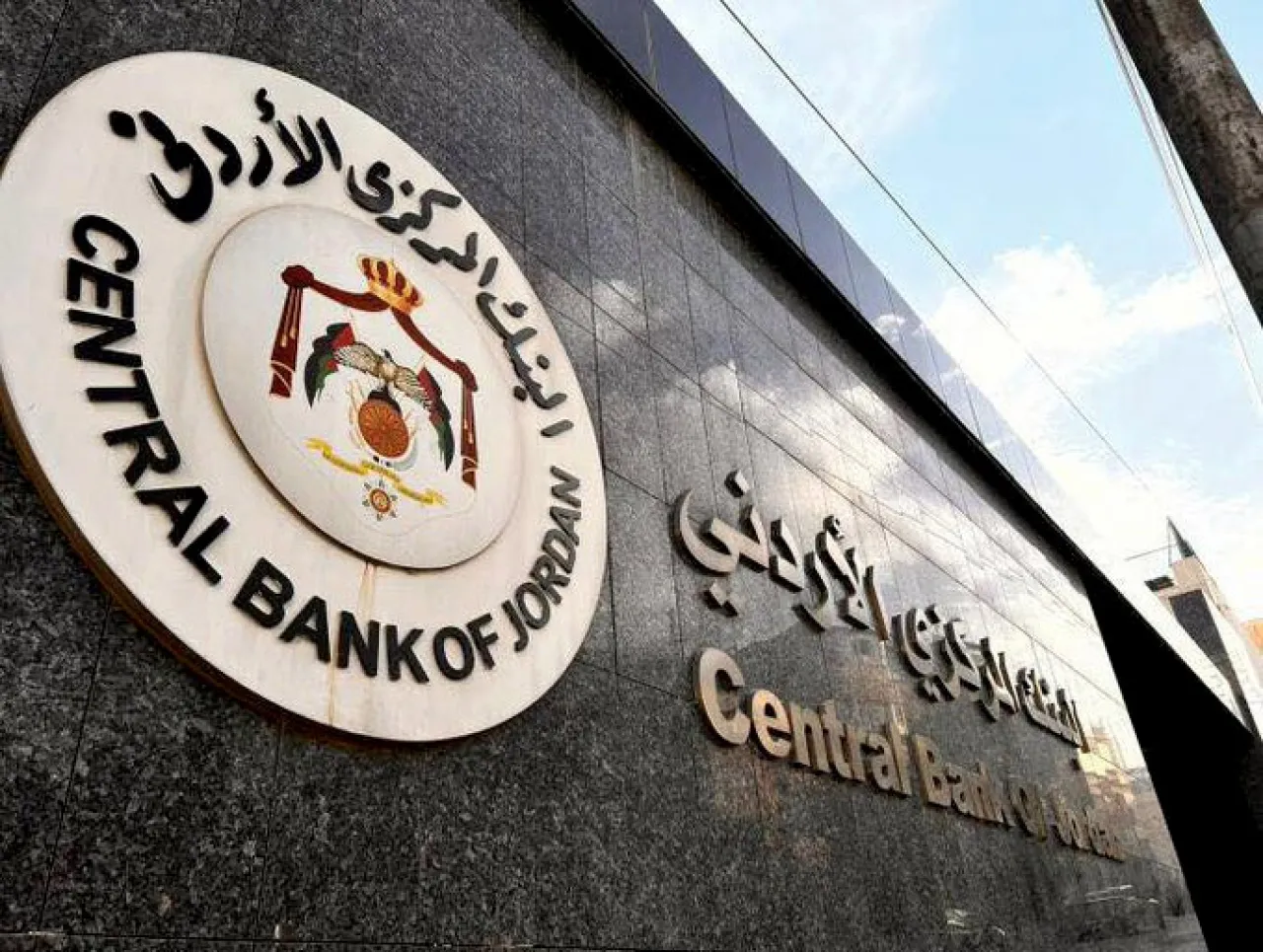
Khaberni - The Open Market Operations Committee of the Jordanian Central Bank held its second meeting for the year 2026, where it decided to maintain the “Central Bank's key interest rate” at its current level of 5.75%, and to also keep the rest of the interest rates on monetary policy instruments at their current levels unchanged. This decision is within the framework of the Jordanian Central Bank's commitment to maintaining monetary stability, contributing to enhancing banking and financial stability in the Kingdom, safeguarding the attractiveness of the Jordanian dinar, and ensuring appropriate alignment between the structure of local interest rates and their counterparts in regional and global financial markets.
The Committee confirms its continued diligent monitoring of developments in the regional and global economic environment, especially amid the current rising uncertainties and their possible repercussions on the national economy. The Committee expresses its confidence in the resilience of the national economy and the ability of economic policies to flexibly manage various developments, while also confirming the readiness of the Jordanian Central Bank to take appropriate measures, at the right time, to maintain monetary, banking, and financial stability in the Kingdom as reflected by available indicators. The Central Bank's foreign currency reserves amounted to about $28.2 billion at the end of February 2026, a level that covers the Kingdom's imports of goods and services for approximately 9.9 months, thus providing a comfortable safety margin against external shocks. At the same time, the dollarization ratio decreased to 17.7% during January 2026, reflecting confidence in the Jordanian dinar, and supporting the effectiveness of monetary policy in enhancing monetary and financial stability. Moreover, the inflation rate remained at moderate levels, reaching 1.11% during the first two months of 2026, a level that supports the competitiveness of the national economy, and provides a suitable margin to deal with any potential rise in global prices.
The financial indicators also confirm the strength of the Jordanian banking system and its robust performance, as results of the periodic stress tests conducted by the Jordanian Central Bank indicate the banks' ability to continue operating efficiently under various conditions while maintaining comfortable levels of capital adequacy, liquidity, and profitability.
According to the latest available economic data, tourism income rose by 7.6% during 2025 to approximately $7.8 billion, and amounted to about $1.2 billion during the first two months of the current year. Also, remittances from Jordanian workers abroad increased by 4.5% in 2025 to about $4.5 billion, continuing to perform positively during January of the current year, where they increased by 11.9% to about $373.6 million. In addition, total exports grew by 10.1% during 2025 to about $14.9 billion. Moreover, net inflows of direct foreign investment into the Kingdom increased by 27.7% during the first three quarters of 2025 compared with the same period of 2024, reaching about $1.5 billion.
In 2025, the national economy continued to achieve gradual improvement in its performance, as the economic growth rate rose from 2.56% in 2024 to about 2.75% during the first three quarters of 2025, and it is expected that the economy will maintain this level of growth throughout 2025 as a whole, reflecting the robustness of the Jordanian economy and its capacity to maintain a stable growth path amidst the current regional and global challenges.