Khaberni - Experts at Samara State Medical University, affiliated with the Russian Ministry of Health, have developed integrated digital assistants based on artificial intelligence technologies.
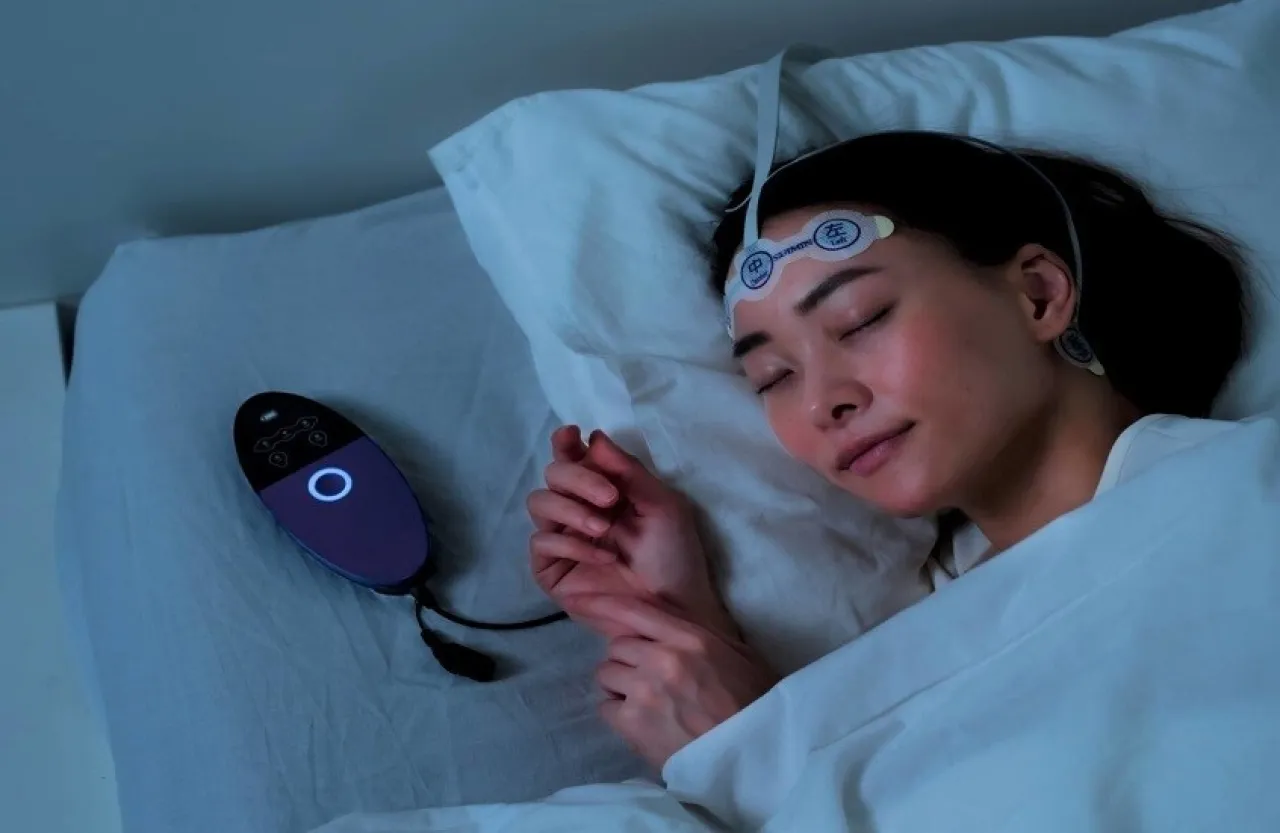
These smart assistants enable the assessment of sleep architecture using electroencephalography, in addition to detecting respiratory disorders including apnea, hypopnea, and snoring, according to the university's press service.
A statement from the press service quoted the director of the Neurosciences Research Institute at the university, Alexander Zakharov, saying that the technologies are targeted at sleep doctors, neurologists, and functional diagnostics specialists, as well as sleep labs and research teams. He explained that the comprehensive and multifunctional approach forms a technical basis for extended sleep quality monitoring, from speeding up the analysis of studies and diagnosing sleep disorders, to monitoring the effectiveness of treatments and supporting scientific research. He added that this approach paves the way for the transition from fragmented interpretations to a unified, objective, and reproducible digital system in sleep analysis.
According to the statement, the first model is a software unit for automatic detection of respiratory disorders based on audio recordings, through spectral chart analysis. The program prepares standardized reports including key quality indicators, helping doctors quickly assess the nature of the disorders and contributes to automating the initial analysis and reducing routine burdens on specialists.
The second model is designed for automatic sleep chart data analysis and sleep stage classification via electroencephalography. This system relies on a deep learning model that processes brain signals and classifies every 30-second recording into the appropriate sleep stage, thereby emulating the methodology of a doctor who views sleep as a continuous process, not as a set of separate clips.
One of the key advantages of this development is the potential for retraining the smart assistant on specific data from a clinic or research group, allowing the algorithms to be tailored according to the patient characteristics and recording systems, thus enhancing the accuracy of the results.
The statement emphasized that it is expected in the future to employ these technologies in sleep medicine centers and remote medical consultation services, contributing to easier access to sleep disorder diagnoses and improving their quality.