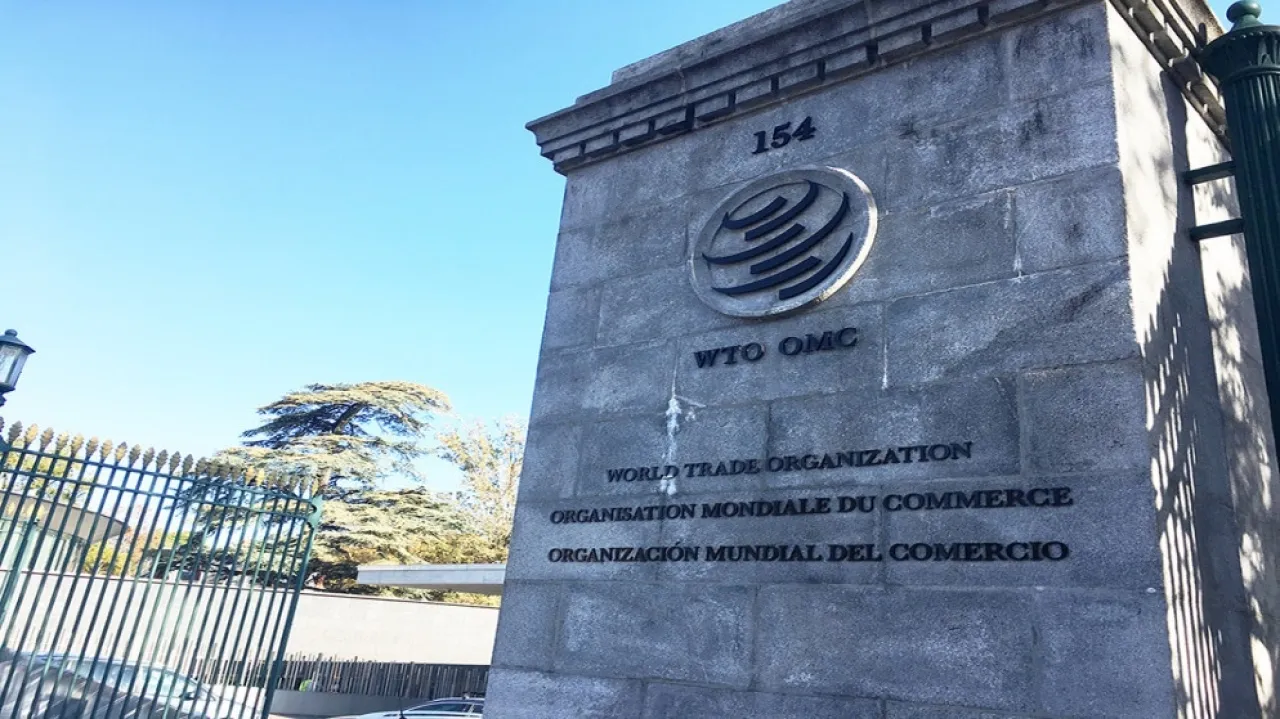
Khaberni - Members of the World Trade Organization are looking towards the Fourteenth Ministerial Conference (MC14) in Yaoundé, Cameroon next week, amid differing positions regarding the future of the e-commerce work program, particularly the issue of continuing to not impose customs duties on electronic transmissions.
A number of documents presented by member countries reflect various approaches to this file, with Brazil stressing in its proposal that the work program sessions "provided an important forum for exchanging views, sharing experiences and best practices, and identifying the needs and challenges faced by developing and least developed countries," highlighting that "the digital divide still exists within and between countries".
Brazil confirmed "the need for additional empirical analysis on the impact of suspending tariffs on the available space for industrial policies, innovation systems, and the development of local digital and creative sectors, as well as on tax revenues, and on consumers and businesses in developing and least developed countries", calling for the continuation of work on the e-commerce program with a focus on the developmental dimension.
On the other hand, a document submitted by several countries, including the United States and others, indicated that "the practice of not imposing customs duties on electronic transmissions has played an important role in developing the digital economy and enhances stability and predictability in the trade system for the benefit of members from developed, developing and least developed countries".
In related context, a group of countries called for the establishment of a permanent institutional framework within the organization, where one of the documents emphasized "the need for an official committee in the World Trade Organization with an updated and forward-looking mandate to examine and follow up on considerations related to digital trade policies", to be "a multilateral forum for dialogue, cooperation, and transparency regarding policy issues related to global digital trade, including artificial intelligence and emerging digital technologies".
The digital divide emerges as one of the main themes in the discussions, as one of the documents points out that "5.5 billion users have access to the Internet, while still 2.6 billion people are offline", while developing countries emphasize the need for greater support to develop digital infrastructure and capacity building.
The documents also addressed the issue of taxes on digital services, explaining that "a mix of advanced and developing countries have introduced legislation to impose non-discriminatory domestic value-added tax on e-commerce and digital trade", amid the continued suspension of customs duties on electronic transmissions.
Regarding digital infrastructure, the documents referred to that "payments directed towards information and communications technology infrastructure accounted for 60% of total payments allocated for digital connectivity", with proposals to enhance financing and training, and capacity building in developing countries.
The documents affirmed that digital transformation transcends the concept of traditional e-commerce, explaining that "the digitization of the economy goes beyond e-commerce and requires discussion of issues related to security, competition, regulation, and technical standards".
This comes at a time when member countries are seeking to reach a consensus on the future of digital trade regulation, amid ongoing discussions on achieving a balance between promoting economic growth and ensuring fair distribution of the benefits of the digital economy among various countries.