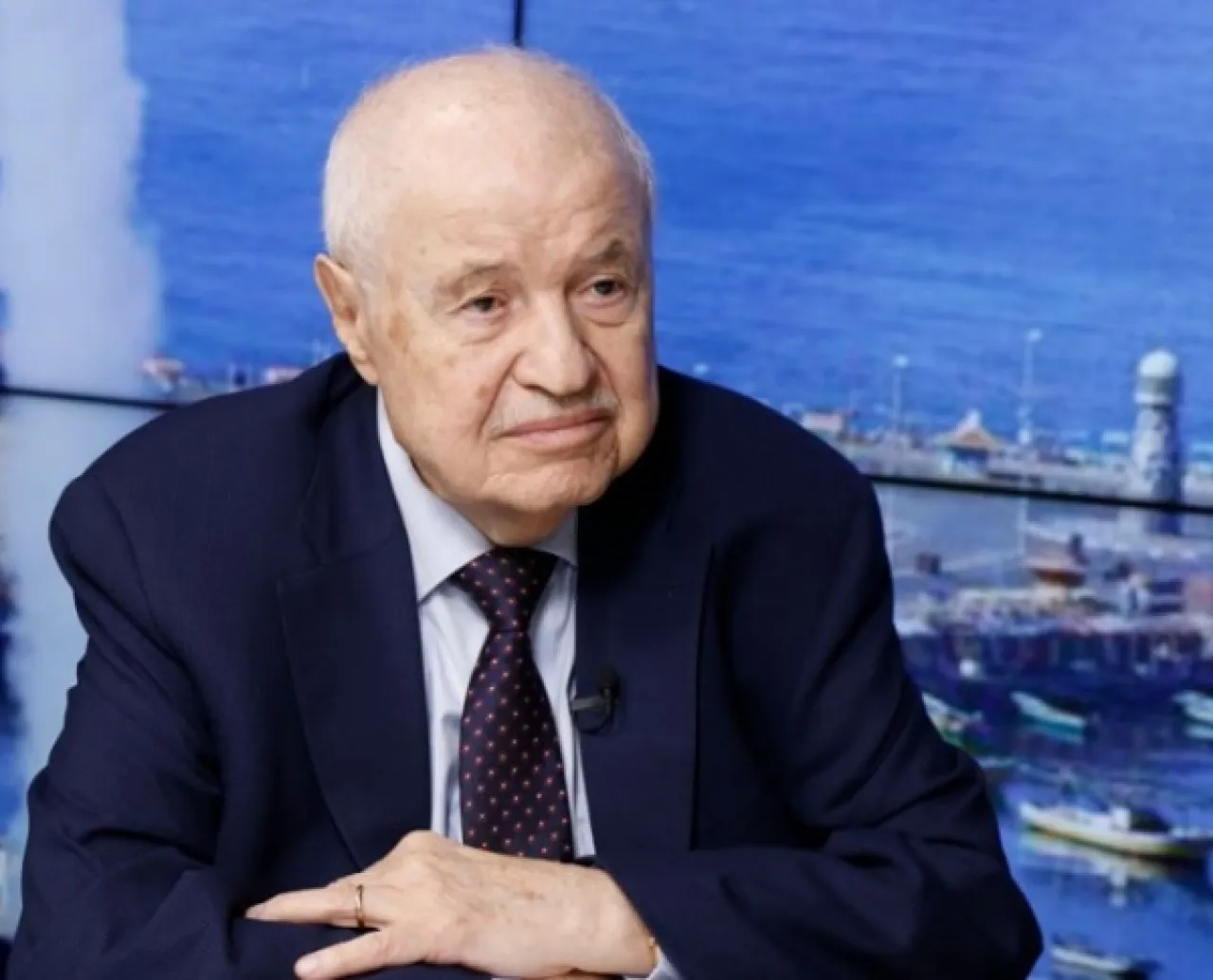
Khaberni - Businessman Dr. Talal Abu Ghazaleh provided a second analytical reading of the war's developments in its current stage, considering that what is happening transcends a mere transient confrontation, to become part of an extended and multilateral conflict among global and regional powers.
Abu Ghazaleh explained that the current scene reflects a model of a long-term war, interspersed with negotiating rounds without reaching a final settlement, likely to continue for periods that may exceed a full year, in the absence of indicators for an imminent resolution.
He pointed out that expanding the scope of mutual strikes and introducing new dimensions to the confrontation will not lead to decisive results, but will keep the conflict open to the possibilities of expansion and multiple battlefields.
In regards to the positions of the major powers, he noted that countries like China and Russia, despite their close relations with Iran, are not expected to engage militarily directly, which supports the theory of the conflict continuing within controlled limits without a full-scale explosion in the current phase.
Abu Ghazaleh warned that the next phase will be more complex and difficult, noting that the next battle (after Europe and our region) is likely to be in the South China Sea leading to the peak of World War III.
He clarified that focusing only on military outcomes does not reflect the complete picture, affirming that economic and social repercussions, including attrition, recession, and declining growth, will be decisive in determining the balance of powers and the shape of the new global system.
He concluded by pointing out that the scene is still open to several scenarios, which calls for continuous analytical readings to keep up with the rapid transformations.