Khaberni - Over more than half a century, oil prices have soared to record levels at multiple points for various reasons, but the common denominator among them has been the disruption of supplies or escalating risks in oil-producing and exporting regions as a result of conflicts and wars.
Oil prices are closely linked to the global economic situation, as rising oil prices lead to higher transportation and production costs, especially in energy-intensive industrial sectors, in addition to the direct cost that consumers bear to buy fuel. This means that rising oil leads to a global wave of inflation, which causes political pressures, as well as economic crises.
1- Nationalization of the Suez Canal – 1956
In 1956, Egypt nationalized the Suez Canal, which serves as a vital artery for oil supplies to Europe, followed by the Tripartite Aggression by Britain, France, and Israel aimed at taking control of the canal, which they failed to achieve.
The war forced oil tankers headed for Europe to avoid passing through the canal and to take a lengthy sea route via the Cape of Good Hope in South Africa, which increased shipping costs.
The Tripartite Aggression led to an increase in the price of oil from $2.8 to $3.30 per barrel, highlighting the impact of wars and conflicts in the Middle East on oil prices.
2- Arab Oil Embargo – 1973
The Organization of Petroleum Exporting Countries (OPEC), under pressure from Arab countries, imposed an embargo on oil exports to the United States and Western Europe in response to their support for Israel during the October 1973 war with Egypt and Syria.
The embargo led to an increase in the price of a barrel of oil from $3 before the war to $12 by March/April 1974, which led to a global recession. The United States also imposed a ban on the export of its crude oil production.
The decision by OPEC, established in 1960 to counter the monopoly of major oil companies, revealed its capacity to influence the markets and consequently the global economy.
3- Islamic Revolution in Iran – 1979
The outbreak of the Islamic Revolution in Iran led by Ruhollah Khomeini, and the fall of the Shah Mohammed Reza Pahlavi's regime, which was allied with the United States, led Tehran to reduce its oil production and cancel contracts with American oil companies.
The result was a rise in oil prices from $14 per barrel before the revolution in Iran to about $39, nearly triple what it had been before the fall of the Shah's regime.
4- Iraq-Iran War – 1980
The war between Iraq and Iran (1980-1988), both major oil producers, led to a decrease in oil supply in the markets, especially with the decline in Iraq's production and targeting of oil tankers from both sides.
Oil prices rose from $30 to $39 per barrel until the mid-1980s. At the same time, other countries outside the Middle East managed to increase their production to compensate for the shortage in oil supplies, which prevented higher price hikes.
Among the most notable of these countries were Venezuela, Nigeria, Mexico, Britain, through North Sea oil, and the Soviet Union at that time.
5- Invasion of Kuwait – 1990
In the mid-1980s, the oil markets experienced a surplus in supply, especially with Saudi Arabia increasing its production in 1986 to increase its market share, and the price of oil reached about $12 per barrel at that time.
However, Iraq invaded Kuwait in August 1990, which raised the price of oil to $36 per barrel the following month, then to $41 per barrel in 1991.
After the liberation of Kuwait by coalition forces in early 1991, the price of oil fell to between $15 and $25 in the succeeding six years.
6- Chinese Demand Surge - 2001 to 2008
The rapid growth in China's economy from 2011 to 2008 led to a significant increase in demand for oil, at a time when the global supply did not sufficiently rise.
With continued demand for oil from China, and other countries in Asia such as India, prices rose to reach $147 per barrel in 2008.
However, the global financial crisis in 2008 led to the collapse of several institutions in the United States and Europe, losing billions of dollars, and a downturn in global demand for oil, which led to a decrease in its price to $36 per barrel in December 2008.
7- Arab Spring and Supply Disruptions in Libya -2011
Oil markets were affected by developments resulting from the Arab Spring events in 2011, experienced by a group of countries in the region, including Libya.
The reduction in Libyan oil supplies led to an increase in the price per barrel from $90 to about $120.
8- Western Sanctions on Iran -2012
Western countries imposed a set of sanctions on Iran over its nuclear program, including a ban on purchasing Iranian oil.
These sanctions came at a time when the global economy was recovering from the financial crisis, and the demand for oil increased, leading to a rise in its prices from $80 to $115 per barrel.
9- War between Russia and Ukraine – 2022
After the outbreak of the Russian-Ukrainian war in 2022, Western countries imposed sanctions on Moscow, including restrictions on buying Russian oil and gas, at a time when the European Union was seeking to reduce its dependence on energy imports from Russia.
Western sanctions on Russia, one of the largest oil exporters, led to an increase in its price from $78 to more than $110 per barrel, then later rose to about $139 per barrel, the largest increase in oil prices since 2008.
10- American-Israeli War on Iran – 2026
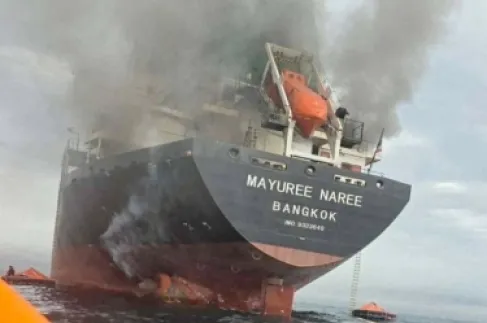
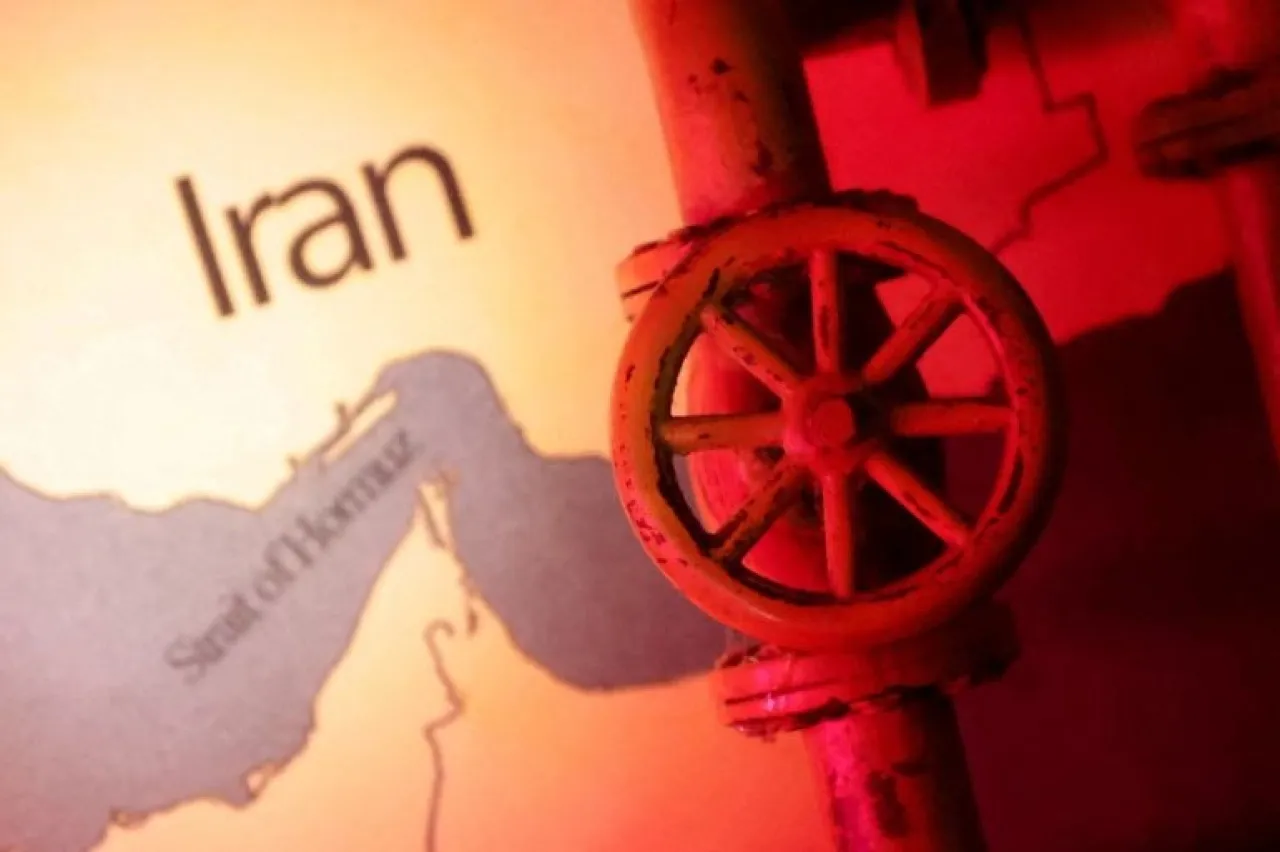
The American-Israeli war on Iran led to an almost complete halt to traffic in the Strait of Hormuz, through which about 20% of the global oil supplies pass.
Saudi Arabia, Kuwait, Iraq, and the UAE announced a reduction in their oil production by about 6.7 million barrels per day, according to Bloomberg.
The shortage of oil in the markets led to an increase in its price to nearly $120 per barrel last Monday, before it decreased following statements by US President Donald Trump that the war was nearly over.
Predictions for Oil Prices
Regarding expectations of what the price of oil could reach due to the war on Iran, oil expert Mamdouh Salameh said in an interview with Al Jazeera Net that the price of Brent crude could reach $150 per barrel or more if the war lasts for weeks.
Salameh added that the global demand for oil is very strong, and if the war stops and the Strait of Hormuz is opened, the prices that rose on Monday to about $120 per barrel of Brent crude will decrease, but the prices will remain around $70 to $80 per barrel until the end of 2026.
Salameh explained that the Gulf countries, which reduced their oil production, need weeks to restore production to what it was, meaning the shortage of oil in the markets will continue for a period even if the war stops.
Salameh noted that insurance companies do not seem confident in the US president's ability to provide protection for ships passing through the Strait of Hormuz, explaining that opening or closing it remains under Iran's control.