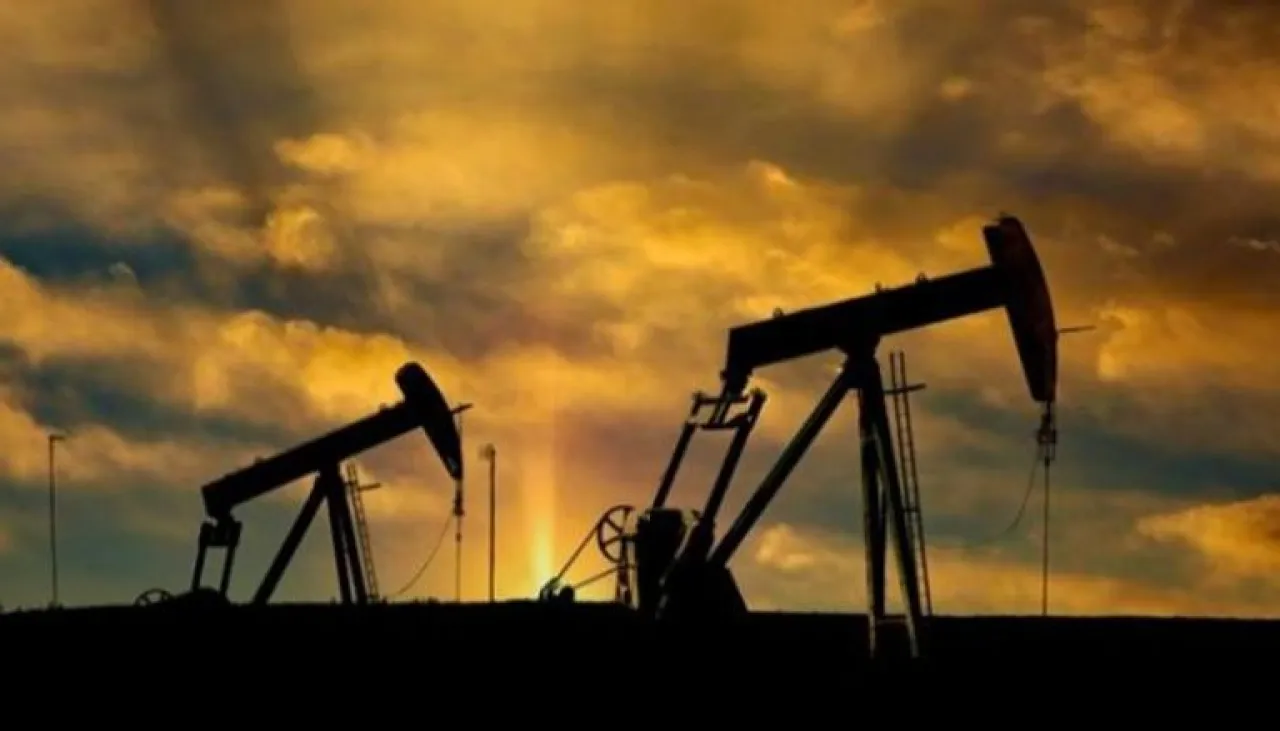
Khaberni - Oil prices are set to continue rising at the start of trading on Monday with the entry into the third week of the US-Israeli war on Iran, and with the oil infrastructure exposed to danger and the Strait of Hormuz remaining closed in the largest disruption ever to oil supplies.
The International Energy Agency said on Sunday that more than 400 million barrels of oil reserves will begin to flow into the market soon, in a historic withdrawal process aimed at countering the price rise resulting from the Middle East war.
The agency explained that stocks from Asia and Oceania will be immediately available, while stocks from Europe and the Americas will be available by the end of March.
Brent and West Texas Intermediate American crude have risen more than 40% since the beginning of March, recording the highest levels since 2022, after American-Israeli attacks on Iran led to the halting of maritime shipping through the Strait of Hormuz, which carries about 20% of the world's oil supplies.
Trump urged allies to deploy warships to secure this strategic passage.
President Donald Trump threatened more strikes on Khark Island, a central hub for oil exports, prompting Tehran to show defiance by vowing to intensify its response.
The United States bombed military targets on Khark Island on Saturday.
Natasha Kaneva, an analyst at J.P. Morgan said, "This represents an escalation in the conflict."
The International Energy Agency stated that global oil supplies are expected to decrease by 8 million barrels per day in March due to the disruption of maritime shipping.
US Energy Secretary Chris Wright said on Sunday that he expects the war with Iran to end within "the next few weeks." He added that oil supplies would recover and energy prices would subsequently decrease.