Khaberni - The Board of Directors of the European Bank for Reconstruction and Development agreed to provide a loan worth $475 million to the National Carrier Project company (Meridiam and Suez coalition), to finance part of the desalination and water transport project from Aqaba to Amman and the governorates, which has a total cost of $6 billion.
According to bank data, the project is expected to benefit from additional concessional financing, arranged by the bank through the High Impact Partnership Action for Climate (HIPCA) multi-donor fund, with contributions from Canada amounting to $30 million, and from Finland worth up to 7 million euros.
The project aims to provide long-term solutions for the severe water scarcity crisis in Jordan, by providing 300 million cubic meters of drinking water annually, covering about 40% of Jordan’s water needs starting from the year 2030.
The financing targets supporting the construction of extensive water supply infrastructure in Jordan, within the Design, Build, Finance, Maintain, Operate, and Transfer (DBFMOT) model, as part of a partnership between the public and private sectors, and pursuant to a 30-year concession agreement with the Ministry of Water and Irrigation.
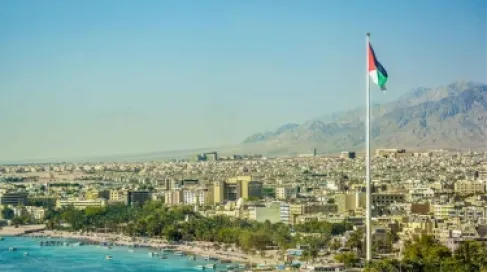
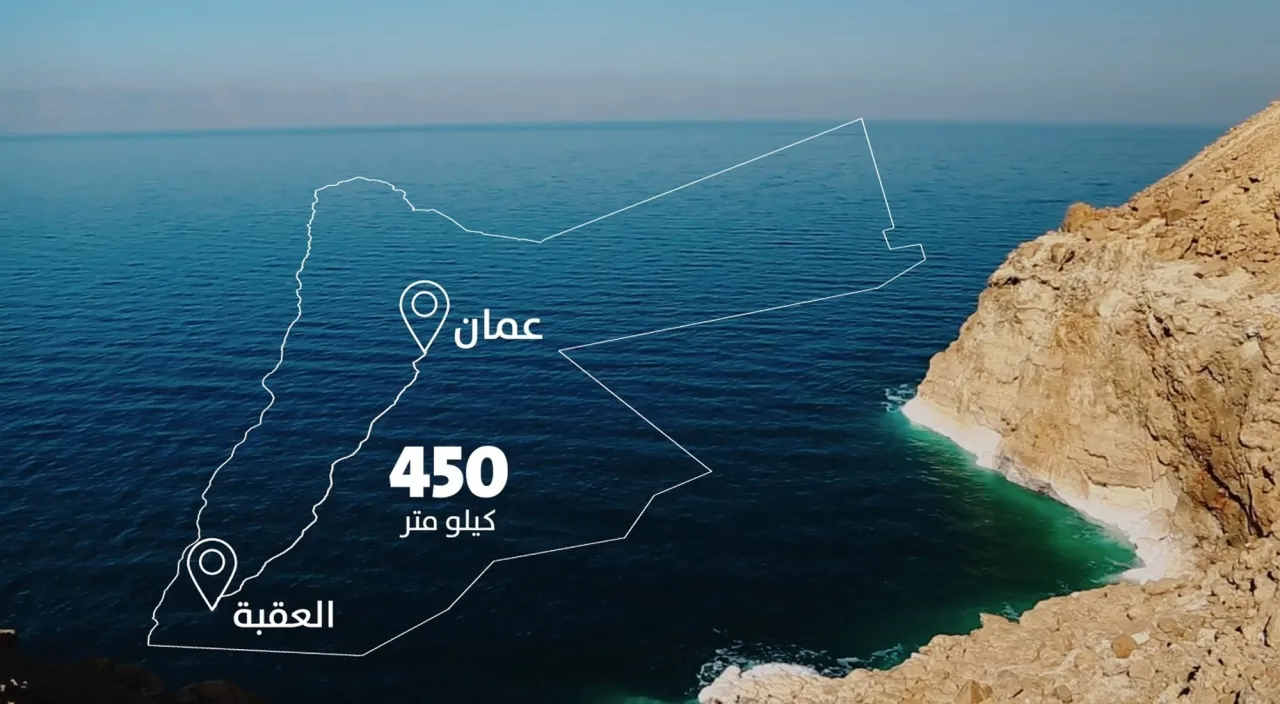
The project consists of a desalination plant in Aqaba with a capacity of 300 million cubic meters per year, a 438-kilometer water conveyance system to pump desalinated water from Aqaba to Amman and the governorates, and a renewable energy system through a solar plant with a capacity of 281 megawatts.
The project aims to alleviate the pressure on depleted groundwater resources, support the recovery of water basins, and enhance the water sector's resilience to climate change and population growth.
The project is classified as a national priority due to its importance in providing a long-term, reliable and sustainable water solution, and addressing water shortages for domestic uses and supporting economic development.
The environmental and social impact assessment led to a fundamental design change in the project’s water withdrawal method, adopting a solution to draw water from an inland lagoon created inside instead of from the open sea, with the aim of reducing construction impacts such as dredging on coral reefs, seagrasses, and seawater quality.