Khaberni - As Ramadan approaches its midpoint, many fasting individuals begin to feel that their bodies have adjusted to the daily fasting routine.
However, Mona El-Badri, a consultant in gastroenterology at the Egyptian Ministry of Health, emphasizes that the midpoint of the month is the ideal time to conduct some routine medical tests to ensure that fasting is not negatively affecting health, and that the body is capable of safely continuing the month.
El-Badri points out in her statements to some medical studies supporting the advice to conduct certain tests that reveal levels of energy, sugar, salts, and cholesterol, all of which are essential factors for maintaining daily performance and a healthy body.
The recommended tests include:
First: Blood sugar level test
The blood sugar test is one of the most important tests after two weeks of fasting, especially for those with a medical history of diabetes or unstable sugar levels.
A study titled "The effect of Ramadan fasting on glucose balance and metabolic indicators," published in the "Nutrition Journal," shows that most healthy individuals maintain sugar levels within the normal range, but those more susceptible should monitor their levels to ensure no sudden decrease or increase after breaking the fast.
Second: Lipid and cholesterol test
Fasting may alter the levels of lipids and cholesterol in the blood. Therefore, it is advisable to conduct a test for triglycerides and good and bad cholesterol to ensure that the diet followed does not raise harmful lipid levels.
This requirement is supported by a study titled "Changes in lipid profile during Ramadan fasting," published in the "Journal of Clinical Lipidology," which found that good cholesterol often rises slightly, while bad cholesterol can increase if fatty foods are excessively consumed after breaking the fast.
Third: Liver function test
The liver is responsible for storing energy and regulating sugar and fats, so it is advisable to conduct a liver function test after the midpoint of Ramadan, especially for those who have liver issues or are on regular medications, as confirmed by a study titled "The effect of Ramadan fasting on liver functions," published in "Hepatology International."
The study showed that moderate fasting generally does not harm liver functions, but monitoring enzymes is important for those more at risk.
Fourth: Salts and minerals analysis
With long fasting hours and abstaining from drinking water throughout the day, an imbalance in essential salts and minerals such as sodium, potassium, and magnesium can occur.
A study titled "The effect of Ramadan fasting on hydration and salt balance," published in the "Journal of Nutritional Science," explains that most healthy individuals generally maintain mineral balance, but those who engage in intense physical activity or live in hot regions should perform these analyses to monitor hydration and salt levels.
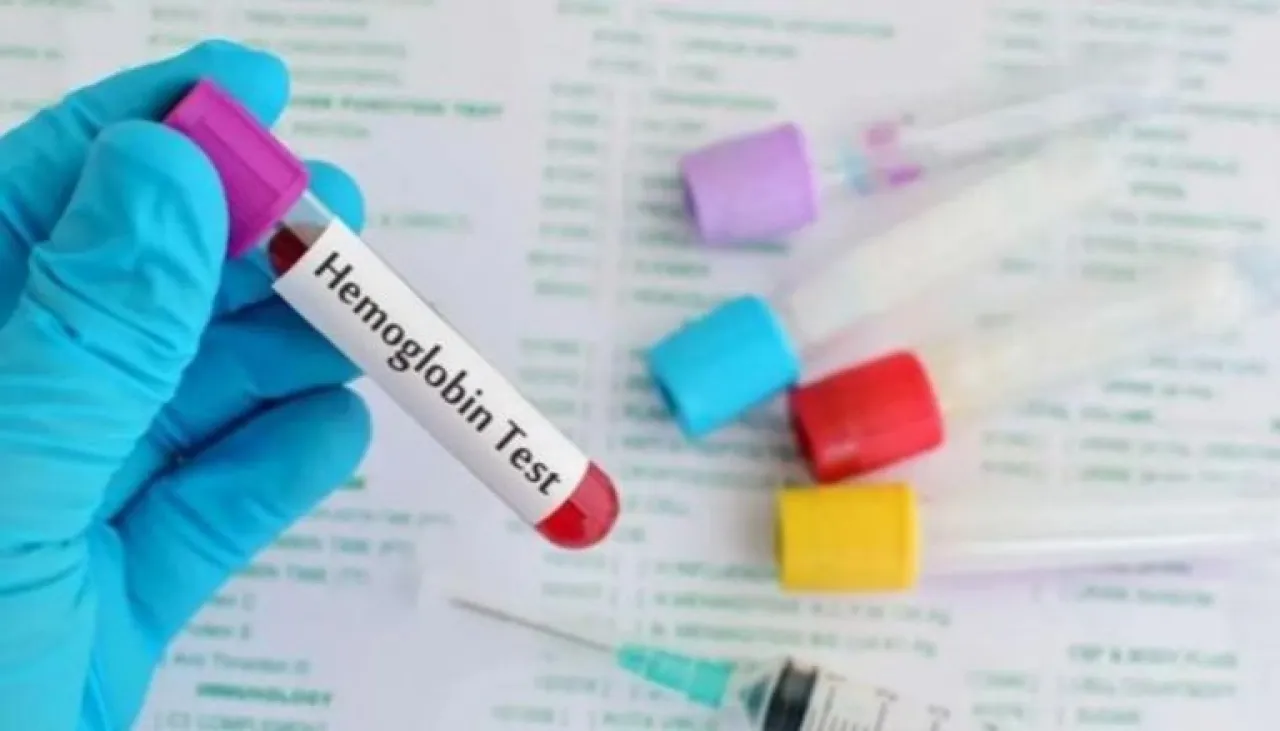
Fifth: Hemoglobin and anemia test
Fasting may sometimes lead to a deficiency in iron or vitamin B12, especially if the pre-dawn and break-fast meals are not balanced, and a comprehensive blood test helps detect any decrease in hemoglobin or white and red blood cells.
A study titled "Nutritional status and blood parameters during Ramadan fasting," published in the "Journal of Nutrition and Intermediate Metabolism," confirms that balanced nutrition protects against anemia during fasting, but testing after the midpoint of the month is important to ensure no deficiencies exist.