Khaberni - The Chamber of Pharmacists in Lower Saxony, Germany, warned against the incorrect use of medical patches, emphasizing that incorrect application could lead to the patient receiving an overdose or insufficient dose of the active substance.
Medical patches are used as transdermal treatment systems, gradually releasing active substances - such as strong pain relievers, nicotine for smoking cessation, and certain hormones - at a stable rate into the bloodstream, offering a convenient alternative to tablets or injections, especially in chronic conditions.
Opening the packaging without damaging the patch
Pharmacists emphasize the need to tear the packaging along the designated perforated line, as using scissors or randomly tearing the packaging could damage the patch and affect the regular release mechanism of the active substance.
It is also prohibited to cut the patch in half to reduce the dose, as this may alter the absorption system and lead to a dosage imbalance.
Choosing an appropriate spot on the skin
The skin should be intact and free of wounds, inflammation, eczema, allergies, scars, and tattoos.
It is preferable for the area to be clean, dry, and free of hair and oils. The area can be washed with water only and gently dried before applying the patch, with the avoidance of using creams or oils that may hinder adhesion or affect absorption.
Correct application method
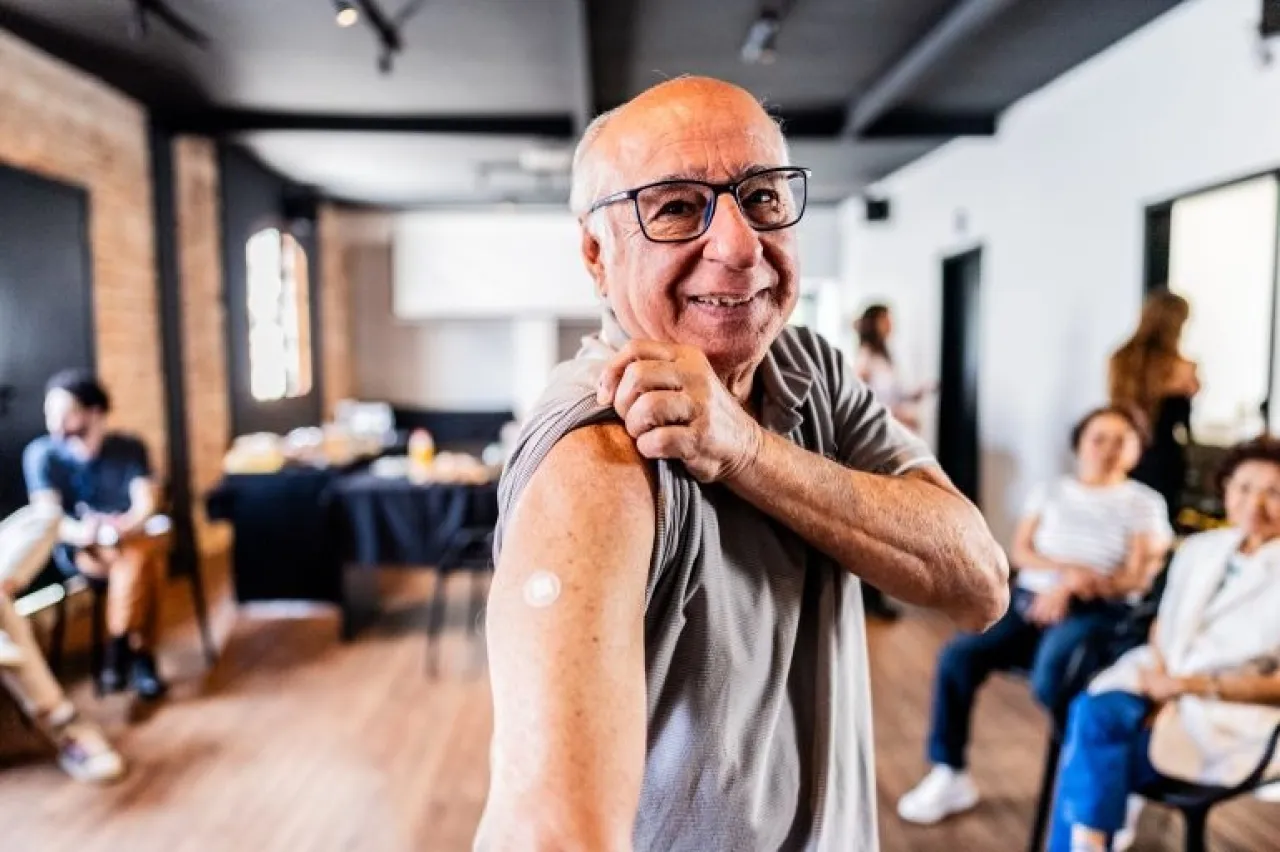
The application sites vary depending on the type of patch but generally include the back, torso, upper arm, or hip.
After removing the protective film, the patch should be pressed firmly onto the skin for up to 30 seconds without touching the adhesive surface, then hands should be washed thoroughly to prevent transferring any residue of the medication to the eyes or mouth.
Experts warn against using more than one patch at the same time, as this could lead to a dangerous rise in the concentration of the active substance in the blood, especially with strong medications such as some opioid pain relievers.
Heat may increase absorption
While bathing is usually allowed, exposure to high heat - such as saunas, tanning devices, or direct sunlight - may increase the speed of drug absorption.
It is also prohibited to place hot packs or approach direct heat sources in the area of the patch. Guidelines indicate that a fever exceeding 38.5 degrees Celsius may also lead to an unsafe increase in absorption, which requires consulting a doctor.
Adherence to the changing schedule
The timing for changing patches varies depending on their type; it could be every 24 hours, every three days, or even weekly. It is necessary to strictly follow the doctor's instructions or the leaflet inside, recording the date and time of application to avoid forgetting.
When replacing them, the old patch should be removed first, then a new one applied in a different spot to avoid skin irritation. It is advisable to record the place of the patch, especially if it is transparent and difficult to notice.
Safe disposal to protect the environment
After use, the patch should be folded inward so that its adhesive side sticks to itself, then disposed of in household waste or at points designated for collecting medications.
It should not be thrown in the toilet or sink, as the medicinal substances may not be completely removed in water treatment plants, posing a threat to aquatic life in rivers and lakes.
Medical consultation necessary
Healthcare experts affirm that medical patches, despite being easy to use, remain medications that require strict adherence to instructions, especially in children, the elderly, or patients who are taking other medications that may interact with them. Therefore, it is always advised to consult a doctor or pharmacist in case of severe redness, rash, or unusual symptoms.