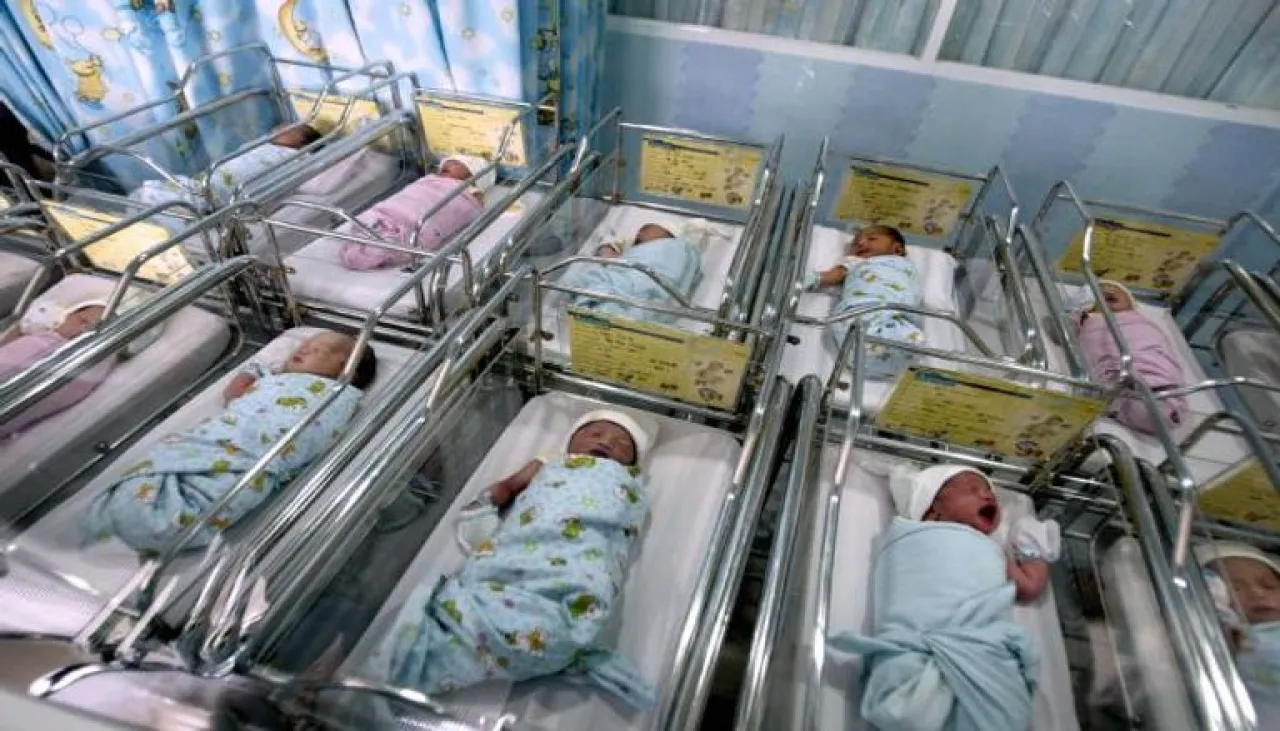
Khaberni - Rising temperatures may reshape the global gender balance, as studies show that climate affects the chances of male and female births.
Recent scientific research has revealed that climate changes and rising temperatures may play a direct role in determining the gender of newborns, which could affect the demographic composition in various countries around the world in the long term.
The study, conducted by the University of Oxford, which included an analysis of more than 5 million births across 33 countries from sub-Saharan Africa and India, indicated that warmer climates tend to increase the birth of females compared to males, especially when the temperature exceeds 20 degrees Celsius.
Dr. Yasmin Abdel Ghani, the principal supervisor of the research, according to the "Daily Mail", confirmed that extreme heat is not just a health factor, but also affects the survival of embryos and family behaviors regarding reproductive planning, which reflects on the gender balance in different communities.
The study pointed out that the impact of heat varies by region; in sub-Saharan Africa, heat stress in mothers leads to more male fetus deaths before birth, while in India, the effects appear during the later stages of pregnancy, especially among older women who have not previously given birth to males.
The results also confirmed that the natural sex ratio is not equal globally, as typically 101 to 102 males are born for every 100 females, but this ratio may be affected by climate factors, in addition to social practices such as male preference or selective abortions.
In a related context, a separate study from the University of Manchester showed the effect of seasons on male fertility, analyzing more than 15,000 samples in Denmark and Florida, indicating that sperm quality peaks in the summer and decreases in the winter, even in areas with continuously warm climates, suggesting that temperature is not the only factor affecting fertility.
Professor Alan Pacey commented on the study's findings, saying: "The recurrence of these seasonal patterns in completely different climates provides an opportunity for broader studies to understand the complex relationship between the environment and human fertility."