Khaberni - Against the backdrop of the escalating tension with Iran, the Israeli Ministry of Health has built a new underground hospital in the heart of Tel Aviv, as part of efforts to enhance readiness for war and emergency scenarios.
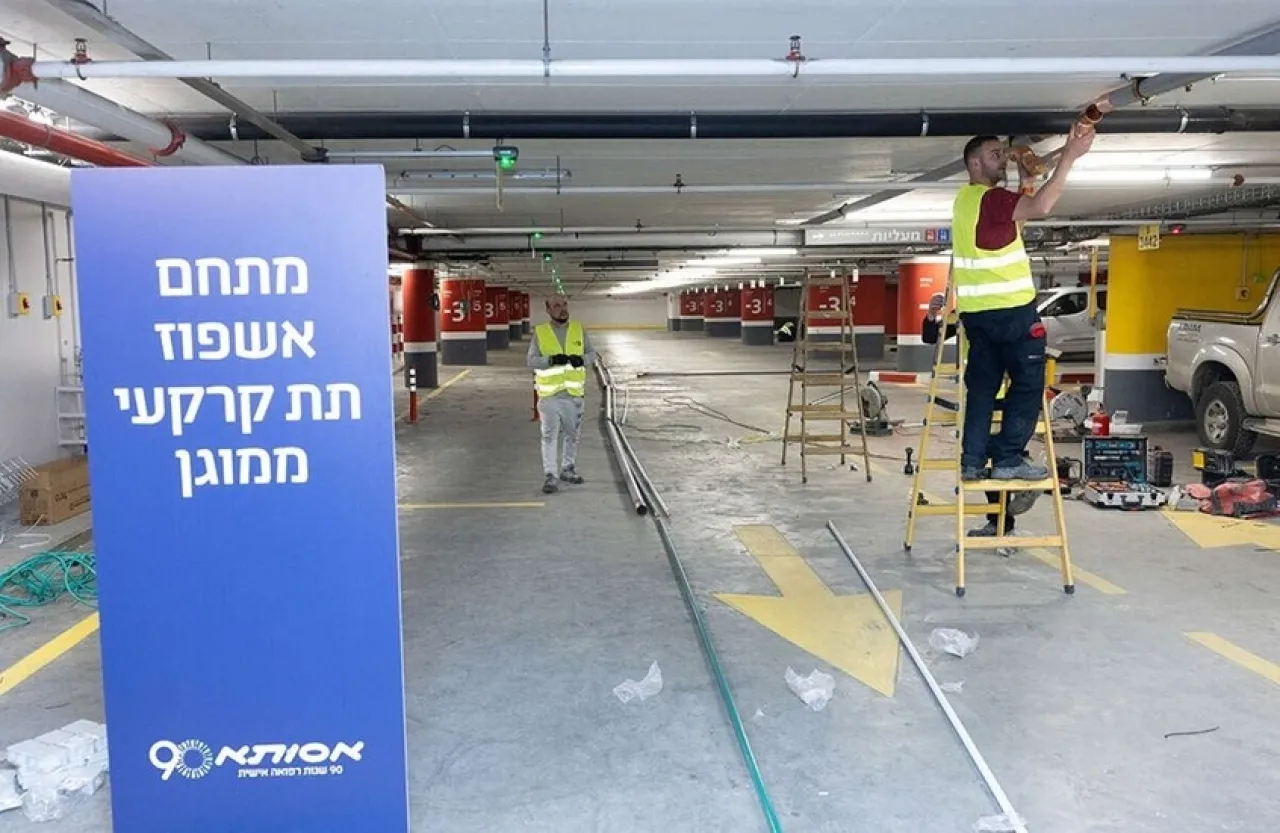
The "Assuta Ramat HaHayal" hospital conducted preparation works that included the underground parking area to function in emergency hours as a fortified hospital, featuring infrastructure for electricity, medical gases, and more. This facility, which is owned by the private hospital, is expected to be part of the national ambulance system in emergencies, serving other hospitals in the central region that lack sufficient fortifications.
The hospital includes 18 fortified operating rooms, and laboratory and imaging services that can be utilized by the underground hospital. Its capacity is about 200 patients.
A report by the state comptroller on the fortification of hospitals, published a month ago, revealed a significant shortage in fortified hospitalization beds, indicating that more than half (56%) of the hospitalization beds in Israeli hospitals are not fortified, along with 41% of operating rooms in public hospitals, half of the catheterization rooms, and a third of the dialysis stations.
The report recommended integrating private hospitals into the national emergency system, as they possess 253 fortified hospitalization beds, operating rooms, and fortified imaging equipment, but the Ministry of Health has not yet organized a model for this integration.
In a related context, the Director-General of the Ministry of Health, Moshe Bar Siman Tov, said: "We are increasing readiness without raising the alert level. We have not emptied the parking lots or moved underground. Yes, we have improved the ability to make transfers more smoothly and quickly if we need to do so. The conditions for hospitalization underground are not ideal, so we will not move underground for long weeks, but we want to be prepared."
Bar Siman Tov revealed that 3600 fortified hospitalization beds have been added to the system at a cost of 700 million shekels since the outbreak of the war, with an ambitious goal of reaching 70% of the beds fortified within three years.
For her part, Dr. Shani Brosh, Head of Medicine at Assuta, confirmed that the hospital demonstrated its flexibility and rapid response during the last round of fighting with Iran, noting that the initiative to establish this facility came in cooperation with the Ministry of Health, which funded the infrastructure works.