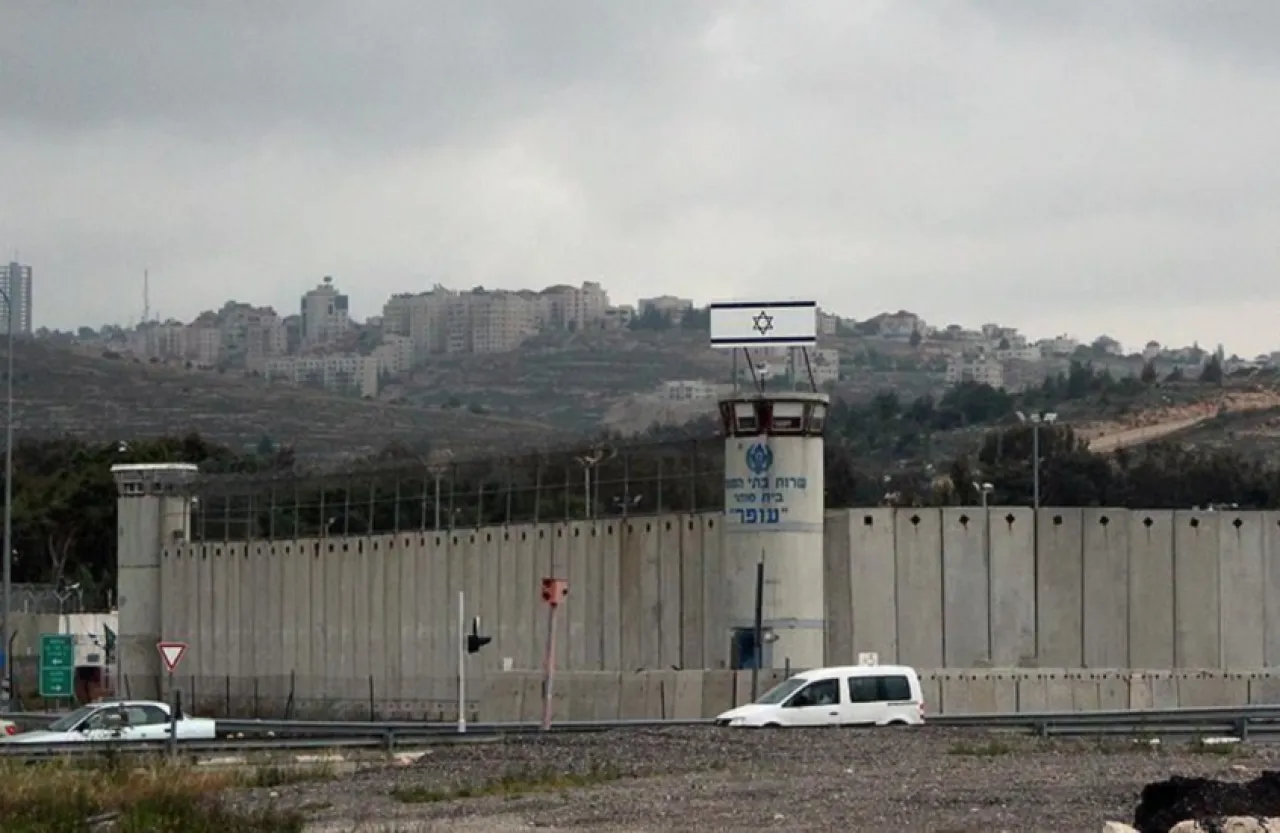
Khaberni - The Palestinian Detainees and Ex-Detainees Affairs Authority reported that the administration of Ofer Prison prevents informing the prisoners of the prayer times for Fajr and Maghrib, which deprives them of fasting and breaking their fast at the correct times at the start of Ramadan.
Palestinian media stated that these Israeli measures are part of an escalation in policies restricting religious observances and fundamental rights.
Moreover, the Prisoner’s Club confirmed that more than 9,300 Palestinian and Arab prisoners suffer from torture, starvation, and slow death in the jails of the occupation, with a continuous starvation policy for two and a half years that forces them into daily fasting with meager meals that are insufficient to sustain life.
The violations include deprivation of collective prayers and confiscation of Qur'ans, and among the detainees are about 70 female prisoners held in Damon Prison and interrogation centers, in addition to about 350 children imprisoned in Megiddo and Ofer Prisons, who face the same policies of torture, starvation, and deprivation, according to the statement.
According to the statement, more than a hundred prisoners have died, with 88 of them identified, including prisoners who died from starvation in addition to torture and abusive and assaultive policies.
The statement noted the death of the child Walid Ahmed from starvation in prisons, confirming that hundreds of children still face harsh conditions and deprivation of the simplest rights.
The statement pointed out that the Israeli authorities continue to detain 9 prisoners since before the signing of the Oslo Accords, with some having been imprisoned for more than four decades, marking one of the longest detention periods in Israeli prisons.
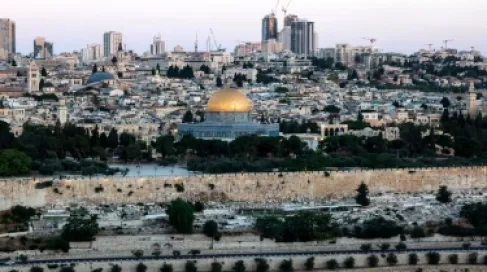
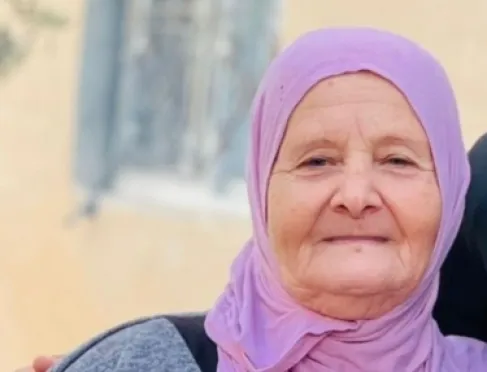
The Israeli authorities have imposed strict restrictions and complex conditions reducing access to Jerusalem, turning the right to pray at the first Qibla into a rare privilege accessible only to a few elderly people with special permits, as reported by an RT correspondent.
The correspondent noted that with the arrival of Ramadan, the journey to Al-Aqsa Mosque for thousands of Palestinians from the West Bank turns into a long wait at checkpoints.