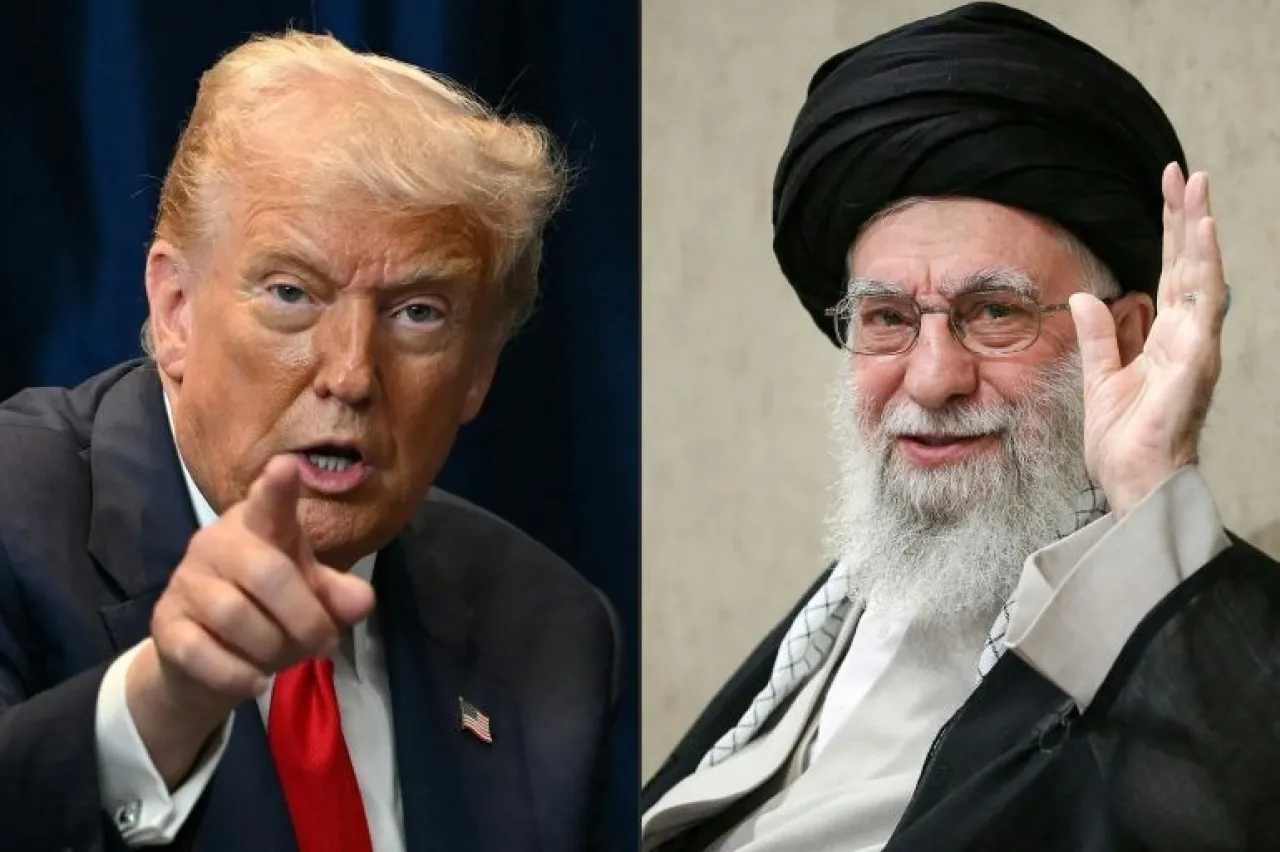
Khaberni - US President Donald Trump said today, Friday, that he is considering directing a limited military strike against Iran, while Reuters reported from US officials that the planning for military action against Iran has reached very advanced stages.
Trump's statement came in response to a question about whether he is considering a limited strike to pressure Iran to reach an agreement on its nuclear program, and he told reporters, "I think I can say that I am considering it."
Meanwhile, US officials said, "The planning for military action against Iran has reached very advanced stages, and the military action options against Iran range from targeting individuals and even seeking regime change in Tehran," explaining that the new information indicates detailed and ambitious planning awaiting Trump's decision.
US officials expect an Iranian response to any attack, which raises the risk of American casualties and a regional escalation of the conflict, noting that Tehran will submit a written proposal to address US concerns regarding the nuclear file.
Meanwhile, the spokesperson for the Israeli army announced that they are monitoring regional developments regarding Iran, and that they are on high alert but there are no changes in directives.
One of the officials pointed to Israel's success in targeting Iranian leaders during its 12-day war with Iran last year, which resulted in the death of at least 20 high-level military leaders, including the Chief of Staff of the Armed Forces, Major General Mohammad Bagheri, according to Reuters.
The American official praised the Israeli strikes, confirming the "effectiveness of this approach," adding that the focus was on those responsible for the leadership and control of the Iranian Revolutionary Guard forces.
However, the American official warned that targeting individuals requires additional intelligence resources, as killing a specific military leader means knowing his location precisely and understanding who else might be affected in the operation.
Reuters did not report the nature of the intelligence information that the United States possesses about the Iranian leaders who might be targeted.
Uranium Outside Iran
ABC News reported from an informed source that Trump was considering on Thursday a set of options for carrying out military strikes on Iran, noting that a limited strike is likely intended to strengthen Washington's negotiating position.
The network clarified that Trump is considering broader options that include strikes on government, military, and nuclear targets, confirming that the American military assets present in the region are sufficient to support a campaign that could last for weeks.
The network also reported, quoting officials, that Trump wants Iran to remove the remainder of its enriched uranium stockpile from Iran, impose a cap on the stockpile of long-range missiles, and stop supporting armed groups in the region, noting that Iran has not yet agreed to Washington's demands and will present a new written proposal over the next two weeks.
Massive American Deployment
According to an analysis published by the Financial Times, Washington has deployed a force sufficient for an extended aerial campaign, a move that former officials compared to the preparations preceding the 2003 invasion of Iraq.
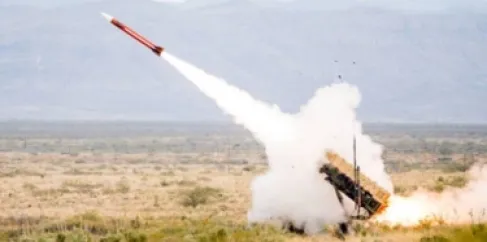
American reports revealed that in recent days the United States has deployed significant air and naval forces in the Middle East, including advanced stealth fighters, command and support aircraft, and air defense systems, in addition to two aircraft carrier groups, in the largest such mobilization since 2003.
The military reinforcements include two aircraft carriers, "USS Gerald Ford" and "USS Abraham Lincoln," along with more than 12 destroyers, and fighter jet squads.
ABC News anticipated that Trump would wait until the Ford aircraft carrier reaches a specific location before directing the strike, despite warnings from officials that the military is capable of striking Iran without it.
Once the aircraft carrier "Ford" arrives from the Mediterranean, the number of US forces in the region is expected to reach 40,000 personnel, according to ABC News.
Closing the Strait of Hormuz
Although Tehran has shown flexibility regarding its nuclear program, it categorically refuses to discuss its long-range missile program, considering it a defensive line against any potential attack.
Tehran has previously threatened to close the Strait of Hormuz in the event of an attack, a move that would impede a fifth of the global oil flow.
Iranian and American negotiators met last Tuesday, and Iranian Foreign Minister Abbas Araghchi said they agreed on "guiding principles." However, a White House spokeswoman stated that the two sides are still far apart on some issues.