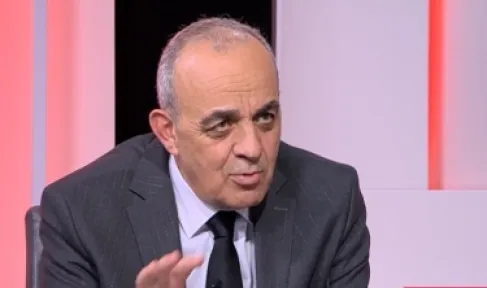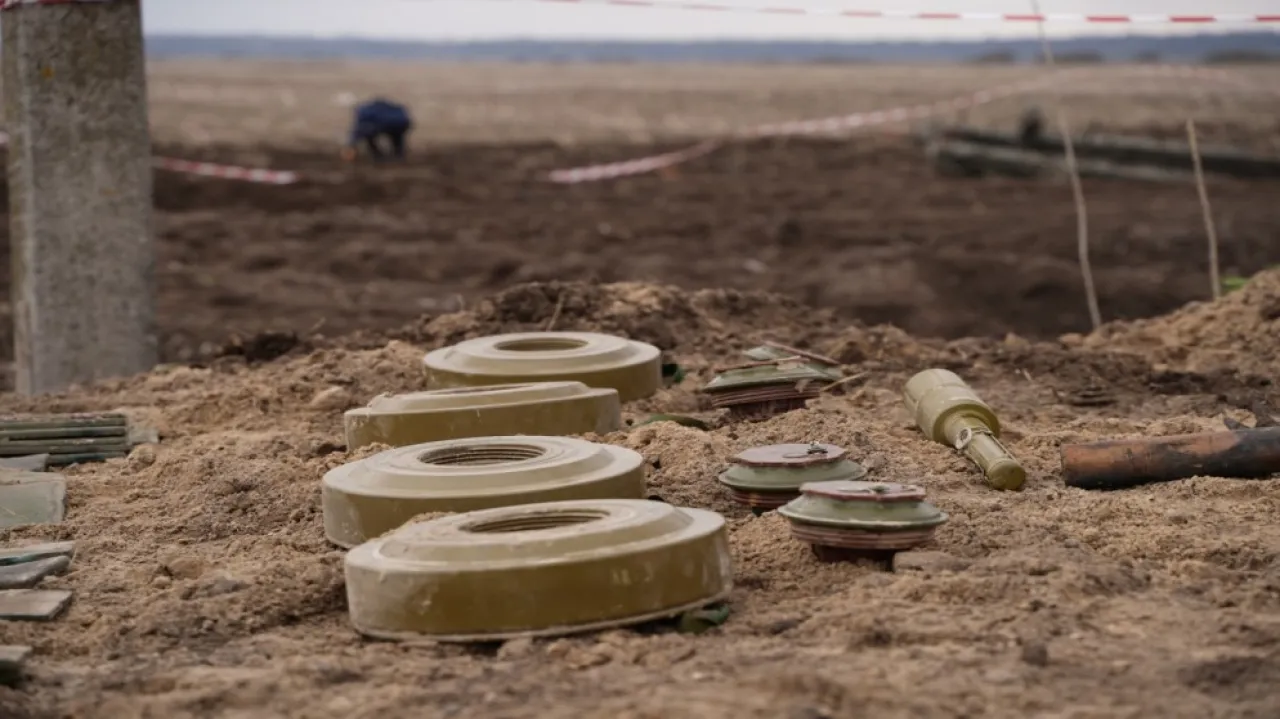
Adnan Talfah, the manager of the Awareness and Assistance Department for the Victims in the National Mine Removal and Rehabilitation Authority, confirmed that Jordan has completely finished the minefield removal operations by the end of 2012, after a national journey that started in 1993. This was in alignment with the Kingdom's commitments to the Anti-Personnel Mine Ban Convention ratified by Jordan in 1998.
Talfah explained on Saturday that Jordan was given a term of 10 years to finish the removal operations, before requesting an extension of an additional 3 years; due to the complexity of demining operations, and what they require in terms of advanced technology, high-level training, and precise safety procedures to ensure the safety of the workers and the citizens in the affected areas.
He pointed out that the National Authority works on several tracks according to the national program and in connection with the main clauses in the Anti-Personnel Mine Ban Convention, one of the most noteworthy being the mine removal program and victim assistance programs. He remarked that the services of the Authority are divided into two main axes.
He said, the first axis is the holistic level linked to public policies and legislation based on rights, which guarantees enabling the injured and granting them real value based on providing a stable source of income and sustainable job opportunities, rather than just relying on temporary financial aid, drawing attention to the fact that these efforts were carried out under the umbrella of the Higher Council for the Rights of Persons with Disabilities.
He added that the second axis focuses on supporting the direct needs of the injured, by looking after their affairs and providing aid to improve their quality of life, including implementing productive projects, especially in the agricultural sector, to ensure the sustainability of support.
Talfah mentioned that the Authority provides facilitated loans in cooperation with the Agricultural Loan Fund, ranging from 2000 to 3000 dinars, which both injured men and women benefit from, where the Authority covers the loan within the agricultural lending program, confirming that several injured women participate in these projects.
He explained that the Authority worked in coordination with the Ministry of Agriculture and the Jordan Valley Authority to implement agricultural projects that ensure the sustainability of the program and provide a source of income for the injured and their families. He highlighted that the first and second projects have been completed, and work is underway to expand the experience to be a unique model not only at the level of Jordan but also at the level of countries affected by mines and war remnants.
He explained that the projects implemented are small projects that match the skills of the injured, and include agricultural projects, sheep breeding, cell phone maintenance, as well as beautification, hairdressing, and tailoring projects for women, with the provision of technical or vocational training when needed to help beneficiaries launch their projects.
Talfah confirmed that the Authority cares for both civilian and military injured, and deals directly with civilian injured, who number less than 500 in Jordan, noting that about 128 injured participated in various programs.
He explained that the needs of the injured vary between those who need financial support, employment opportunities, or educational support, confirming that a significant proportion of the projects have achieved distinctive success stories, although some projects did not achieve the desired results.
Talfah pointed out that most mine injuries range from severe to moderate, and that the services of the Authority are not limited to economic support, but also include healthcare, physical and economic rehabilitation, job support, educational support, psychological and community support, as well as meeting seasonal needs such as Ramadan campaigns, back-to-school, and winter season, aiming to improve the quality of life of the targeted groups.