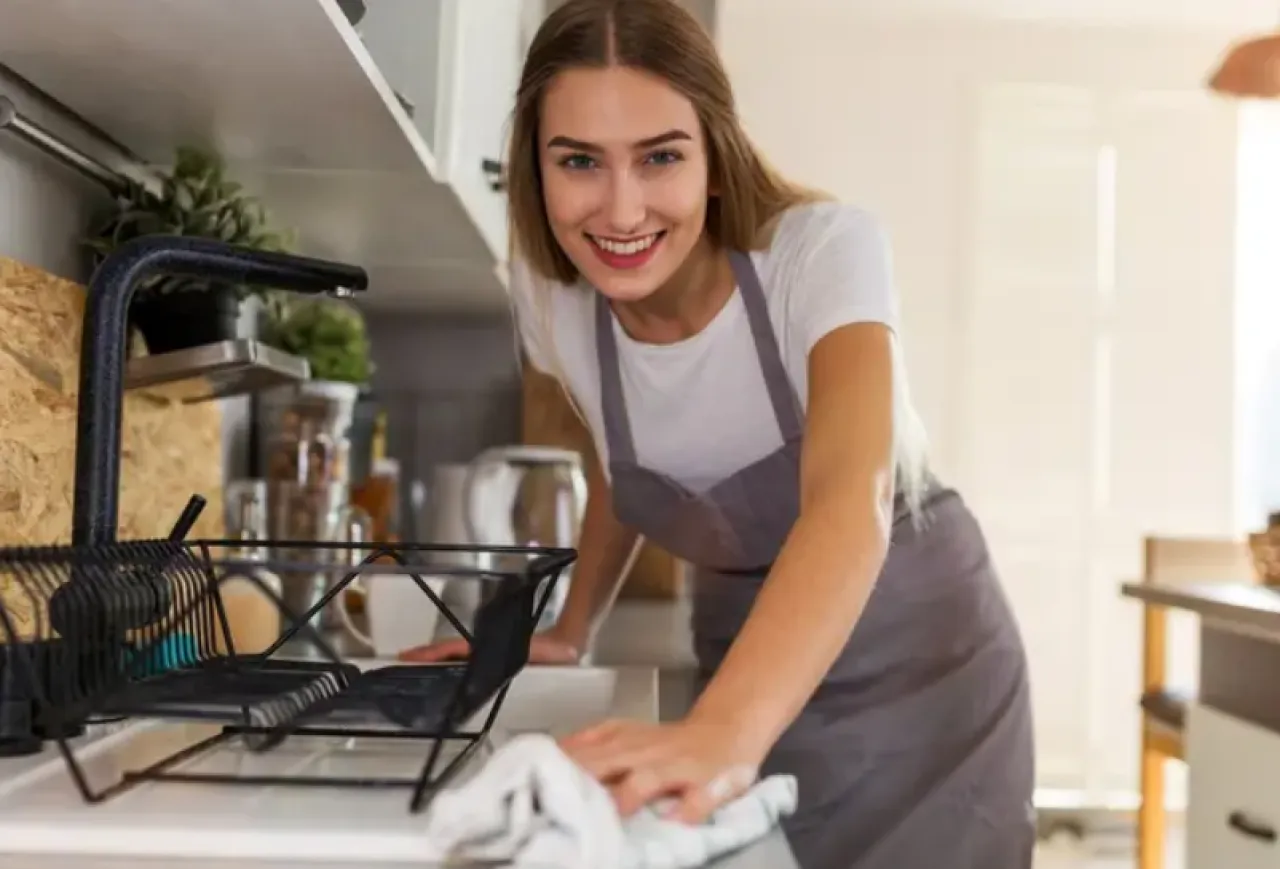
Khaberni - Psychologists point out that this habit goes beyond just cleanliness. According to a report published by the UK's Bury Council website, cleaning while cooking reflects deeper mental patterns, including how a person plans for the future, handles stress, and organizes their daily life. These patterns often affect behavior outside the kitchen, quietly shaping work habits, relationships, and long-term well-being.
Rinsing the pan while boiling pasta might initially seem like a purely practical procedure. However, studies on attention, behavior, and personality suggest that this simple routine indicates a distinctive psychological trait. People who clean while cooking consistently make quick decisions about priorities and timing and avoid extra effort in the future.
Each choice relies on several mental skills at once, such as maintaining organization under pressure, regulating emotions, controlling impulses, and thinking ahead. Over time, these skills form a consistent pattern that appears in many areas of life, as follows:
1- Strong executive functions
Executive functions are the brain's management system, including working memory, flexible thinking, and self-control. A person who cooks, times dishwashing, and wipes down surfaces smoothly heavily relies on this system. They integrate cooking and cleaning instead of dealing with them as separate tasks. As they sauté onions, they load the dishwasher. When the timer rings, they switch tasks smoothly without losing focus. It is the same skills that support complex work projects, study, and long-term planning.
2- Reduced daily stress and anxiety
Psychologists have long linked visual chaos to increased levels of cortisol, the body's main stress hormone. Consequently, a sink full of dishes or sticky surfaces signify unfinished tasks, keeping the brain stressed. Those who clean while doing so prevent this stress buildup. Many explain that they feel calmer during the cooking process due to the absence of stressful cleaning at the end.
3- A live conscience
A live conscience falls under the big five personality traits, which include reliability, order, and preferring planning over spontaneity. People who maintain order while cooking often show the same tendencies in other aspects of their lives. They tend to remember appointments, pay bills on time, and keep their promises. They focus on preventing problems rather than solving them later, notice small details others overlook, and maintain their daily routine without the need for pressure.
4- Strong willpower
Putting everything off until after dinner provides immediate relief. Rarely is cleaning while cooking the most tempting option at that moment. Opting to wash a greasy pan now rather than browsing the internet later is a simple act of self-control.
Research on self-regulation shows that small, frequent decisions like this generally enhance overall willpower. People who resist postponing tasks in the kitchen usually resist the same behavior in other aspects of their lives, thus saving money, maintaining their exercise routine, and having difficult conversations instead of avoiding them.
- Advanced spatial intelligence
Organized cooking is partly a mental puzzle. It requires keeping track of tools, anticipating what comes next, and arranging them to keep workspaces clear. This depends on spatial intelligence, or the ability to visualize space and organize it effectively.
Cooks who clean as they go create a mental map of their kitchen, estimate how many containers they will need, and place hot pots safely. Outside the kitchen, this skill appears in neatly packed travel bags, easy furniture rearrangement, and confidently parking in tight spaces.
6- Improved emotional control
Cooking can become stressful quickly when multiple tasks compete for attention. Adding cleaning to this requires steady emotional control. A person who calmly lowers the heat, turns off their phone, and continues rinsing practices smooth emotion regulation.
This ability to notice escalating stress and prevent its worsening is similar to how some people handle conflicts, deadlines, and unexpected problems. Over time, maintaining balance during simple kitchen challenges can build the capacity to face larger life stresses.
7- Mindfulness
Cooking while distracted usually leads to mistakes. Cleaning while cooking requires attention to the present moment, like the smell of garlic and the warmth of the water, and timing each step. This focus is similar to mindfulness techniques used in therapy and meditation.
8- Long-term thinking
At its core, this habit reflects a mindset of replacing simple present effort with future ease. Washing a single pot while waiting for the kettle can prevent stressful cleaning later in the evening.