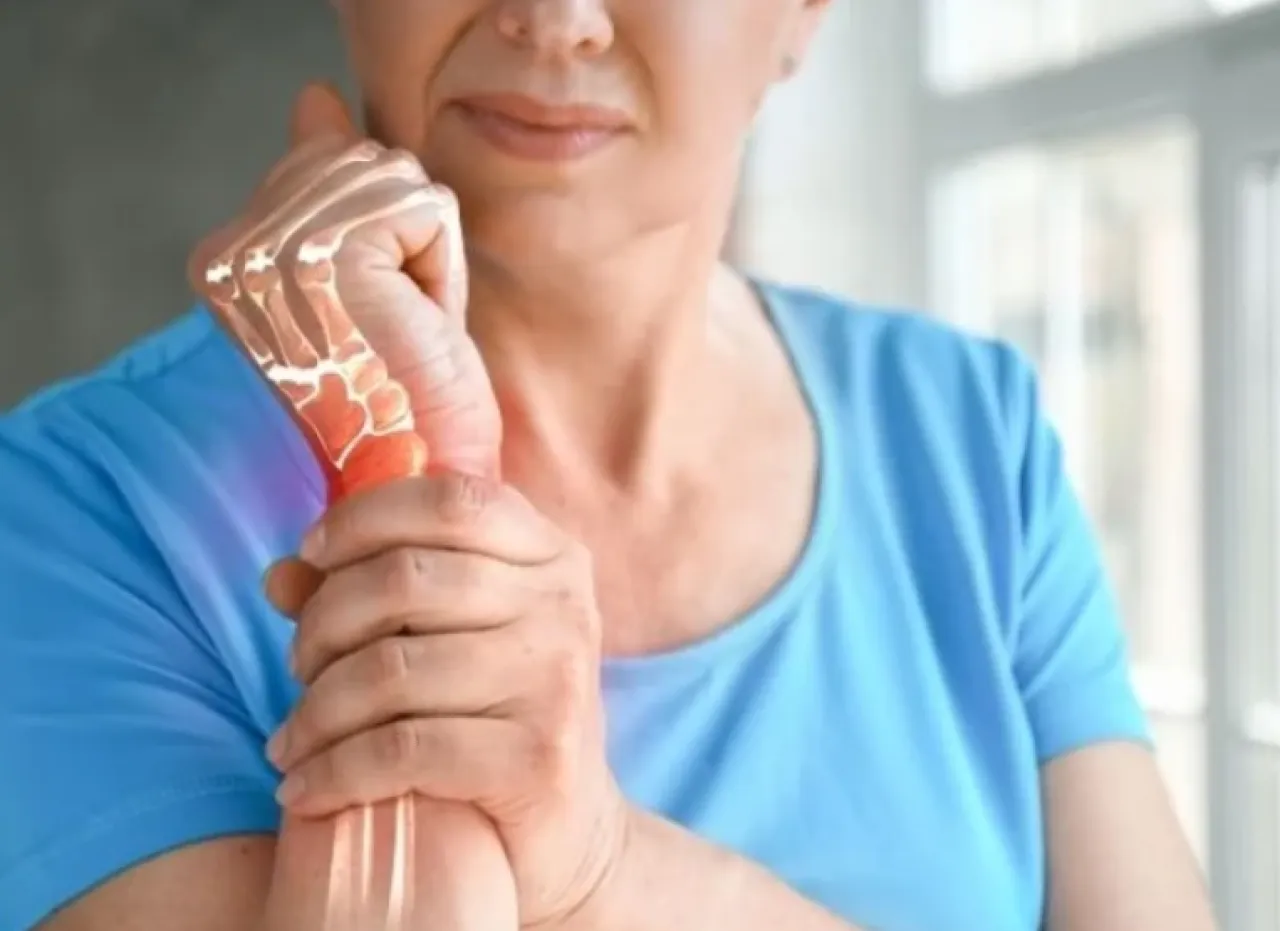
Khaberni - While many focus on preventing heart diseases and cancer, osteoporosis emerges as one of the silent health threats that women face, especially after their youth, due to its direct impact on physical strength and mobility independence.
In a conversation with "Fox News Digital", Dr. Mary Claire Haver, a gynecologist and obstetrician and founder of "The 'Pause Life" platform, revealed shocking statistics about women's health, confirming that about 50% of women are expected to suffer a fracture due to osteoporosis in their lifetime, a rate three times that of men.
What is the real threat?
The National Institutes of Health (NIAMS) defines osteoporosis as a lack of mineral density and bone mass, or changes in its structure and strength, and its danger lies in transforming bones into a material so brittle that a strong cough or simple bending could lead to a painful fracture.
Dr. Haver describes the consequences of these fractures as "devastating", as the damage extends not only to physical pain but also includes permanent disability, high medical costs, and loss of the ability to live independently.
Hidden Signs of Osteoporosis
Despite being described as a silent disease that develops without clear symptoms, Dr. Haver points to four "hidden" indicators that should not be ignored:
- Decrease in height: Noticing a gradual reduction in height.
- Back pain: Especially resulting from vertebral damage.
- Receding gums: An indicator that may be associated with jaw bone density.
- Weak nails: Frequent nail breaking and brittleness.
Factors of Women's Susceptibility to Osteoporosis
Genetic and environmental factors interplay in increasing the risk, and the list includes:
- Hormonal imbalances: Especially those associated with menopause.
- Medical history: Suffering from diseases like kidney and liver diseases, diabetes, or rheumatoid arthritis.
- Medications: Long-term use of corticosteroids (treatments for epilepsy, cancer, and acid reflux).
- Dietary habits: Lack of calcium and eating disorders.
Ways to Prevent Osteoporosis
Despite increased risk factors, osteoporosis is largely a preventable disease, through several proactive steps:
- Movement is key: Prolonged sitting sharply raises the risks, thus weight-bearing and resistance exercises are advised.
- Smart nutrition: Ensuring adequate levels of calcium and vitamin D through diet or supplements.
- Quitting harmful habits: Strictly avoiding tobacco and alcohol.
- Early screening: It is essential to consult doctors about periodic bone density testing (DEXA scan) to monitor health status and intervene timely.