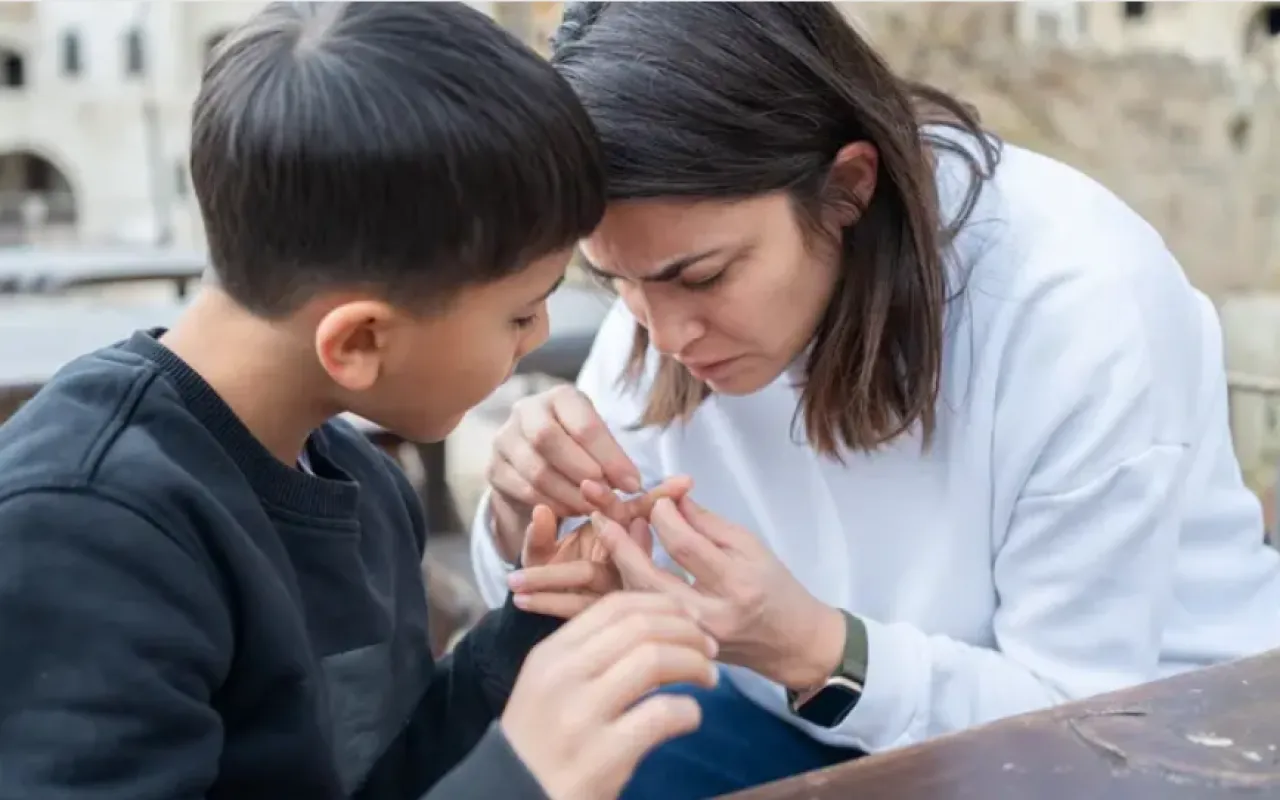
Khaberni - Splinters or "thorns" under the skin are common daily injuries, typically caused by small pieces of wood, glass, metal, or plant thorns. Despite its apparent simplicity, it can cause severe pain or complications if not treated correctly.
Experts explain, in a report published by The Conversation, that the outer layer of skin is rich in pain receptors, while the deeper layer contains even more, explaining the uncomfortable sensation even small splinters cause.
Little studies and many "recipes"
Despite the prevalence of this injury, the medical literature lacks clear comparative studies on the best methods for removing splinters. On the other hand, the internet is rife with non-medical remedies, such as using vinegar, tape, glue, or even banana peels and onions. Experts caution that some of these methods may cause skin irritation or allergic reactions, with no scientific evidence of their effectiveness.
Experts stress that the location of the splinter is the most important factor in deciding, for example, its presence in the eye or eyelid constitutes a medical emergency, and it is essential to visit a doctor immediately without attempting self-removal. The same applies if it is under the nails, as it may require medical intervention or a simple surgical procedure.
The second important factor is the material of the splinter; glass may shatter during removal and leave tiny fragments inside the skin. Wood, thorns, or rusty metal may carry the risk of tetanus, potentially necessitating a booster dose of the vaccine.
People with weakened immune systems or those who have undergone lymph node surgery should see a doctor as they may need antibiotics.
The correct way to remove a splinter
If the splinter is visible and close to the surface of the skin, it can be removed at home by following these steps:
- Thoroughly wash hands with soap and water.
- Sterilize the tweezers (and any needle used) using alcohol or medical sanitizer.
- If necessary, a sterilized needle can be used to gently lift the surface skin layer to expose the tip of the splinter, without going deep.
- Then gently pull the splinter from the same direction it entered.
- After removal, wash the area with soap and water or a suitable disinfectant, and then cover it if there is bleeding.
Experts warn against soaking wooden splinters in water as it may cause them to expand, making them difficult to remove.
When should you worry?
After removing the splinter, the area should be monitored over the following days. If symptoms such as increasing redness, swelling, persistent pain, discharge, or pus appear, it is crucial to see a doctor immediately, as an untreated infection can occasionally develop into serious complications.
In conclusion, the majority of splinters can be easily managed at home if they are superficial and clear, but the location, type of splinter, and the individual's health condition are critical factors. When in doubt, medical evaluation is the safest option.