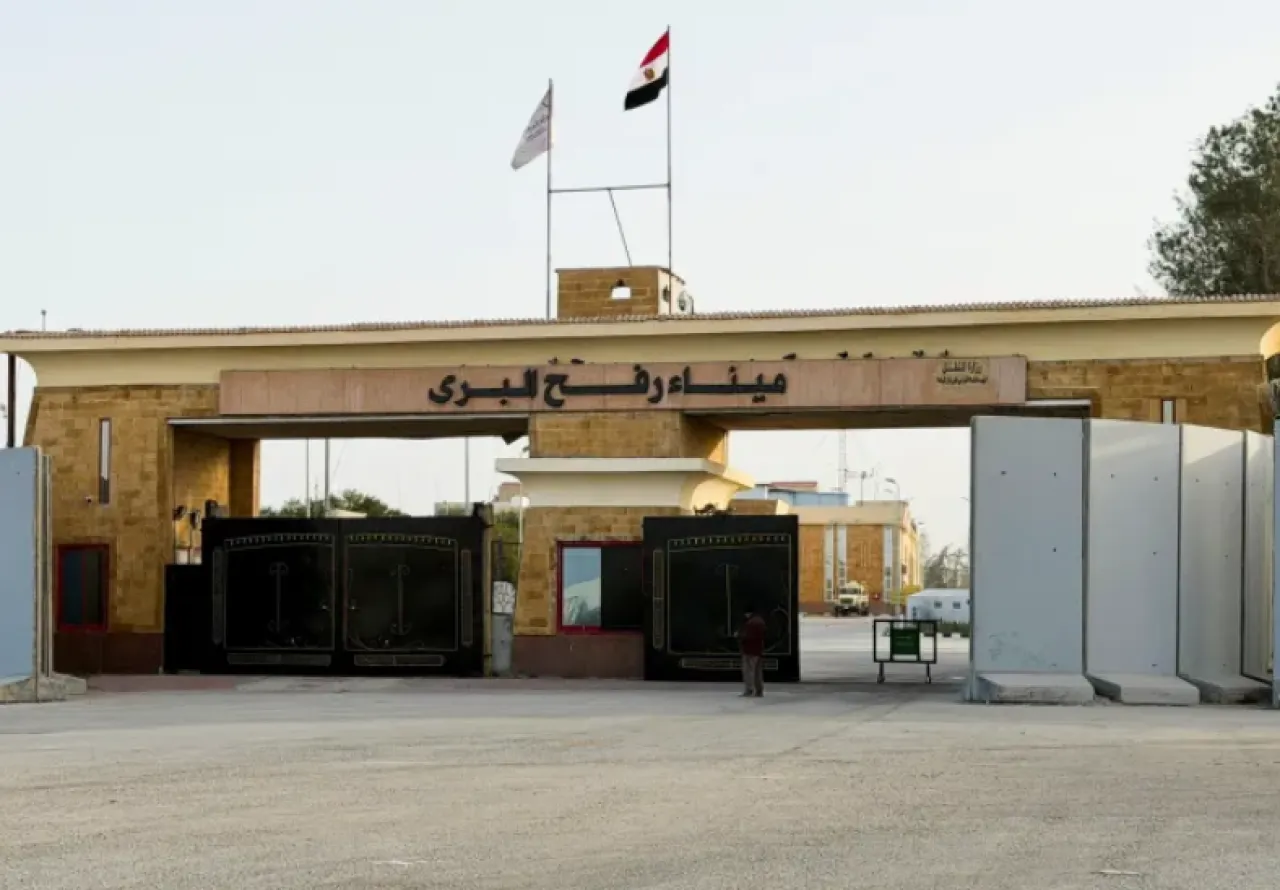
Khaberni - The reopening of the Rafah crossing is scheduled for tomorrow, Sunday, according to the requirements of the second phase of US President Donald Trump's plan for Gaza.
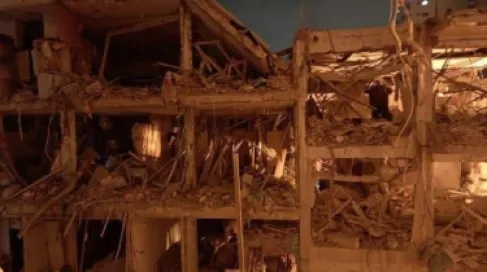
This comes after the crossing was closed throughout the Israeli genocide war on Gaza, which resulted in the martyrdom of more than 71,000 Palestinians, the destruction of the sector's infrastructure, and the displacement and starvation of the population.
Earlier on Wednesday, Israeli Army Radio reported that the security establishment had completed preparations for the opening of the Rafah crossing.
It stated that anyone wishing to enter or exit Gaza would need to obtain an Egyptian permit, and Cairo would send the names to the Israeli General Security Service (Shin Bet) for security clearance.
The Rafah crossing is considered the only outlet for Gaza residents to the world.
The following categories were the most affected by the closure of the Rafah crossing, and its opening represents great relief and a new horizon for them.
Gathering of the dispersed
For Mahmoud Al-Natour (48 years old), the opening of the crossing means a new dawn in his life as he has not met his wife and children for two years. They traveled at the beginning of the war, and he was prevented from joining them.
Al-Natour hopes to live a peaceful and stable life with his family like the rest of the world.
Like Mahmoud, the war has separated many Gaza families and has not been able to reunite them either outside or inside the sector due to the closure of the crossing.
Many Gaza residents paid huge amounts to leave the sector during the war, but they currently want to return to their families and properties.
Mohammed Khaled (18 years old) says, "I feel that I will return to life when I travel. I dream of the day when I will embrace my mother and sisters again."
This young man's mother traveled for treatment two years ago, and his sisters followed her, but he stayed with his father and "when my mother went through a difficult treatment stage in the hospital, we felt helpless."
He recounts that he was injured by shrapnel during the war and it was not possible to remove it from his body "because the facilities here are non-existent."
The illness and the cure
Earlier, the Ministry of Health in Gaza said, "20,000 patients have complete medical referrals and are waiting for permission to travel abroad for treatment."
Among these is Randa Samih, who has been waiting to obtain a travel permit for treatment for more than a year and a half, due to a back fracture she sustained during the war.
She says, "The doctors were unable to treat me due to the lack of facilities and the pressure on hospitals."
She adds, "The news we hear about the crossing is not encouraging... there are tens of thousands of injuries in Gaza, most of them more serious than my condition. I will travel at my own expense for treatment in Egypt if it becomes possible, and I will not wait for my turn."
The future behind the gate
Students are also among the categories most affected by the closure of the crossing, and they are counting the hours and minutes in anticipation of its reopening, enabling them to start shaping their future.
The understandings regarding the opening of the crossing "prioritize students who have received university acceptance and visas, and holders of Egyptian citizenship and other foreign nationalities and residencies."
From a tent in Mawasi Khan Yunis, Gharam Al-Jumla says, "My dreams are behind the Rafah crossing. I applied for several scholarships to study Journalism in English in Turkey, and I received preliminary acceptance from two universities."
Gharam, 18 years old, continues, "The war started when I was in the first year of high school, and I graduated this summer from high school with an excellent grade... I studied in the worst conditions in order to achieve my dream of becoming a journalist."
She adds enthusiastically, "I dream of the day I will travel and my first day at university."
The Israeli genocide war resulted in many Gaza students losing scholarships they had obtained abroad.
Earlier, students from Gaza organized a stand, demanding the opening of the Rafah crossing and enabling them to complete their university education abroad.
Messengers of truth
About 400 journalists from around 30 countries are looking forward to being allowed to enter Gaza to witness the extent of the genocide committed by Israel against people, stone, and progeny.
Israel had previously stated that it would not allow foreign journalists to enter Gaza even after the Rafah border crossing between Egypt and Gaza reopens.
Haaretz newspaper reported that the Israeli government representative informed the Supreme Court that foreign journalists would not be allowed into Gaza due to security risks.
However, human rights organizations and journalistic unions continue to pressure for granting journalists the right to stand on the ruins of Gaza.