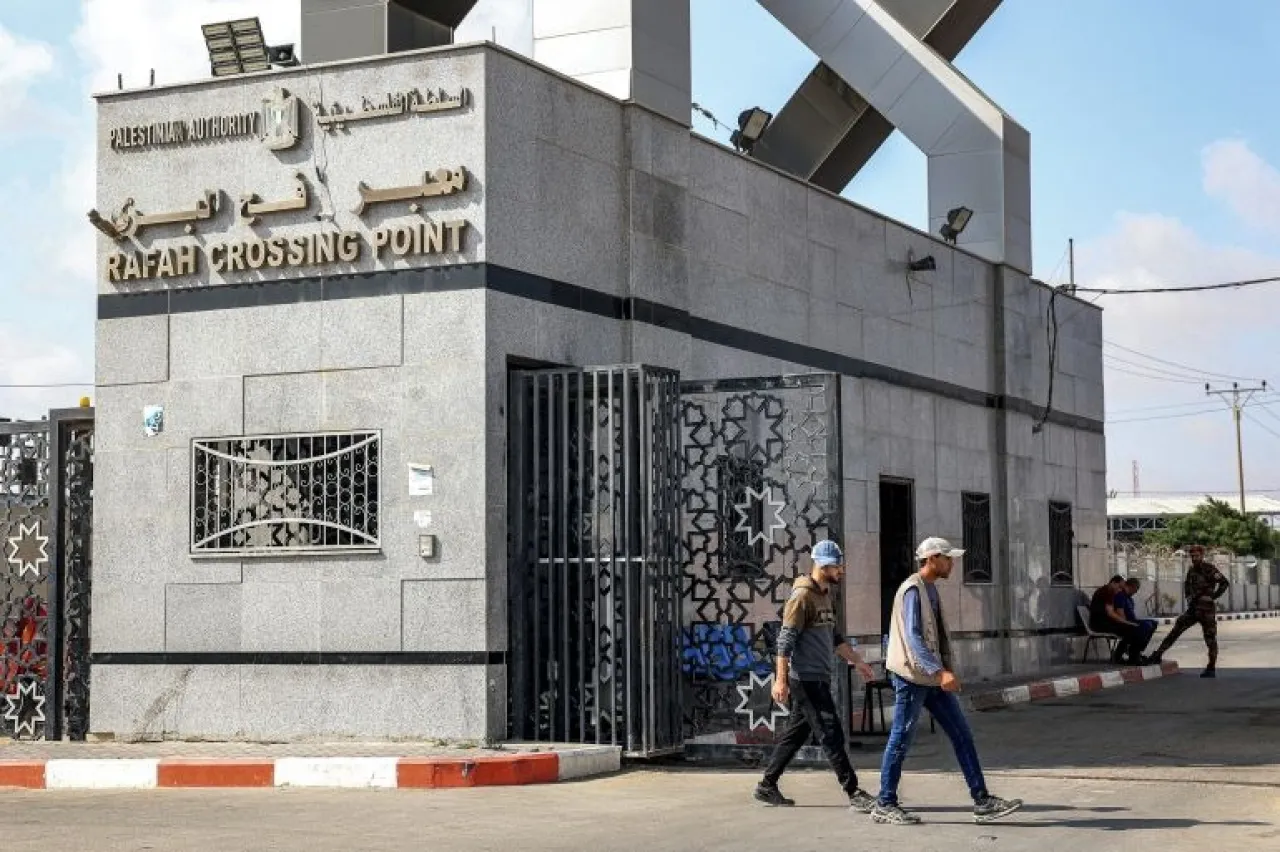
Khaberni - Israeli Channel 12 attributed to a security source that the Rafah crossing was initially opened with representatives from the European Union and Egypt in attendance.
The channel reported on Sunday that "some individuals may be allowed to cross from the Rafah crossing today, but the number will not exceed 150".
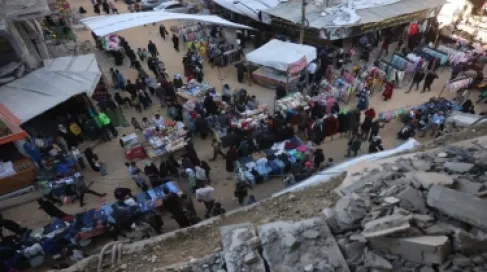
The opening of the crossing comes after months of calls from countries, the United Nations, humanitarian organizations, and residents of the area, who are living in extremely harsh conditions amid destruction and under siege.
Despite a ceasefire agreement in effect since October 10, Israel has refrained from taking any steps regarding the Rafah crossing between Gaza and Egypt.
The Coordination of Government Activities in the Territories (COGAT) announced that "entry and exit from the Gaza Strip via the Rafah crossing will be allowed in coordination with Egypt, after obtaining prior security approval from Israel, and under the supervision of the European Union mission".
It was clarified that only residents who left during the war will be allowed to return.
Hamas renewed its call on Friday for the opening of the crossing. In a statement, it demanded "serious pressure to stop this repeated aggression against our people, and an immediate transition to the next phase, including opening the Rafah crossing in both directions, and allowing the national committee to operate in the Gaza Strip devastated by the occupation".
Rafah is the only land crossing connecting Gaza with the outside world without passing through Israel. It is located in the territories still controlled by Israeli forces after the ceasefire took effect.
Israel took control of the crossing in May 2024, before it was reopened briefly in early 2025.
The besieged and destroyed residents of the area, the United Nations, and many organizations are eagerly awaiting the opening of the crossing due to the catastrophic humanitarian conditions caused by the war in Gaza.
However, Israel's announcement of reopening the crossing on a limited basis and under strict restrictions, following strong American pressure, does not meet the demands of the United Nations, humanitarian organizations, or Hamas.
Farhan Haq, spokesperson for the Secretary-General of the United Nations, said "We of course hope that the (opening of) Rafah will allow the movement of goods... as this is essential for increasing the humanitarian supplies coming into Gaza and could expand the scope of the humanitarian response".
He added, "For those leaving, we have repeatedly said that it should be possible for those wishing to leave or return to do so voluntarily and safely".