Khaberni - The use of smartphones exceeds three hours daily on average, while the total screen time for many adults reaches more than six hours per day, which has made symptoms like eye strain, dryness, blurred vision, and headaches part of modern daily life.
And as screens have become an indispensable element, there is increasing interest in technologies that do not just alleviate symptoms but also seek to train the eye itself to adapt better to digital habits.
Eyeary.. Smart glasses for eye training
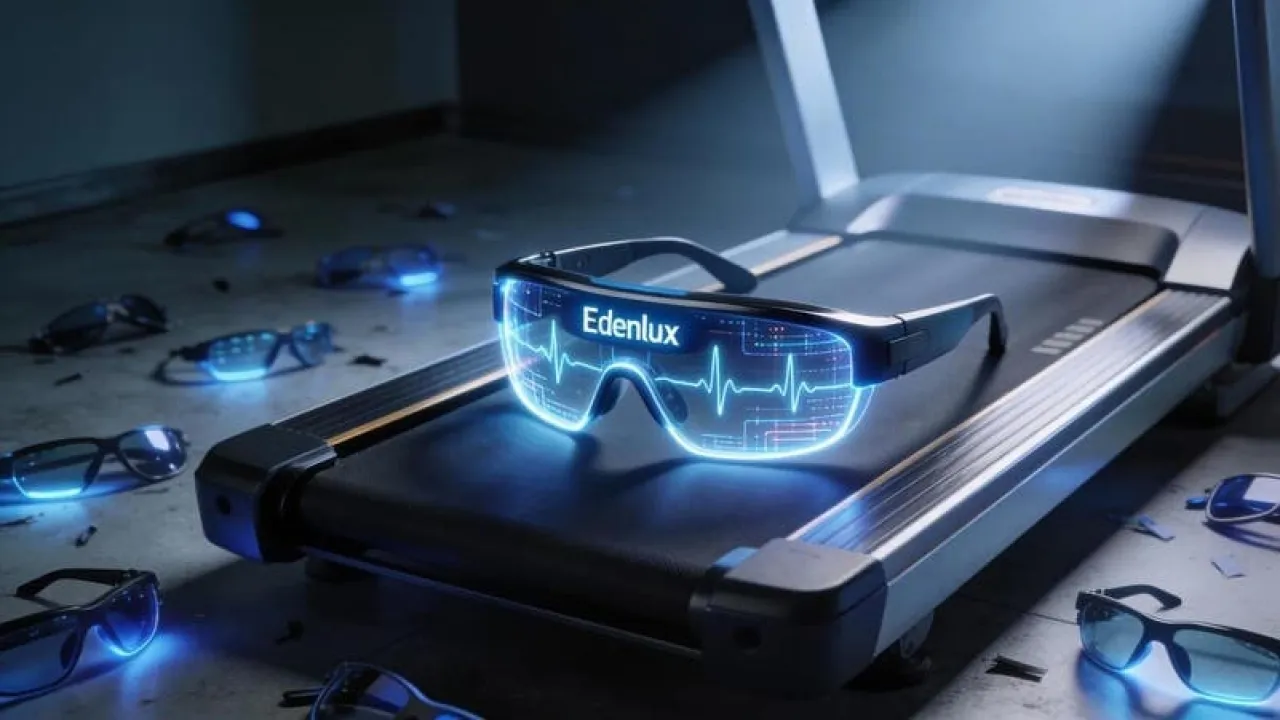
In this context, the South Korean company Edenlux is preparing to launch its new device, Eyeary, later this year in the United States, which are lightweight glasses specifically designed for vision training.
Unlike eye exercise applications or blue light blocking glasses, Eyeary directly works on the ciliary muscle responsible for focusing the eye, according to a report published by "gizmochina" and reviewed by "Al Arabiya Business".
Intensive screen use keeps this muscle in a state of constant contraction, causing visual fatigue.
The device relies on guiding the eye through 144 different focus points, in a repeated training process that helps the muscle relax and contract normally, using artificial intelligence techniques to customize the experience according to the user.
Is the technology really new?
Although eye exercises are not a new idea, most current solutions are limited to specialized medical tools, simple applications, or bulky devices not suited for everyday use.
What distinguishes Eyeary is that it combines:
- Hardware-based visual training.
- Customization supported by artificial intelligence.
- A practical design that can be worn daily.
These are specifications that rarely come together in one consumable product outside of medical clinics.
What does the market currently offer?
Blue light blocking glasses: These are the most widespread and aim to reduce glare and improve comfort while using screens, but scientific studies on their effectiveness in reducing digital eye strain are still mixed.
Simple eye exercise tools: Such as pinhole glasses or manual exercises, which rely on stimulating eye movement, but lack precision and do not use sensors or smart software.
Clinical and experimental solutions: These include visual therapy systems based on virtual reality or variable focus lenses, but are often expensive, bulky, and intended for medical use and not for the average consumer.
Gap in the eye care market
Generally, most current solutions focus only on symptom relief, while wearables that offer active training for focusing muscles using data and artificial intelligence are rare in the consumable market.
Will the future of eye health change?
If Eyeary proves effective on a wide scale, it could contribute to transforming eye care from treatment to daily prevention, especially among intensive screen users.
This might pave the way for eye health to become part of consumable technology, akin to physical fitness tracking, which may affect the future design of smartphones, wearable devices, and even the screens themselves, to protect vision in the long term.