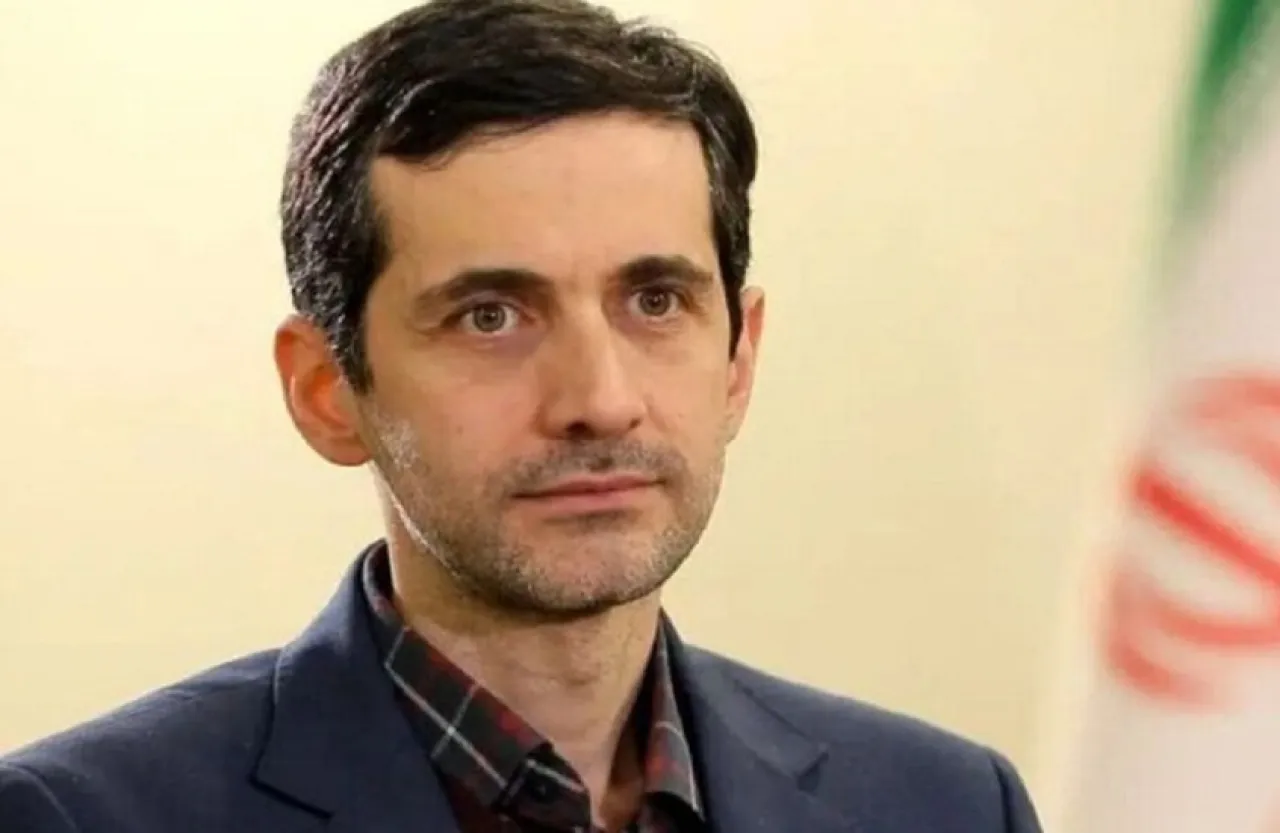
Khaberni - Youssef Bazshkyan, the son of the Iranian President, called on Saturday for the restoration of internet service in the country, considering that the authorities must "sooner or later" face the spread of images repressing the recent protests.
Youssef, who is an advisor to his father President Masoud Bazshkyan's office, said in a message via "Telegram" reported by the official news agency "IRNA": "Perhaps the security establishment fears that the return of the internet could destabilize the country's security. But the bigger concern is that (continuing) internet censorship will widen the gap between the people and the government. This means that those who were not already discontent will be added to the list of the discontented."
Bazshkyan considered that internet censorship, which has "become a necessity of everyday life," is "akin to trying to erase the problem," and continued, "Publishing pictures of protests is something we must face sooner or later, and censoring the internet will not solve anything, but will only postpone the problem."
Youssef Bazshkyan repeated the description of the recent violence in the country as "the product of a planned operation and professionally trained groups belonging to foreign entities," but added: "At the same time, perhaps the security and law enforcement forces have made mistakes, and no one will defend the violations, and this needs to be addressed."
Later on Saturday, Behzad Akbari, the CEO of Iran's Telecommunications Infrastructure Company, said that the internet service, which was blocked more than two weeks ago, would return "today or tomorrow," according to the Fars News Agency.
The agency reported that the Supreme National Security Council ratified on Friday evening the restarting of the internet, and informed the Ministry of Communications of this.
Since January 8, the authorities have imposed an unprecedented internet blackout, a move human rights organizations say aims to conceal a bloody suppression campaign that resulted in thousands of deaths and stifled the movement.
The US-based Human Rights Activists News Agency (HRANA) reported on Saturday that it confirmed the deaths of 5459 people during the protests, including 4149 demonstrators, 208 security forces members, and 42 non-demonstrators or civilians, noting that it is still investigating 17031 other potential killings.
On the other hand, the Iranian authorities announced last Wednesday the first total casualty figure of 3117 deaths, the vast majority (2427) of them being from security forces or bystanders, not the demonstrators described as "rioters."