The number of refugees resettled from Jordan to third countries last year reached 1,494 refugees, bringing the total of those resettled since 2014 until the end of 2025 to approximately 78,624 refugees, according to the United Nations High Commissioner for Refugees, as published by Al-Ghad daily.
As economic and humanitarian pressures on refugees in Jordan increase, resettlement emerges as one of the international solutions proposed to share burdens with the Kingdom. However, the limited global quotas keep this option narrowly focused, covering only a limited percentage of the most vulnerable cases.
According to estimates by the Commission, more than 32,500 refugees in Jordan will need resettlement during 2026 alone, while the number of refugees desiring resettlement is estimated at around 80,000, amidst a clear gap between the required numbers and the actual opportunities available.
In light of this reality, the Commission prioritizes refugees of all nationalities who have urgent protection needs, while continuing to work on enhancing complementary migration pathways such as family reunification, private sponsorship programs, and study and work grants in third countries.
The Commission does not expect a significant increase in departures through resettlement in the next three years, nor does it anticipate large refugee flows toward Jordan, even with ongoing security volatility in the region.
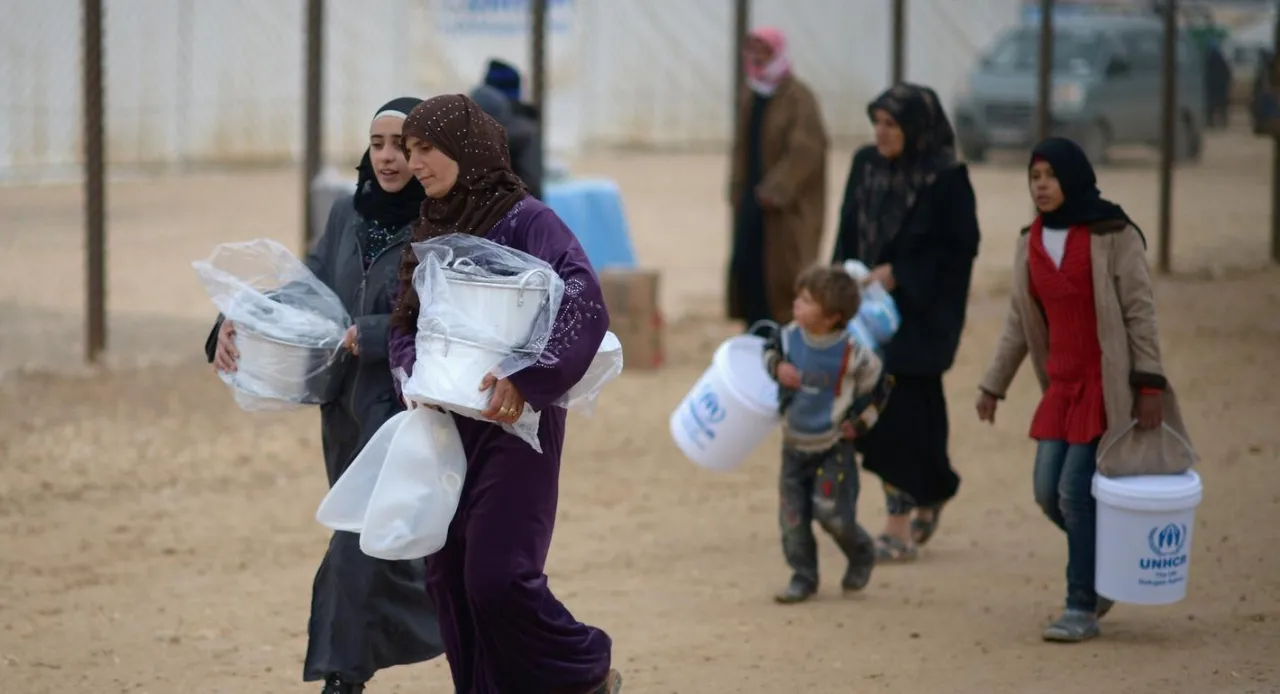
Conversely, Commission reports show the continued deterioration of social and economic conditions for refugees, with financial pressures and declining aid forcing many families to adopt difficult coping strategies, including reducing spending on food, education, and health. Funding restrictions have also limited the ability to maintain infrastructure in the camps, increasing the vulnerability of families living in old houses, especially during the winter season.
Resettlement is defined as the process of transferring refugees from the first country of asylum to a third country that agrees to accept them and grant them permanent residence, ensuring them full legal protection and opportunities for integration and stability.
This mechanism is one of the three sustainable solutions adopted by the Commission to address the conditions of asylum, alongside voluntary return to the country of origin when safe conditions are met, or local integration in the country of asylum where possible.
Annual Quotas
The Commission affirms that resettlement is not a right guaranteed to all refugees, but an option provided by host countries based on specific annual quotas, and these quotas depend on the policies of those countries and national considerations. Moreover, refugees do not have the freedom to choose the country where their files are presented, while retaining the full right to accept or reject the offer.
The selection process for resettlement candidates is subject to precise criteria focused on the most vulnerable cases, where the Commission identifies refugees facing direct threats to their lives or freedom, those who have suffered serious human rights violations, or those suffering from serious health or psychological conditions that cannot be adequately addressed in the country of asylum.
Other factors considered include maintaining family unity, the availability of healthcare, access to education, and the level of legal protection available in the country of asylum. After evaluating the situation, a recommendation is made to a receiving country, which then studies the file and conducts interviews and security and medical tests before making a final decision.
The rights granted by receiving countries to refugees include permanent residence, the possibility to work, access to education, healthcare, and social services, enabling refugees to start new lives and integrate into society, and may later open the door to obtaining citizenship according to the national laws of those countries.
Despite the humanitarian importance of resettlement, the Commission notes that the process often takes years due to extended administrative and security procedures, in addition to the limited global quotas available.
Funding Gap
Last year, the Commission received funding totaling 115 million dollars, equivalent to only 31% of its estimated needs for 2025, amounting to 372.8 million dollars. The Commission describes the current situation as facing a "critical funding gap," amid increasing needs and declining international support.
The Commission continues to cooperate with the Jordanian government, donors, and international partners to maintain essential services and enhance long-term support for refugees and host communities, emphasizing that while resettlement represents a form of international solidarity and responsibility sharing, it does not substitute the need to continue supporting Jordan as a principal host country for refugees for more than a decade.