Khaberni - The Institute of Psychiatry and Neuroscience at King's College London, in collaboration with the YoungMinds Foundation, conducted a study that revealed youth behaviors on social media during episodes of self-harm.
The results showed that young people reduce or temporarily stop posting pictures on the day self-harm occurs.
It was explained that young people often express feelings of psychological distress through diverse content that includes mental health, humor, and communication with others, reflecting an interplay of expressing suffering with the desire for support and social interaction.
The escalation of self-harm and its relationship with social media
Self-harm among youth is increasing, especially among those experiencing psychological issues, raising the risk of suicide. Some studies have indicated that young people may interact with harmful content that promotes self-harm, while other studies have shown that social media can provide peer support and contribute to recovery.
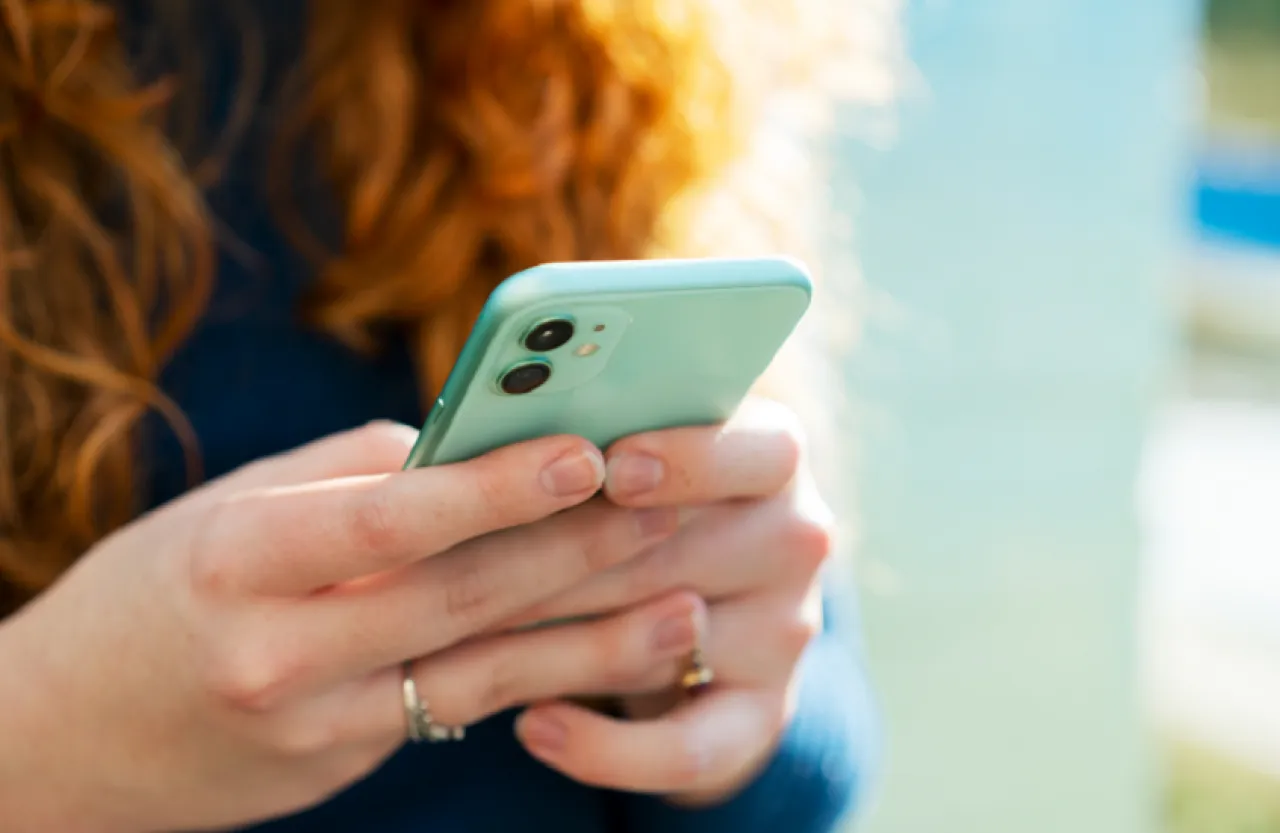
Sharing pictures on social media is among the most common forms of interaction among young people, and this study is the first to analyze their behaviors during actual self-harm episodes.
Study design and key results
The study aimed to understand how young people express themselves through pictures on social media before and after episodes of self-harm. The analysis focused on a subset of 20 young people aged between 13 and 25 who had engaged in self-harm behaviors during a 6-month follow-up, providing data from their social media posts. The picture posting behavior was examined over 14 days near the reported and clinically recorded episodes.
The results showed:
No explicit pictures encouraging self-harm were published, and the few textual references aimed at encouraging seeking help.
Young people posted fewer pictures on the day of self-harm, with indications of trying to hide their feelings or distract from them before and after the incident.
These phenomena may reflect their fears of stigma or of arousing negative feelings in others, in addition to increasing content monitoring by social platforms.
Professor Reina Duta, Professor of Psychiatry at King's College London, said: "Self-harm in youth is often a sign of suffering, and they need support from specialists and from family and friends. While there are sometimes negative impacts of social media, the study showed that it enables young people to express difficult emotions and encourage others to seek help."
The study was published in the journal BMJ Open.