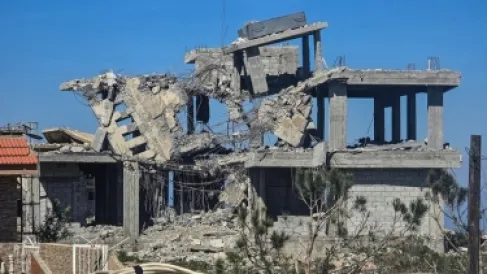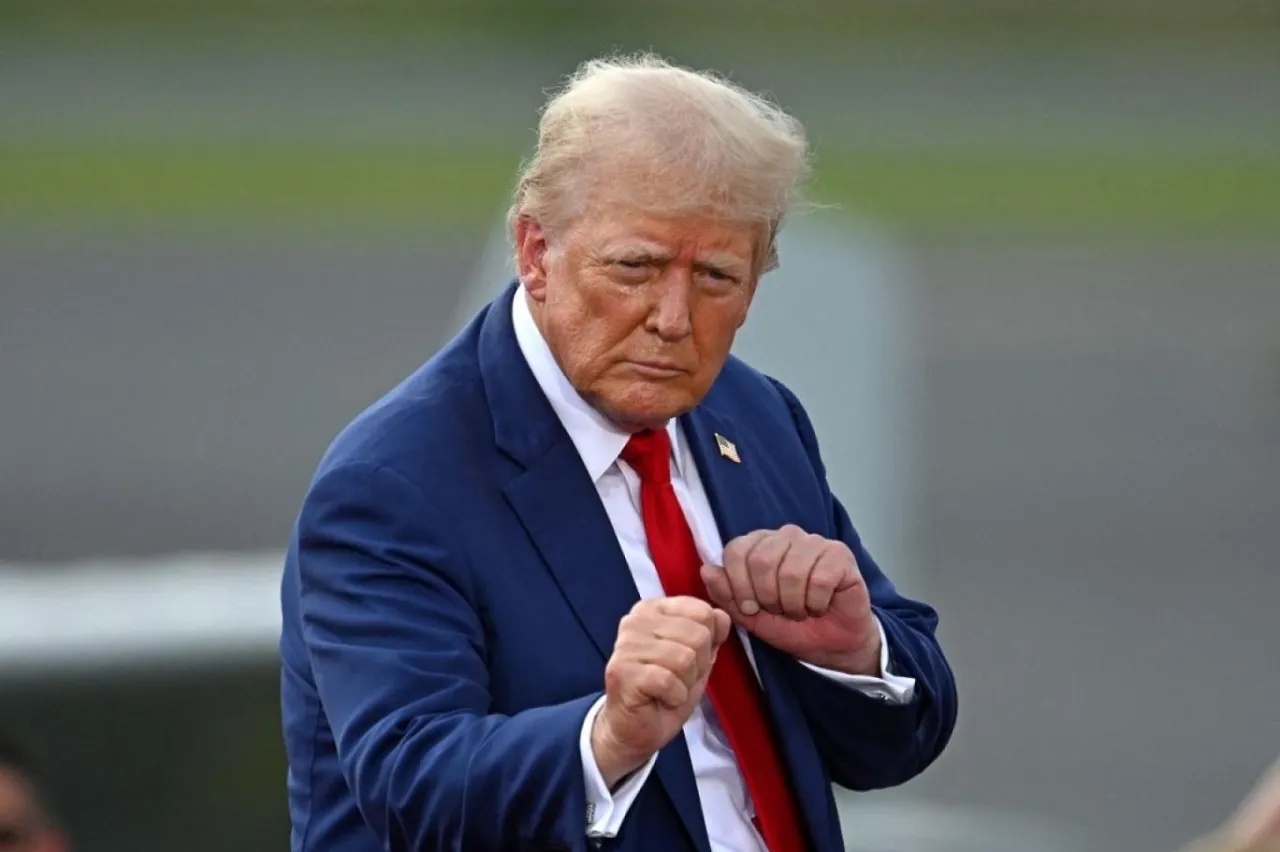
Khaberni - Media outlets published a version of the "Peace Council" charter, which identifies itself as an international body chaired by U.S. President Donald Trump and is concerned with reconstructing the Gaza Strip and fostering permanent peace in conflict areas.
The Vision and Principles
The charter affirms that sustainable peace is not built on perpetual dependence or failed institutions, but through empowering populations to determine their future and building fair international partnerships based on burden-sharing and responsibilities. The council aims to replace traditional peace-building models with a more flexible and effective model.
Goals
The Peace Council focuses on achieving stability, rebuilding good governance and the rule of law, and spreading best international practices in post-conflict management, in accordance with international law and its founding charter.
Membership
Membership is by invitation only from President Trump, and begins once a state agrees to adhere to the charter.
Like every country, its leader or head of government, the council does not oblige any member to participate in specific tasks without their consent.
Membership duration is three years (renewable), except for those countries contributing more than one billion dollars in cash in the first year, for which this duration does not apply.
Any country has the right to withdraw at any time, as does the president the right to terminate membership (with the possibility of objection by a two-thirds majority of the members).
Governance
The council consists of member states, each with one vote.
Decisions are made by the majority of those present, with the president's consent, who also has a voting right in case of a tie.
A voting meeting is held at least annually, and quarterly non-voting meetings to follow up on activities.
Trump has exclusive authority to form sub-bodies, appoint the executive council, and amend the council's structure or dissolve it.
The Executive Council
Appointed by the president from global figures, operating under his direct supervision.
Meets weekly in the first three months, then monthly.
Its decisions are implemented immediately, though the president has the right to veto them.
It presents quarterly reports to the general council.
Funding and Legal Status
The council is funded voluntarily by states and organizations.
It enjoys international legal personality, and has the right to own assets, open accounts, employ staff, and enter contracts.
Its members and employees are granted necessary privileges and immunities through agreements with host countries.
Charter Amendment and Dissolution of the Council
The charter can be amended with the approval of two-thirds of the members and the president’s ratification, while some articles (such as those related to structure or membership) require full consensus.
The president may dissolve the council at the end of each odd-numbered year unless renewed before November 21st of that year.
Commencement, Language, and Headquarters
The charter takes effect as soon as three countries join.
The official language is English.
The original text is deposited in the United States as the depository authority.
No reservations are allowed on the charter.
Political Background
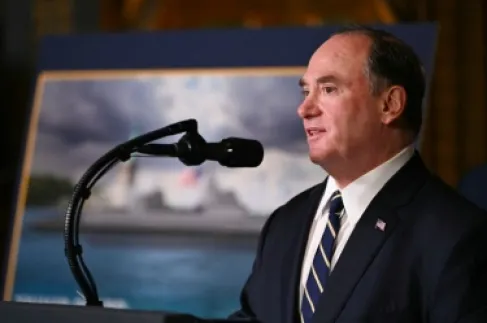
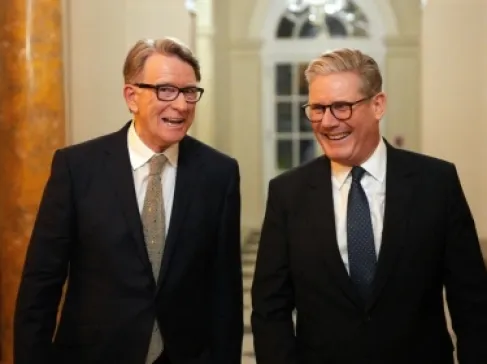
The White House announced the formation of the "Founding Executive Council," which includes U.S. Secretary of State Marco Rubio, envoy Steve Witkoff, Trump's son-in-law Jared Kushner, and former British Prime Minister Tony Blair.
This comes within the framework of a peace agreement mediated by the United States, which stipulates the temporary management of Gaza through a Palestinian technocrat committee, preparing for the transition of authority to a unified Palestinian entity, within a "reliable path towards a Palestinian state."