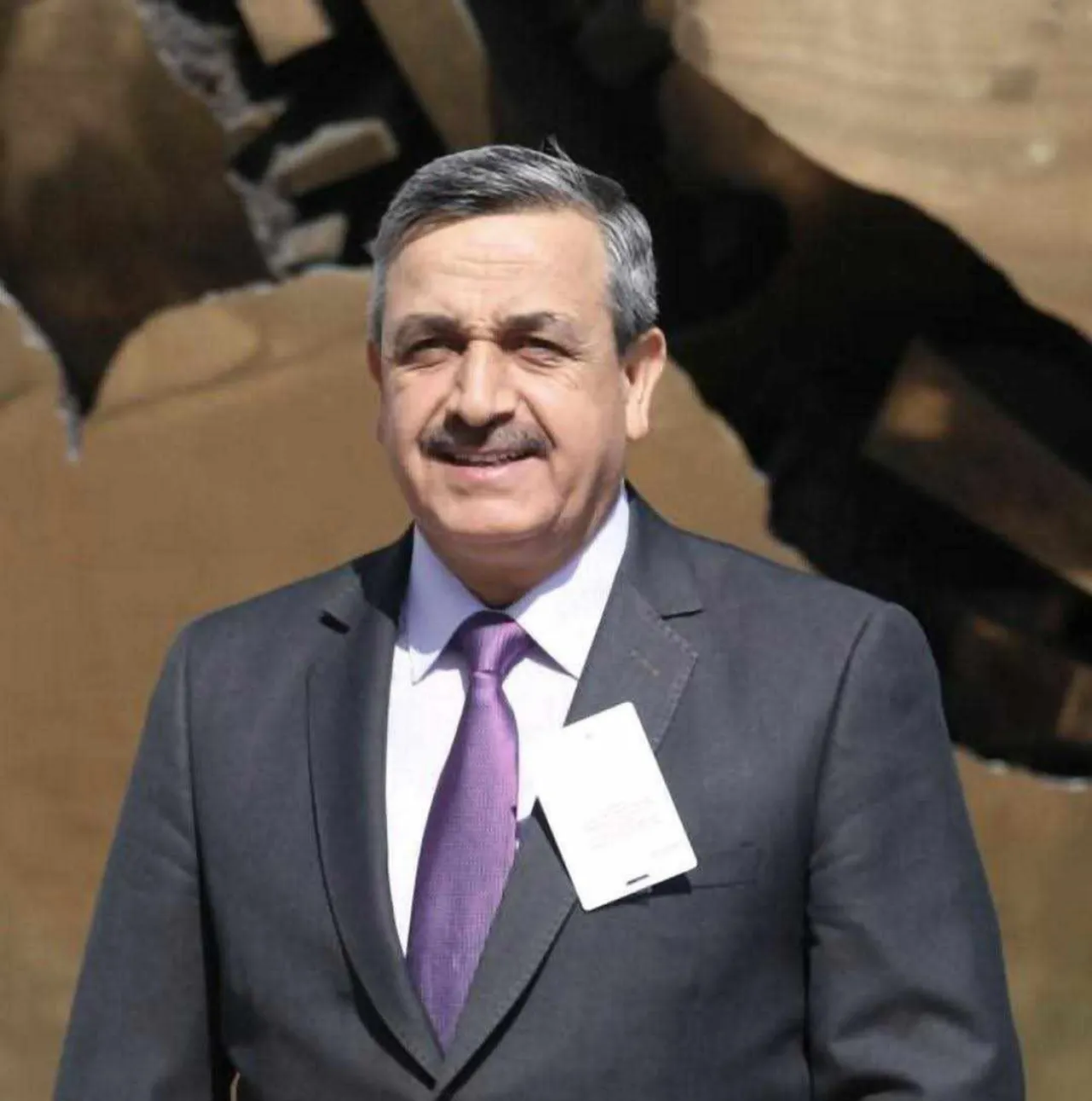
Brigadier General (Ret.) Dr. Zaid Hamadneh
The U.S.-Venezuelan crisis is not a transient event, nor merely a political clash. It cannot be reduced to the arrest of a president or a changing government but is rather a complete model of power struggle within the international system, an advanced stage in the surge of influence within Latin America, where geography intersects with energy, sovereignty with law, and drugs with politics. Ethical headlines are used to manage a silent strategic conflict.
Venezuela is located in the north of South America, overlooking the Caribbean Sea, bordering Colombia and Brazil, and owns one of the largest proven oil reserves globally, populated by around thirty million people. This position and energy influence have historically placed it within the vital domain of the United States, according to the "Monroe Doctrine" which views the continent as an extension of American national security.
The roots of the crisis began when Venezuela chose a political and economic path that opposed American domination, starting from the era of Hugo Chavez and continuing with Nicolas Maduro. Over time, domestic management errors accumulated, state institutions deteriorated, and externally, harsh sanctions accelerated the collapse, linking the internal crisis with external pressure to produce a chronic instability. The crisis has morphed into an open legitimacy conflict.
The United States declared that its intervention falls within combating drug trafficking and protecting national security and human rights. However, the striking paradox is that Venezuela is not the major drug corridor towards the United States, nor does it record the highest smuggling rates compared to other countries in the region. This contradiction indicates that the drug issue is used as a tool for political legitimization, not as a substantive reason for the clash. The undeclared objectives relate to resetting the balance of influence in Latin America, preventing the consolidation of Russian and Chinese presence in Washington's geopolitical flank, and indirectly controlling energy sources outside the Western system.
The arrest of President Maduro and his trial in American courts represents a serious shift in the logic of international relations. International law does not allow the pursuit of a sovereign state's president except through the International Criminal Court or by a decision from the Security Council. However, Washington chose the federal judiciary, not because it is the most legitimate framework, but because it is the most subject to its political will, proving that the logic of power now precedes the logic of legitimacy, and because it does not recognize the jurisdiction of the International Criminal Court when it does not serve its interests.
International reactions have revealed the depth of global division: countries in South America saw the move as a violation of sovereignty, Russia and China deemed it a dangerous precedent, the European Union opted for cautious diplomatic language, while the United Nations remained hostage to the balances of the Security Council.
What happened in Venezuela transcends Maduro himself. It is a direct test of the concept of a sovereign state, and the future of international law in a world that is gradually shifting from managing balance to managing chaos.
Strategic Conclusion:
We are facing a new model in international conflict, and Venezuela is not an exception, but a model that can be replicated. We are transitioning from an international system governed by rules to a system managed with "selective legitimacy," where the law is granted to those who serve balances and withdrawn from those who deviate from them. Venezuela today is not the target, but the message. The message clearly says: those who deviate from the norm are re-adjusted by force, not through dialogue.