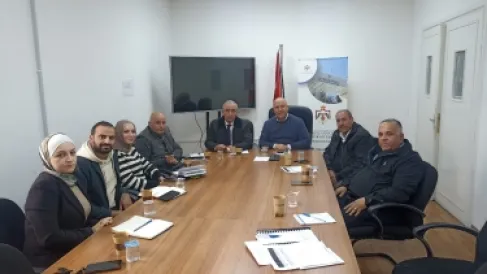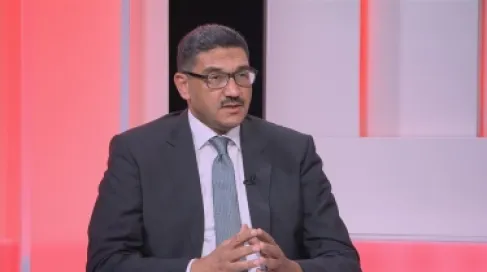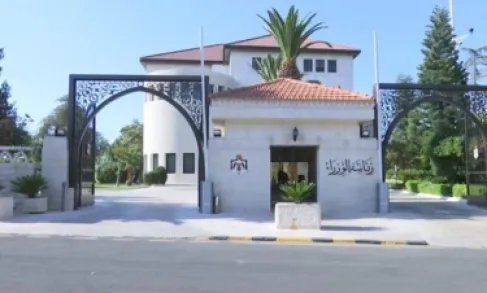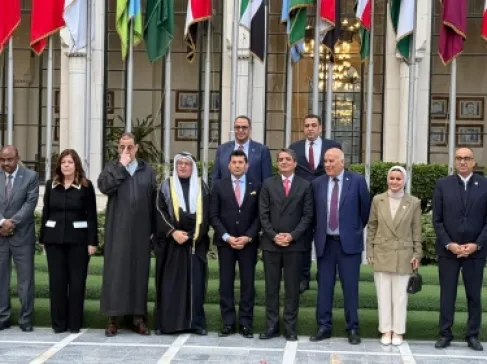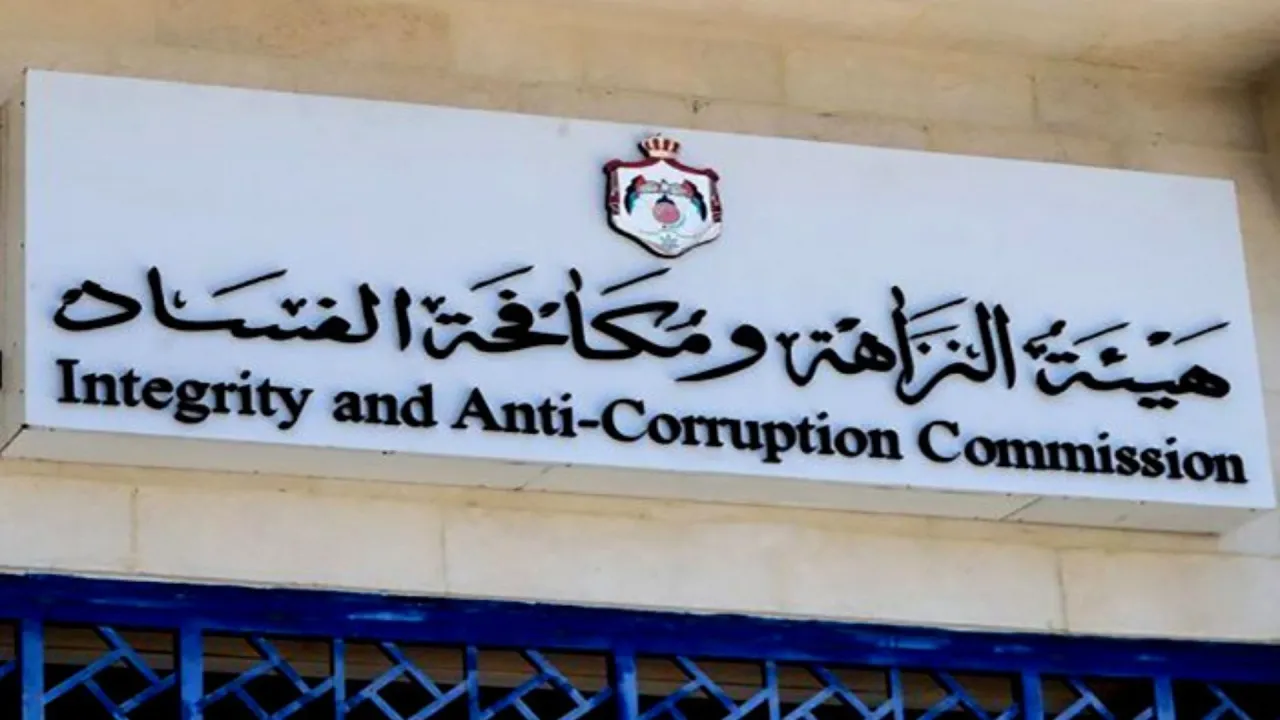
Khaberni - As part of the Kingdom's efforts to enhance integrity and combat corruption, the year 2025 witnessed significant activity in the performance of the Integrity and Anti-Corruption Commission; affirming Jordan's commitment to enhancing transparency and accountability, and achieving the vision of His Majesty King Abdullah II in modernizing the administrative, economic, and political pathways of the state, through reinforcing the institutional culture adopted by the board of the commission.
According to the Commission, the year 2025 saw intense activities that represented an advanced path in enhancing the national integrity system, elevating compliance levels, and establishing a culture of corruption prevention in state institutions and society, translated through a series of training programs, conferences, national and regional meetings, and awareness initiatives, collectively forming an integrated framework that reflects the efficacy of institutional work in governance and transparency.
In February of the past year, Jordan marked a notable advance on the Corruption Perceptions Index for 2024 according to Transparency International, rising by 3 points to rank 59th globally out of 180 countries, while the Commission activated the electronic system for the National Integrity Index matrix, aiming to enable public administration institutions to upload documents and data relating to the extent of their compliance with national integrity standards, and implemented a specialized training program including 121 official entities across the three regions, in addition to completing the first phase of the executive program for the national framework for cybersecurity, and training internal control employees in government institutions.
In the same context, the Commission urged ministries, official institutions, civil society organizations, and media outlets to support an awareness campaign it launched to introduce the new version of the National Integrity Index, and raise awareness about the importance of adhering to national integrity standards.
In April, the Commission held a high-profile regional conference in cooperation with the United Nations Development Program titled "Integrity of the Transport Sector in the Arab Region," sponsored by Prime Minister Dr. Jaafar Hassan, where the conference attendees adopted an initiative to establish a regional platform to support integrity in the transport sector in the Arab region.
Furthermore, the Commission announced the initiation of the "Integrity Ambassadors in Jordanian Universities" initiative, starting from the Applied Science Private University, with the aim of empowering youth to play an oversight and awareness role within their academic institutions.
In another context, an opinion poll conducted by the Center for Strategic Studies at the University of Jordan showed a significant increase in citizens' confidence in anti-corruption efforts, where the confidence rate in the Commission reached 81 percent.
Concurrently, the Commission participated in a regional workshop on utilizing data in combating corruption, sponsored the "Seeds of Integrity" event in Irbid which included a student march where they planted a thousand trees to enhance values of environmental citizenship and community responsibility, and the Commission signed a strategic memorandum of understanding with the Jordan Armed Forces "Arab Army" to enhance cooperation in areas of governance and integrity.
During the second cycle of the Integrity Index 2024-2025, the Commission launched the "Integrity Caravan", targeting 119 government entities with field tours to raise awareness on enhancing compliance with integrity standards, and concluded the month with a national meeting extensively to analyze inputs of the National Strategic Plan for Integrity and Anti-Corruption 2026–2030.
The Commission also signed a memorandum of understanding with the National Center for Cybersecurity and organized a distinctive event titled "Empowering Integrity in Digital Space", and launched "Cyber Aware" competitions to enhance digital culture among its employees, while conducting specialized training on digitization and cybersecurity in cooperation with the Higher Council for the Rights of Persons with Disabilities.
The Commission celebrated International Youth Day through the "Innovation in Integrity" event in partnership with Yarmouk University, where a new batch of participants in the "Integrity Academy 2025" graduated.
The Commission also signed a memorandum of cooperation with the Jordan Transparency Center Association and organized a training program for the faculty at the University of Jordan with 34 faculty members participating, and another program for several employees of the public administration, in addition to implementing 11 educational lectures across the three regions.
Additionally, the Commission announced the results of the second cycle of the National Integrity Index 2024–2025, showing an average commitment to integrity standards increased by more than 14 percent compared to the first cycle, which was regarded as a positive indicator of advancing governmental institutions' performance.
The Commission also signed a memorandum of understanding with the Jordan Design and Development Center, participated in the meeting of the Regional Network for Asset Recovery (MENA–AREIN) in Jeddah, and launched the "Digital Integrity... Effective and Sustainable Digital Transformation" campaign, along with organizing a joint event with the National Cyber Security Center including awareness competitions in cybersecurity and digital integrity.
Concurrently with the celebration of International Anti-Corruption Day held by the Commission in December of the previous year, launched on behalf of His Majesty King Abdullah II, Prime Minister Dr. Jaafar Hassan, the National Strategy for Integrity and Anti-Corruption for the years 2026 – 2030 under the slogan "Prosperous Jordan... The Essence of Integrity".
The Commission emphasized that royal sponsorship reflects the leadership's support for the reform efforts made by all supervisory bodies, to affirm their role in protecting public funds and establishing values of integrity in state institutions, and enhancing the culture of justice and honesty as the basis for national trust.
The achievements of 2025 for the Commission represented a qualitative leap in the work of integrity institutions, through enhancing transparency, developing institutional capabilities, expanding national and regional partnerships, integrating technology in evaluation and monitoring systems, and reinforcing preventive principles as the first line of defense against corruption.