Khaberni - Seeds are among the most beloved healthy foods that can be added to a diet for their multiple benefits, which include fiber, energy, digestion, and more. It should be considered that there is a vast world of available seed types that offer numerous health benefits, so it should not be limited to only consuming chia seeds, flax seeds, or even pumpkin seeds.
Hidden treasures
According to the Hindustan Times, Dr. Alok Chopra, a cardiologist with over 40 years of experience, highlighted the types of seeds that can be consumed in a post on Instagram, explaining their benefits, how to consume different types of them correctly, and what to avoid when eating them. Dr. Chopra wrote: "They are not just seeds, but they are hidden treasures for balance, immunity, digestion, and vitality over the long term."
1. Flax seeds
Support hormone balance and digestion and are rich in omega-3 fatty acids. It is recommended to always grind flax seeds before eating them, and they can be added to smoothies, yogurt, and oatmeal.
However, the consumption of whole flax seeds should be avoided if the person suffers from diarrhea because they are indigestible.
2. Chia seeds
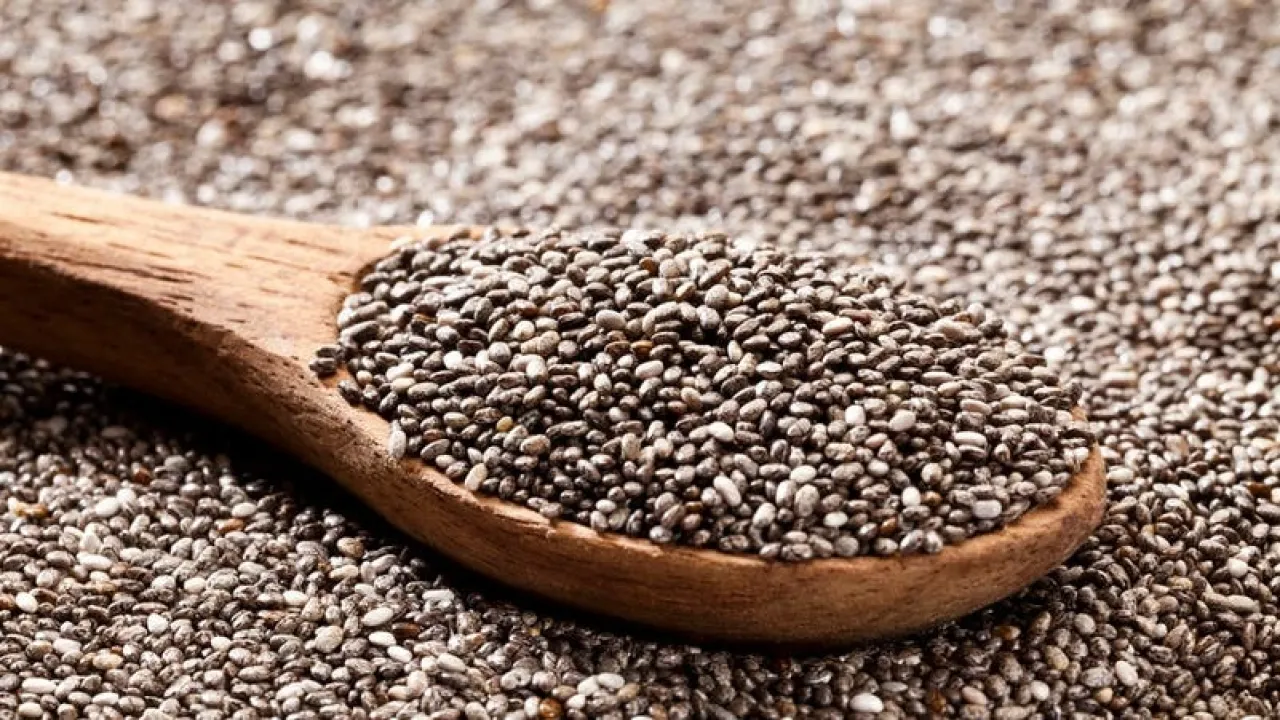
Eating chia seeds leads to hydration, fiber, and energy. Experts recommend soaking chia seeds for about 30 minutes to two hours, then drinking chia water or adding it to desserts.
And be careful about consuming dry chia seeds as they can cause bloating or pose a risk of choking.
3. Pumpkin seeds
Pumpkin seeds are known for their zinc content and significantly contribute to boosting the immune system. A small amount of roasted pumpkin seeds, equivalent to one to two tablespoons, can be consumed daily, or sprinkled on salads or snacks.
Dr. Chopra explains that pumpkin seeds are high in calories, so he warns against overeating them if the person is trying to lose weight.
4. Yellow watermelon seeds
Yellow watermelon seeds are known for their benefits in improving digestion and supporting heart health. They can be eaten raw or roasted, but should be consumed in moderation.
5. Lotus seeds
Lotus seeds provide a feeling of fullness and are rich in protein, helping maintain body and mind balance. They are roasted with clarified butter and eaten as a snack.
Dr. Chopra advises against canned, spiced varieties, as they are high in sodium.
6. Sesame seeds
Sesame seeds contain high levels of calcium and are beneficial for skin and hair. Sesame seeds should be lightly roasted before consumption. It is preferred to avoid excessive consumption during summer if the person easily feels hot.
7. Fennel seeds
Among the most important benefits of fennel seeds are improving digestion and freshening breath. They are chewed after meals or added to warm water.
8. Coriander seeds
Coriander seeds slightly aid digestion and reduce bloating. It's recommended to soak them overnight and drink the water after filtering.
9. Sunflower seeds
Sunflower seeds are rich in vitamin E, hence, they are very beneficial for skin and heart health. Sunflower seeds can be consumed alone after light roasting or can be added to salad dishes or yogurt. Dr. Chopra emphasizes the need to avoid salted varieties as they contain a high level of sodium.
10. Watermelon seeds
Watermelon seeds are distinguished nutrients because they are rich in magnesium and iron, and are an excellent source of plant protein.
Roasted seeds can be consumed, or they can be added to a mix of nuts and dried fruits. And since they are high in calories, Dr. Chopra advises moderation in quantity.