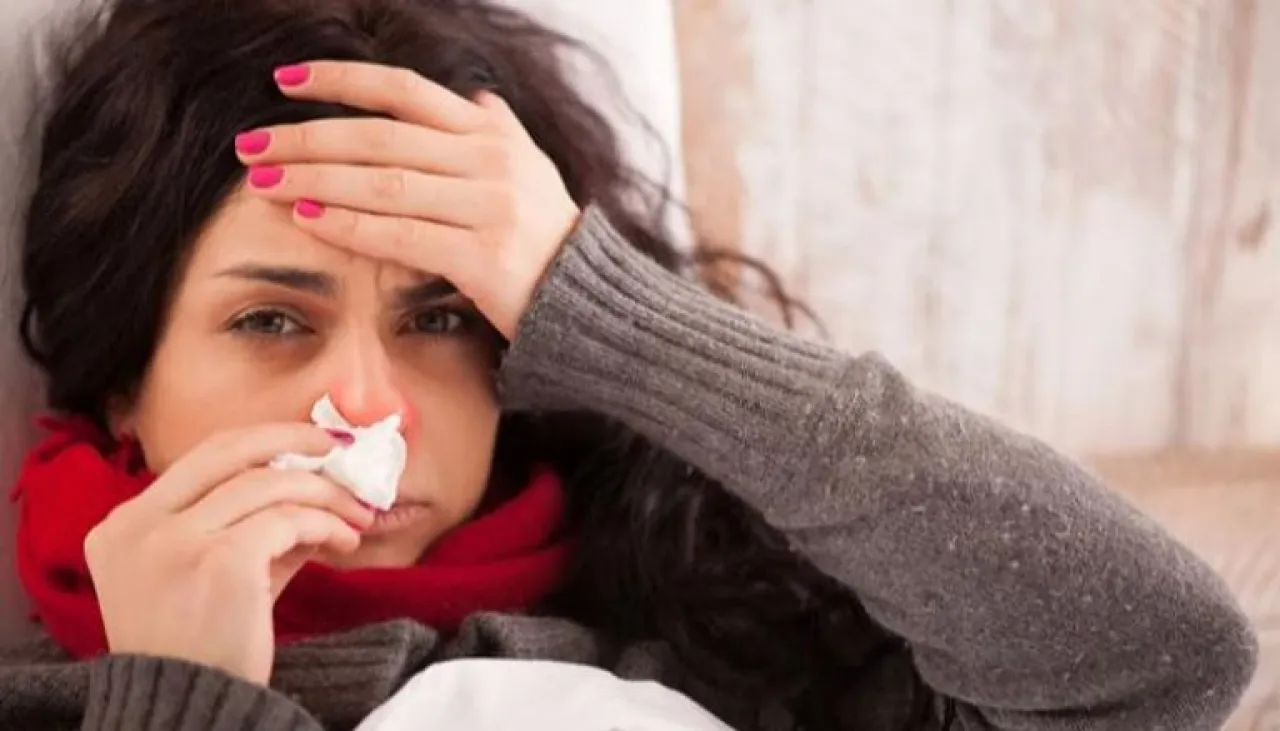
An expert attributed the increase in influenza cases globally this season to the neglect of infection control measures.
Tamer Salem, a professor of virology in Zewail City, says that these measures (vaccination, isolation, and improved ventilation) were vital lessons learned from the "COVID-19" pandemic, yet there appears to be a clear failure in applying them.
Salem explains: "Influenza does not affect everyone in the same way, as some groups are more susceptible and others less so, and this is important for taking appropriate preventive measures. Ignoring these differences can be costly, and this is one of the lessons we learned during COVID that is still valid today."
The differences lie in how the infection is transmitted, as the ways or likelihood of an individual contracting influenza can vary depending on age, health status, immunity, or the surrounding environment, and these differences also surface in the groups that actually get sick, as some groups are more prone to the disease than others, such as the elderly, pregnant women, or people with chronic diseases, while others may experience the disease with minimal impact.
Addressing this reality requires focusing on vaccination against influenza, especially for the more susceptible groups, adding: "We know that vaccines are not a guarantee for full protection against infection, but when applied broadly, they help keep schools open and hospitals able to cope with the pressure."
Isolation is another fundamental element, where many workers cannot stay at home when sick due to work commitments, says Salem: "Influenza patients should be given paid leave to encourage isolation measures, because without them, the situation cannot be controlled."
Finally, ventilation constitutes the third pillar, and despite calls to invest in clean air systems in schools, offices, and public places, actual change is minimal.
Salem says: "We had hoped that COVID would make clean air a priority in the 21st century, but this has not happened yet."
He stressed that the pressures of winter require more than just individual responsibility, urging governments to implement support measures that enable people to take the right actions, otherwise, schools will close, hospitals will collapse, and lives will be lost.
He concluded by saying: "The challenge is not knowing what to do, but making everyone able to do it, as governments must act to support responsible behavior, or we will witness severe consequences on public health."