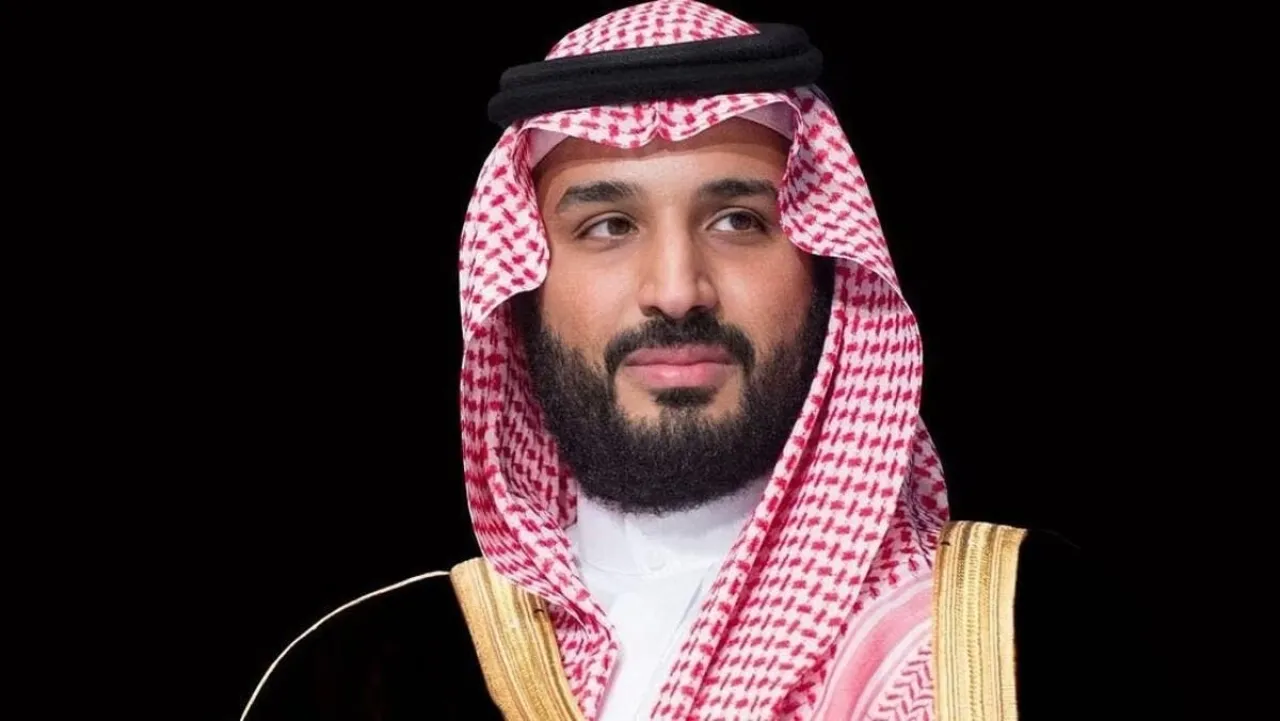
Khaberni - The Saudi Cabinet, chaired by Crown Prince Mohammed bin Salman bin Abdulaziz Al Saud and following the submission by the Economic and Development Affairs Council, adopted the decision to cancel the financial fees that were due on expatriate labor in licensed industrial establishments.
The decision to cancel the financial fees on expatriate labor in licensed industrial establishments is a continuation of the support and empowerment that the industrial sector receives from the Crown Prince, where the industrial sector forms a basic pillar in achieving the targets of Saudi Vision 2030 and is considered a main driver of economic development in the Kingdom. Furthermore, the decision reflects the belief in the importance of this strategic sector and the commitment to continuing the success achieved during the first and second exemption periods.
The abolition of financial fees on expatriate labor in industrial establishments reflects the Crown Prince's attention to this vital sector and is a decisive step to enhance the competitiveness of the Saudi industry internationally, and to increase the penetration and spread of non-oil exports in various global markets. This facilitates industrial establishments to invest in developing their operations and increasing productivity, alongside its role in providing more job opportunities.
The industrial sector is considered one of the strategic sectors that are appealing within Saudi Vision 2030, due to its promising investment opportunities and extensive governmental attention, which was manifested in the abolition of financial fees on expatriate labor in industrial establishments. It also has enabling factors in the industrial and mineral wealth system that help in creating a broad industrial base and continuing the economic growth of the Kingdom, increasing the penetration and spread of non-oil exports in various global markets, and enabling industrial establishments to invest in developing their operations and increasing productivity.
The decision also aims to stimulate the growth of small and medium-sized industrial establishments and to alleviate financial burdens on them, emphasizing their importance in driving continuous growth in the industrial sector and contributing to ensuring their continuity and development in the long term, enabling adaptation of Fourth Industrial Revolution technologies such as automation and production efficiency through programs and incentives launched by the industrial system, including the Future Factories program.
Significant leaps
The government seeks to enhance the growth of the industrial sector in the Kingdom, based on the successes achieved during the previous two exemption periods, during which the sector made significant leaps from 2019 to the end of 2024, raising the number of industrial establishments from 8,822 factories to more than 12,000 facilities, and increasing the total value of industrial investments by 35%, from 908 billion Riyals to 1.22 trillion Riyals. Non-oil exports grew by 16% reaching a value of 217 billion Riyals, and jobs grew by 74%, from 488,000 employees to 847,000 employees, while the localization rate rose from 29% to 31%, and the industrial GDP grew by 56% from 322 billion Riyals to more than 501 billion Riyals, as a result of the significant support provided by the industrial and mineral wealth system from the leadership.
The decision to cancel the financial fees on expatriate labor in industrial establishments affirms the Kingdom's commitment to achieving its vision of becoming a global industrial leader, including tripling the industrial GDP to reach 895 billion Riyals by 2035, launching more than 800 investment opportunities valued at a trillion Riyal, in addition to enabling international investments in various industrial activities and creating legislation that ensures sustainability and stability.
Strategic step
In this context, Minister of Industry and Mineral Resources Mr. Bandar Bin Ibrahim Al-Khorayef expressed his sincere thanks and gratitude to the wise leadership following the Cabinet's decision to approve the cancellation of the financial fees on expatriate labor in licensed industrial establishments.
Al-Khorayef said, in a statement to the Saudi Press Agency "SPA", that the decision is an extension of the ongoing support for the industrial sector, as it is a fundamental pillar for diversifying the economy according to "Saudi Vision 2030". He indicated that this step would contribute to enhancing the competitiveness of Saudi industry and increasing the spread of non-oil exports in global markets.
Enhancing industrial competitiveness
Al-Khorayef also emphasized that the state assuming the financial fees during the past six years (from October 2019 to December 2025) played a pivotal role in achieving significant leaps; where the number of factories increased from 8,822 to more than 12,000 factories, and industrial investments increased by 35% to reach 1.22 trillion Riyals.
Non-oil exports also saw growth at a rate of 16% reaching a value of 217 billion Riyals, and jobs grew by 74% bringing the number of employees from 488,000 to 847,000 employees, with the localization rate rising from 29% to 31%.
He noted that the decision to cancel the financial fees will enhance sustainable industrial development and reduce operational costs, enabling factories to expand and adopt automation and artificial intelligence technologies.
He stressed that the industrial GDP achieved a growth rate of 56% surpassing 501 billion Riyals, emphasizing that these achievements reflect the Kingdom's commitment to becoming a global industrial leader.
The ministry targets, in the coming period, to provide 800 investment opportunities valued at a trillion Riyal, and to triple the industrial GDP by 2035 to reach 895 billion Riyals, in a way that maximizes the role of the sector in the national economy and attracts more international investments and advanced technologies.
And the economic expert Dr. Ali Boukhamseen stated that the recent decision is likely to have deeply positive and long-term effects on the industrial sector and the Saudi economy in general, noting direct and indirect impacts that will reflect on the performance of the industrial sector and its sustainability.
Boukhamseen explained in an interview with "Al Arabiya Business", that among the most direct effects of the decision is enhancing the ability of the industrial sector to achieve tangible growth, in addition to increasing its competitiveness against imported industries, and supporting the sustainability of the sector by significantly reducing operational costs, which positively reflects on the efficiency of production and profitability of factories.
He pointed out that the Kingdom houses about 10,000 factories employing approximately 1.4 million employees within the industrial sector, reflecting the large size of the beneficiary group from this decision, and its direct role in supporting the success of the industrial sector and enhancing its ability to meet its targets.
Boukhamseen affirmed that this step contributes to enabling the industrial sector to more easily achieve the targets of Saudi Vision 2030.