Khaberni - Khaberni - Professor Olga Tkatchiova, a corresponding member of the Russian Academy of Sciences, indicates that the elderly are the most vulnerable, as about 80% of them suffer from at least one chronic disease.
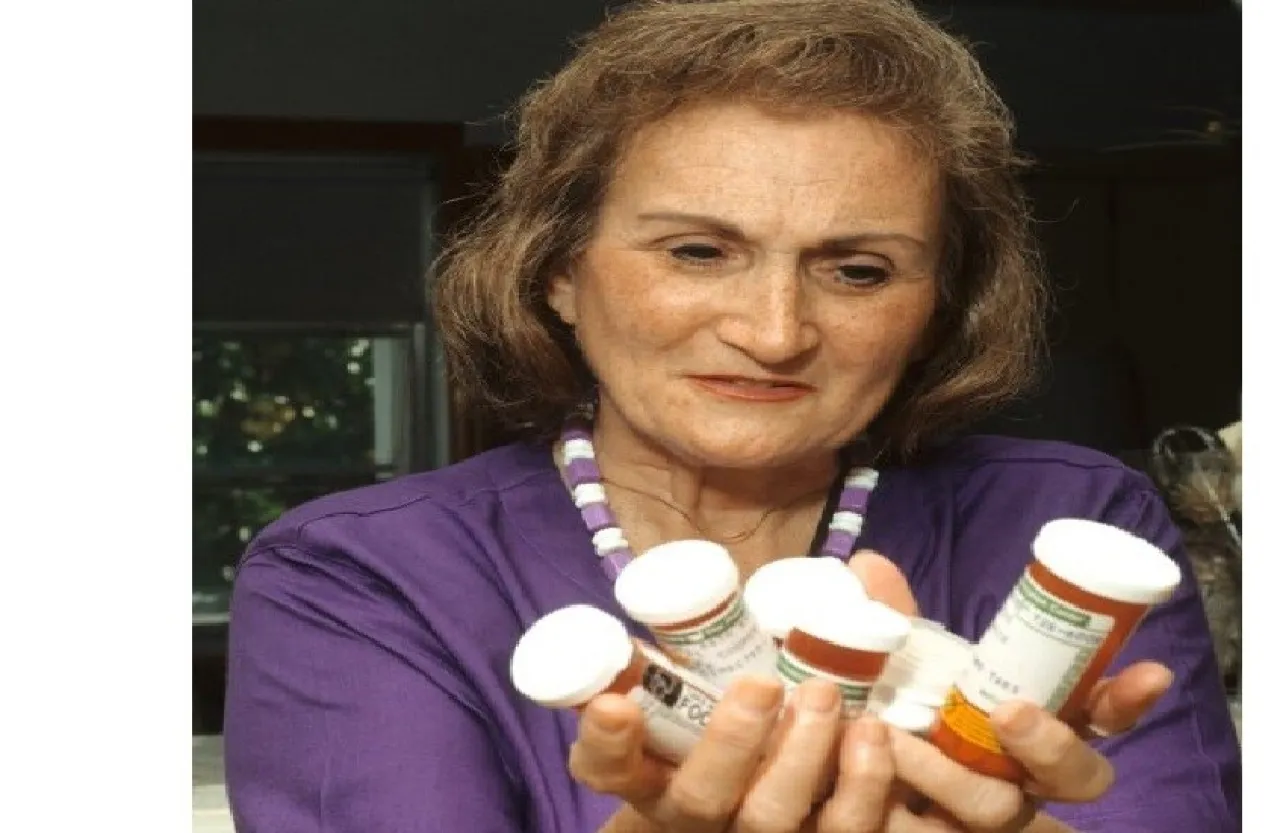
According to Professor Olga Tkatchiova, the elderly are forced to take medications regularly, but committing two common errors during this process can lead to their hospitalization: refusing to take prescribed medications or independently reducing the dose, and taking medications irregularly based on friends' advice.
Professor points out that medication errors lead to hundreds of thousands of emergency room treatments annually, many of which could be avoided by adopting a responsible approach to treatment. Among the elderly, there are two extreme patterns: some patients forget or refuse to take prescribed medications, while others take multiple medications without medical supervision based on friends' advice. Both behaviors lead to severe consequences, as neglecting medications for high blood pressure or diabetes can exacerbate the condition and threaten life, while taking multiple medications simultaneously without medical supervision increases the risk of drug interactions and leads to a deterioration of quality of life.
In addition, the elderly often fall victim to commercial advertisements, purchasing "miracle" drugs or dietary supplements widely promoted without a prescription or sufficient medical knowledge.
Furthermore, Professor asserts that combining the intake of fatty foods, lack of sleep, and using multiple medications without medical supervision leads to worsening of the health condition, as drug interaction increases side effects.
Professor Tkatchiova advises relatives of the elderly to assist them and remind them of the timing and manner of taking prescribed medications correctly, while refraining from adding any new medications without the prescription of the attending physician.