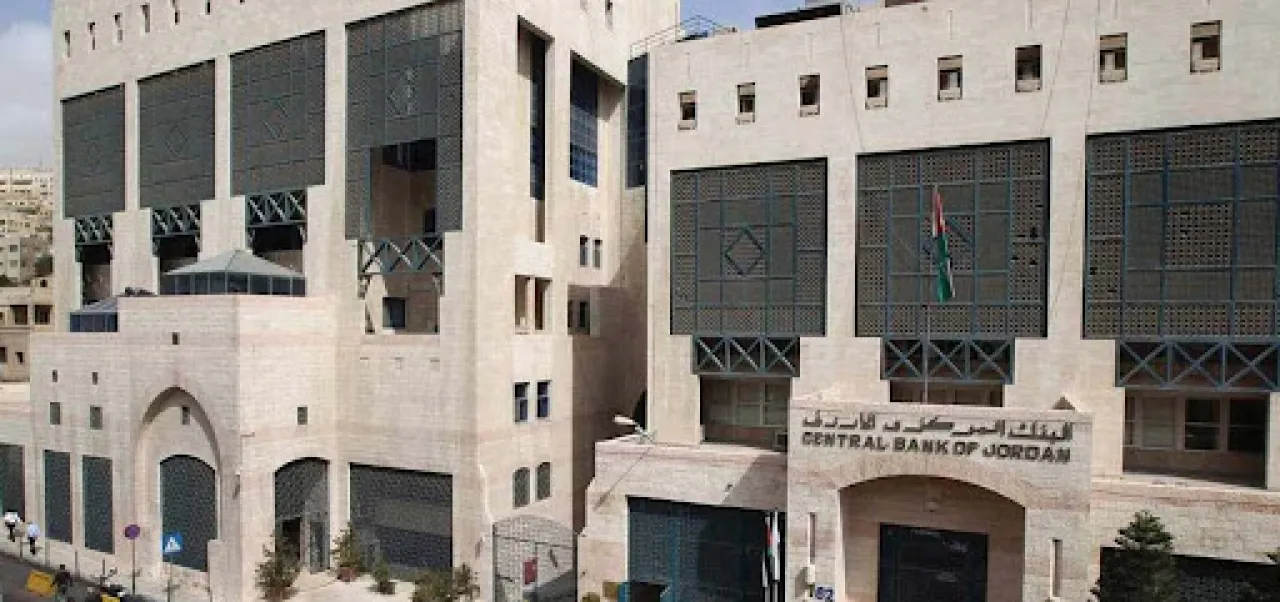
Khaberni - Amid global economic fluctuations and increasing regional and international financial pressures, the Jordanian dinar continues to maintain its stability, supported by a prudent monetary policy and independent institutional management that have enabled the national economy to overcome unprecedented challenges in recent years.
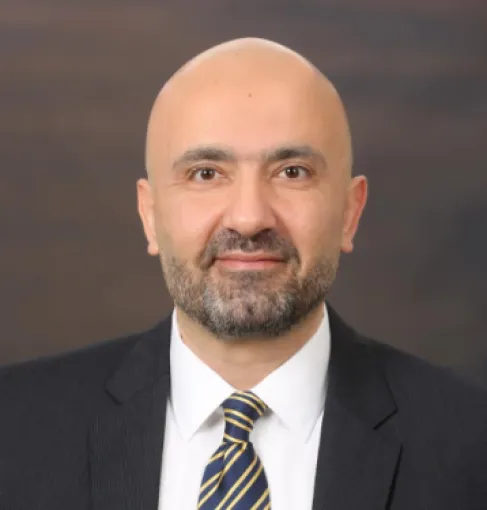
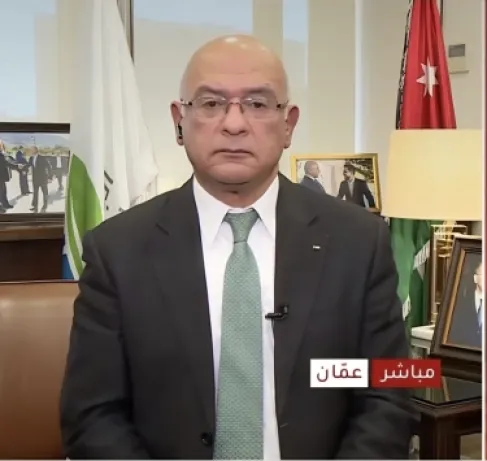
In this context, the Governor of the Central Bank of Jordan, Dr. Adel Al-Sharkas, provided an in-depth analysis of the monetary stability in the Kingdom in an interview with Petra News Agency, emphasizing that the rise in foreign reserves to over $24.6 billion was not the result of a temporary situation or flows, but the fruit of an integrated approach in managing monetary policy, which relied on proactivity, flexibility, and effective utilization of the bank's tools, preempting global changes and not merely reacting to them.
Al-Sharkas explained that the monetary stability system in Jordan has proven its resilience against unprecedented financial and regional pressures, starting from the disturbances that hit global markets over the past three years, through the fluctuations in global interest rates, to the geopolitical tensions affecting the region.
He pointed out that the bank’s ability to boost its reserves from about $18 billion to more than $24.6 billion in a short period reflects the robustness of Jordan's economic foundation and the success of the financial system in generating sustainable foreign currency surpluses through various channels, including national exports, remittances from workers abroad, tourism sector revenues, and direct foreign investment, alongside natural banking market flows.
He emphasized that Jordan’s success in safeguarding its monetary stability was not a given reality, but the result of wise management based on institutional independence that enabled the bank to make decisions independently from immediate pressures or short-term considerations, explaining that monetary policy in Jordan is managed according to a precise scientific approach that monitors global developments moment-by-moment, keeping track of major central banks’ movements, international market fluctuations, and future trends in interest rates, inflation, and liquidity, ensuring that decisions are gradual and balanced to maintain exchange rate stability and financing costs without jeopardizing the economy.
He confirmed that the bank’s independence is not just a legal text but a daily practice that enhances the bank's ability to protect the dinar and maintain a competitive level of reserves and credit, noting that this independence has been and still is one of the main sources of economic strength and a pivotal element in enhancing the confidence of local and foreign investors, as it establishes a stable financial environment whose compass does not change with political mood or current preferences, but remains strictly committed to its primary goal of protecting the dinar's value and ensuring the financial system's stability.
He explained that Jordan's monetary policy has long been based on the principle of proactivity and shielding the local market from external shocks, which has enhanced investor confidence in the soundness of the monetary approach and the stability of the financial frame, noting that the dinar has maintained its stability since 1995, and that this stability was not merely a slogan but a strategic commitment that formed the basis for the bank's policies in managing interest rates, reserves, or regulating bank activity.
He mentioned that the strength of the dinar is the cornerstone of the Jordanian business environment, enabling investors to plan long-term without exposure to exchange rate volatility risks, and enhancing the Kingdom's competitiveness in attracting capital looking for stable and protected markets, adding that Jordan’s positive credit rating, high banking sector solvency, and tight regulatory frameworks collectively support this financial stability.
He clarified that the financial sector in Jordan is undergoing a qualitative transformation supported by an advanced technological infrastructure developed by the bank over recent years, emphasizing that the digital payments ecosystem has become a pivotal part of the economic cycle, with the “eFAWATEERcom” system managing annual transactions exceeding $21 billion, while “Kleek” transactions surpassed $17 billion, alongside the expanding use of bank cards and electronic wallets, which has helped broaden financial inclusion, increase transparency, and reduce transaction costs.
He noted that these digital transformations were not just a technical update but a broad economic project that contributes to accelerating money movement, activating productive sectors, facilitating commercial and service operations, and thus boosting the confidence of institutions and investors in the efficiency of Jordan's financial infrastructure and its capacity to accommodate the growing demand for electronic services.
He emphasized the bank's utmost prioritization of cybersecurity by establishing a strict regulatory system to protect the financial infrastructure from any threats, noting that Jordan is among the first countries in the region to have succeeded in building a comprehensive framework for banking cybersecurity through the use of advanced technologies, training personnel, and subjecting the sector to regular tests to enhance readiness and prevention.
Al-Sharkas discussed interest rate developments, explaining that Jordan’s monetary policy takes into account the historical relationship between the dinar and the dollar, but is also based on continuous assessment of local economic conditions in terms of levels of economic activity, liquidity, and credit trends.
He confirmed that any decision taken in this regard primarily aims to protect monetary stability, and that the Central Bank has succeeded over the years in achieving a precise balance between the needs of the real economy and the requirements to maintain the exchange rate.
He mentioned that the Jordanian economy is witnessing a gradual transformation from a recovery phase to a phase of real growth, with growth expected to reach about 3 percent in 2026 and to exceed 4 percent by 2028, noting that the bank’s foreign reserves exceeded $24.6 billion, a historic level that covers about 110 percent of the Kingdom’s obligations according to the adequacy standard adopted by the IMF, which supports exchange rate stability and enhances confidence in the economy.
Al-Sharkas revealed that direct foreign investment flows grew by 36 percent during the first half of the year, expecting this momentum to continue in light of improved regional conditions and ongoing monetary and financial stability, noting that the decline in dollarization to 17.9 percent after it was 24 percent reflects growing confidence in the dinar and the followed monetary policy.
He affirmed that Jordan stands on a more solid monetary and financial base, and that the strength of the economy is no longer measured solely by growth rates, but by its ability to manage risks, contain shocks, and provide a safe and stimulating environment for investment and economic activity.