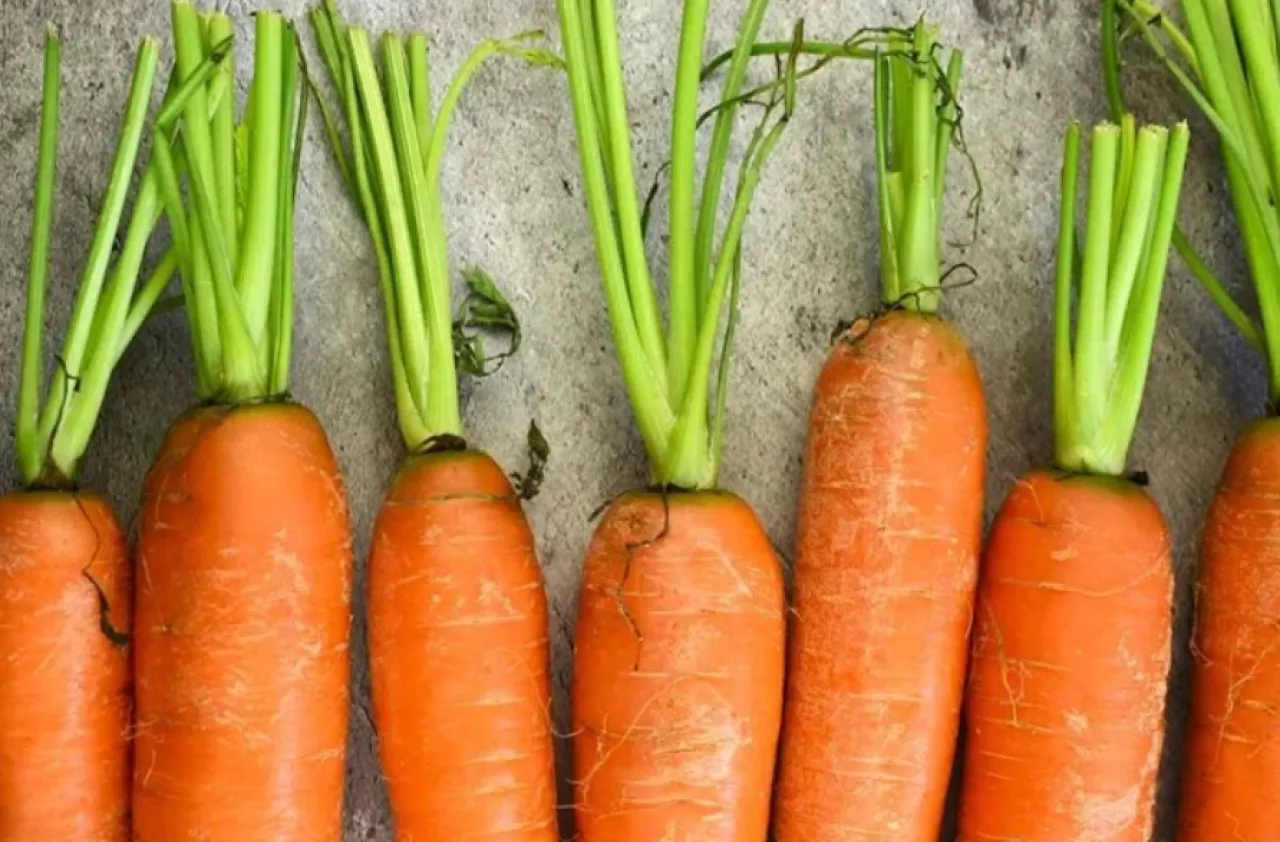
Khaberni - The saying "Carrots improve sight" is well-known, and this idea is based on the richness of carrots in beta-carotene, which is a nutrient that is converted by the body into vitamin A. However, how significant is the impact of this vitamin on vision? And how does this vitamin function?.
According to Dr. Philip D. Kaiser, Professor of Ophthalmology at the University of California,: "Vitamin A, also known as retinol, is a fat-soluble vitamin essential for human vision. Inside the eye, it is converted to a derivative called 11-cis-retinal, which allows the retina to perceive light that we consciously recognize as an image".
Low light and supplements
According to "Free Will Health", if a person has a vitamin A deficiency, their vision will be affected, particularly their ability to see in low light.
In such cases, taking vitamin A supplements may help restore normal vision function.
Humans cannot synthesize vitamin A by themselves; instead, they obtain it from their diet in two forms:
1. Ready-made vitamin A, naturally found in animal foods or fortified in some foods like milk and cereals.
2. Molecules that are precursors to vitamin A, known as pro-vitamin A carotenoids, such as beta-carotene.
Besides carrots rich in beta-carotene, other sources include sweet potatoes, bell peppers, cantaloupes, and dark leafy greens.
Both ready-made vitamin A and pro-vitamin A carotenoids are used in dietary supplements.
Who needs vitamin A supplements?
Healthy individuals following a balanced diet can get enough vitamin A from food and do not need supplements.
However, vitamin A is essential for fetal growth and newborns, so pregnant and breastfeeding women need to get enough of it.
Excessive intake of ready-made vitamin A, whether from dietary supplements or foods like liver, can be harmful and may damage the liver.
However, there is usually no need to worry about overconsumption of vitamin A from plant sources, such as foods rich in carotenoids. The intestines have mechanisms to limit the body's absorption of these plant forms when you already have enough vitamin A.
How can I protect my vision?
There are molecules associated with beta-carotene known as "yellow spot pigments" that help protect the retina from harmful blue light and oxidative stress.
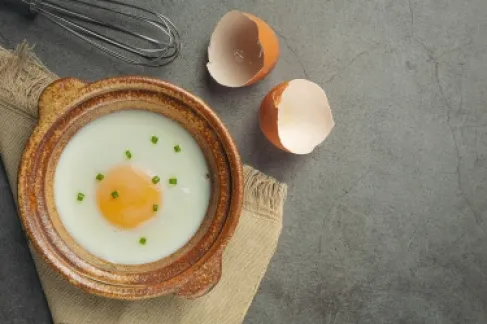
These compounds, called lutein and zeaxanthin, are found in foods such as mangoes, egg yolks, corn, and green leafy vegetables.
It is believed that getting enough of these compounds helps prevent certain retinal diseases, such as age-related macular degeneration