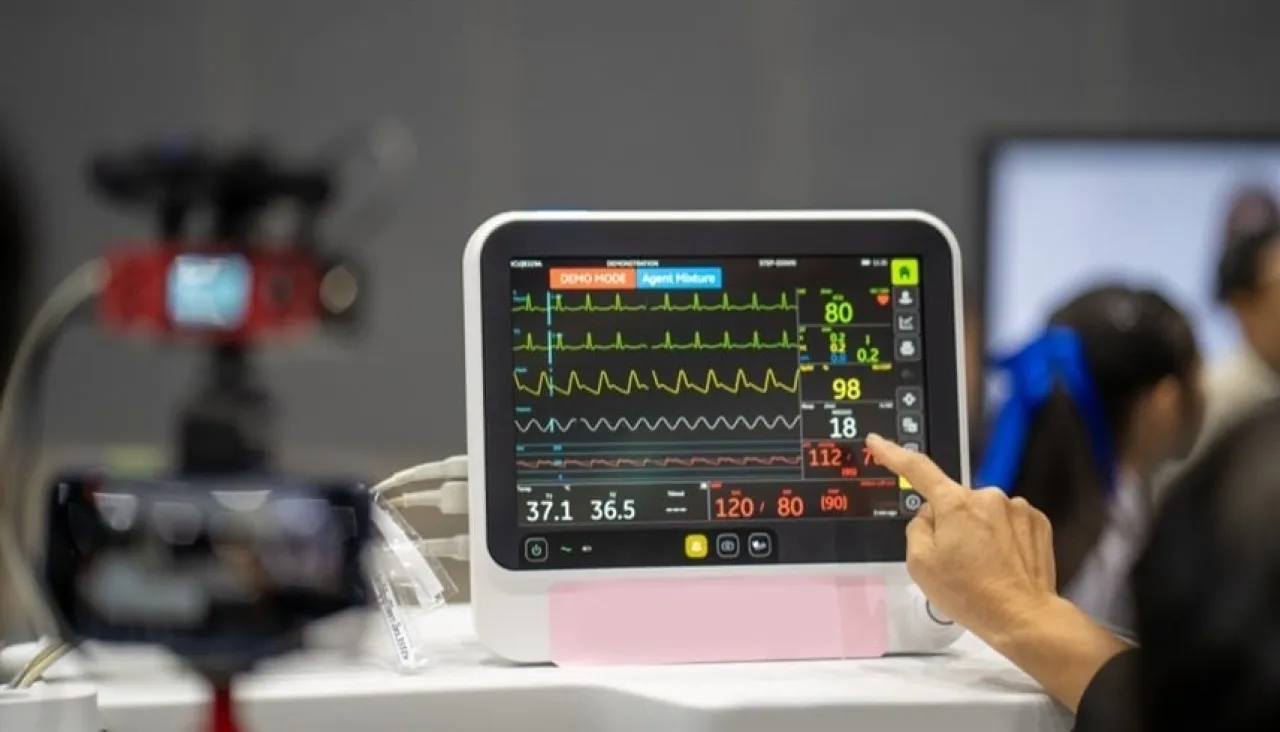
Khaberni - Researchers at Bielefeld University analyzed the reliability of artificial intelligence technologies in monitoring pulse rate from simple video recordings. This technology, known as rPPG (remote photoplethysmography), is a form of optical, contactless pulse measurement, and the analysis revealed clear weaknesses as soon as the heart rate increased.
Remote photoplethysmography technology is considered a promising tool in the field of remote medicine. For remote medicine to be practical, digital diagnostic tools must operate efficiently, even under challenging conditions.
According to "Medical Express," the research team examined the accuracy of modern artificial intelligence technologies in estimating pulse rate from facial video recordings.
Facial color changes
This measurement is made by monitoring slight changes in skin color caused by blood flow.
This technology aims, for example, to reduce the workload in medical clinics or to automatically detect stress in daily situations.
Since previous studies of this technology mostly relied on blood pressure measurements in ideal conditions with participants sitting in good lighting and using steady cameras, the researchers this time focused on real-world scenarios.
Dr. Hanna Dremala from Bielefeld University said: "We wanted to find out if these methods truly live up to their promises, especially when heart rates are elevated. Because it is precisely in such moments that they are of utmost importance."
The results were surprising; while low lighting does not significantly affect automatic measurements, accuracy sharply decreases when heart rates are high in realistic lighting.
Some measurements produce values that are not usable in remote medical applications.
The importance of the findings for digital medicine
Given the rapid expansion of digital health services, researchers warn against the unmindful use of these technologies. If artificial intelligence methods incorrectly estimate stress or heart problems, it could lead to real risks, whether for doctors or their patients.
Therefore, the study emphasizes that remote blood pressure measurement carries significant potential, but the methods must become more accurate and reliable.