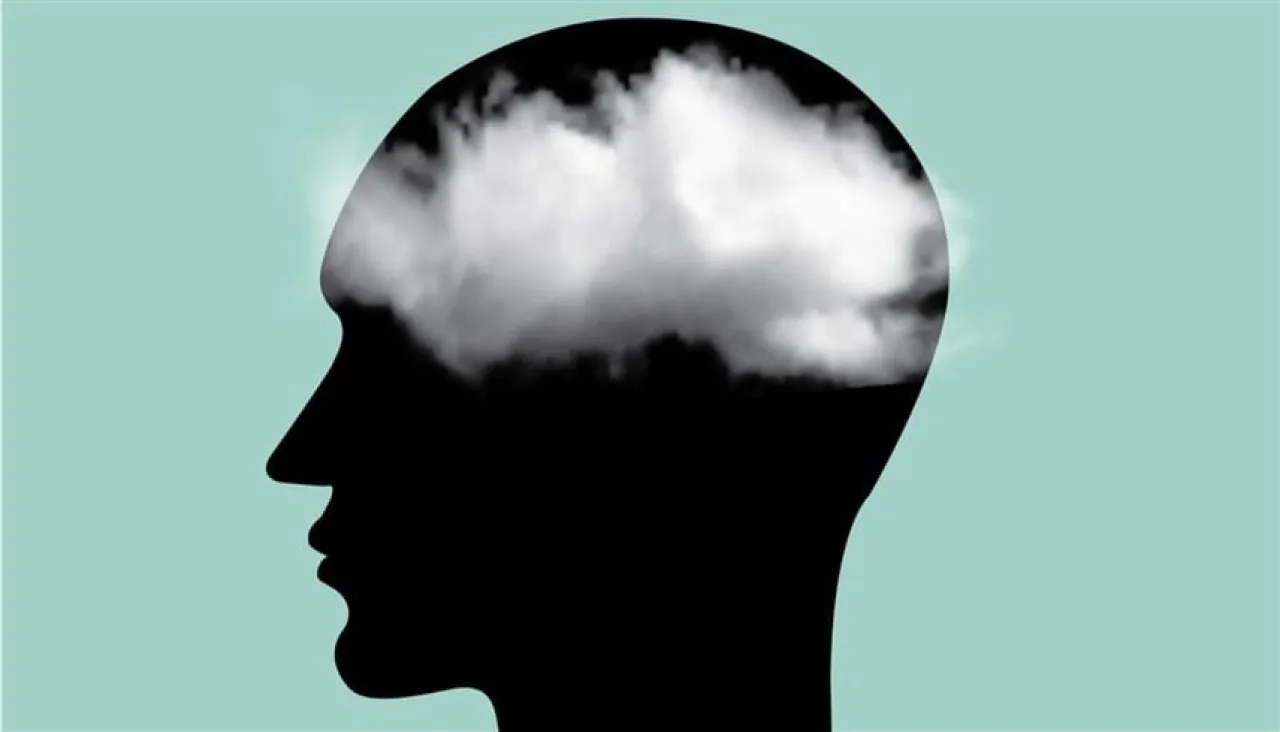
Khaberni - Have you ever found yourself searching for a word you should know, forgetting what you were just doing, or experiencing mental fogginess for no apparent reason? These daily episodes are common and are often either a normal part of life or a sign that we may be tired or stressed.
Autoimmune encephalitis affects 14 people out of every 100,000
For some individuals however, these could be early signs of a rare condition called autoimmune encephalitis. This occurs when the body's immune system mistakenly attacks the brain, causing inflammation and swelling.
According to the "Independent" newspaper, autoimmune encephalitis can occur at any age, and is more common than previously thought. Sometimes it follows a viral infection, but in many cases, the exact cause is unknown.
Autoimmune encephalitis is rare, affecting up to 14 people out of every 100,000 annually. However, with improved awareness and diagnostic practices, doctors now recognize that it is more common than previously believed.
Thinking, Emotions, and Memories
Autoimmune encephalitis disrupts some of the brain's normal functions, affecting how people think, remember, and process information.
Often, the inflammation begins in the limbic system; the part of the brain that regulates emotions and forms memories.
From there, the inflammation can spread along connected brain networks, causing disruptions in attention, language, and planning.
Symptoms can range from noticeable changes such as seizures, personality changes, and hallucinations, to more subtle difficulties including confusion, forgetfulness, difficulty concentrating, and feeling slow in thinking.
These changes may appear and disappear, or seem like mere stress or tiredness. Over time, they can significantly complicate daily life.
How is it detected?
Since symptoms are not always apparent, this condition can easily be overlooked, leading to delays or misdiagnosis.
MRI scans can reveal signs of swelling or inflammation, but many people's results are normal in the early stages of the condition.
Positron emission tomography (PET) scans, which can measure changes in brain activity or microscopic inflammation, may detect these changes earlier in some cases.
Impact on Daily Life
Those affected by this disease struggle with:
• Concentration and attention.
• Short-term memory.
• Processing speed (how quickly they can grasp information and respond).
• Planning and organizing and making decisions (known as executive function).
This can make everyday tasks such as following a conversation, writing an email, or managing a schedule exhausting.
Diagnosing autoimmune encephalitis is one of the biggest challenges, and there is often confusion between its cognitive symptoms and depression, anxiety, chronic fatigue, and early dementia.
Treatment
• Medications, such as steroids to reduce inflammation or immunoglobulin to calm the immune response.
• Anti-seizure medications, if the person suffers from seizures.
• Cognitive rehabilitation, like cognitive exercises, to help with thinking and memory.
• Psychological support, such as cognitive-behavioral therapy, to cope with emotional changes.