High cholesterol is known as a silent problem that develops without any discomfort, where the condition slowly evolves with the accumulation of fatty molecules in the bloodstream, and for many, it remains undetected until a routine examination or a serious event reveals the problem.
However, the body leaves small signs in places we normally do not inspect carefully, and some of these signs may appear long before feeling fatigued.
Researchers from the British Heart Foundation indicate that a large percentage of the population carry high cholesterol levels without their knowledge, because the early stages appear completely normal and do not show any signs during them.
Visible Signs
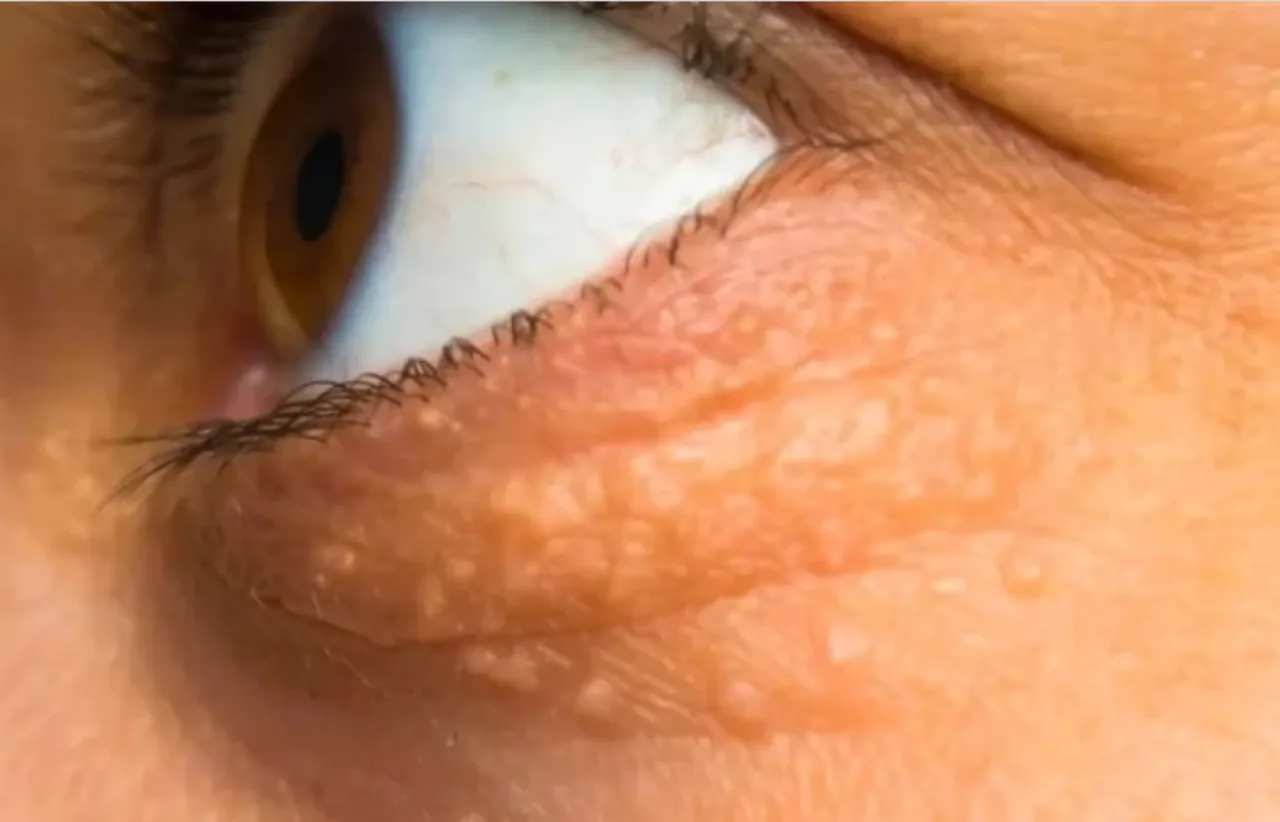
In some cases, however, cholesterol can leave visible signs. These signs cause no pain or affect vision but can serve as a warning that the body is storing more fat than it should in the blood.
According to experts from the Cleveland Clinic, there are two signs on the face that the experts consider as potential indicators of high cholesterol:
• Small yellow patches near the inner corner of the eyelids.
• A gradually forming pale ring around the colored part of the eye.
What do these signs mean?
The yellow patches - medically known as "xanthelasma" - occur when cholesterol molecules accumulate under the skin.
They are not dangerous in themselves, but they often appear with high cholesterol or metabolic conditions such as diabetes.
The pale ring, called "corneal arcus", develops when fatty deposits accumulate along the edge of the cornea.
This ring does not cause damage to vision, but those who notice it are advised to check their cholesterol levels.
Steps to reduce risks
Health recommendations emphasize taking familiar measures such as reducing saturated fats, engaging in physical activity, and avoiding alcohol and smoking.
These habits help keep the bloodstream free of excess cholesterol and reduce the risk of heart attacks and strokes.