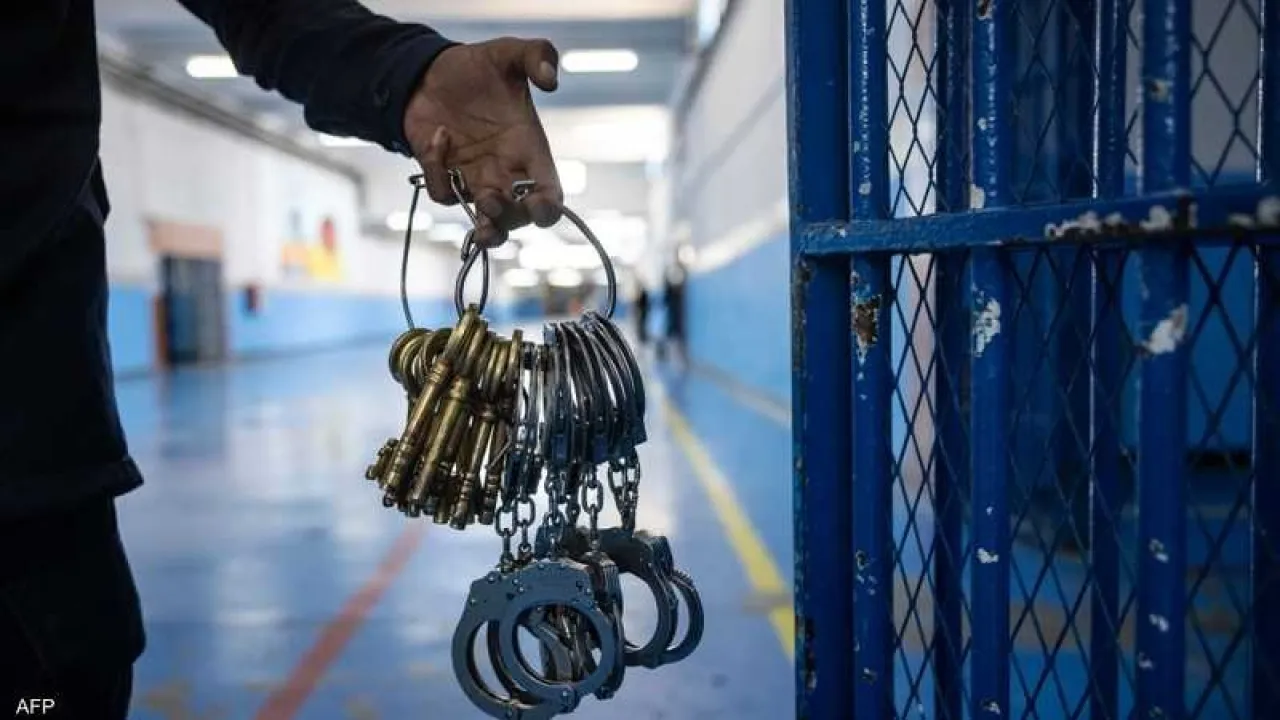
Khaberni - Minister of Justice Bassam Talhouni said on Tuesday that the number of judicial decisions issued with alternative punishments to custodial sentences has exceeded (14) thousand since the implementation started.
Talhouni made this statement while sponsoring a seminar entitled "A Vision Towards the Future, Alternatives to Custodial Punishments in Jordan", which was held on Tuesday, organized by the Ministry of Justice in cooperation with the International Organization for Migration within the project to support access to justice in Jordan funded by the European Union, in the presence of the European Union Ambassador to Jordan, Pierre-Christophe Chatzisavvas.
Talhouni stated that alternatives to custodial punishments embody the directives of His Majesty King Abdullah II in consolidating the foundations of the rule of law and institutions.
He emphasized that His Majesty the King's guidance during his last visit to the Judicial Council regarding alternatives to custodial punishments motivates us all to move forward in this transformation in the framework of restorative justice, which combines protecting society and safeguarding rights and freedoms, achieving the concept of restorative justice without compromising community security and peace.
Talhouni mentioned that alternatives to custodial punishments are innovative and more effective solutions in achieving the objectives of justice while reducing the negative impacts of traditional punishments.
Talhouni explained that implementing alternatives to custodial punishments has helped overcome several challenges like the negative impact on the convicted individuals and their families, preventing defendants from losing their livelihood, and facilitating the reintegration of individuals into the community and preventing relapse and criminal contagion cases.
Talhouni clarified that working with alternatives to custodial punishments has given several convicts a real chance to reform themselves, especially in minor crimes where the convicted can stay within the community without threatening public order, in addition to reducing overcrowding in correctional facilities and easing the financial burden on the state treasury.
Talhouni pointed out that the activities of the discussion session represent an exceptional opportunity to enhance dialogue and exchange experiences between participants from various disciplines to discuss the best practices that can be implemented in our community, and to set practical recommendations with future steps for developing policies, laws, and practices that support these alternatives.
Talhouni stressed the importance of digital transformation and the technological role in developing procedures and improving performance, outlining future steps to enhance the effectiveness of alternatives to custodial punishments, automating legislative amendments and reflecting them on the trial system - Mizan, and strengthening the institutional capacity of alternative punishment liaison officers by providing adequate empowerment through qualification and training.
Experts, specialists from the Ministry of Justice, specialized judges from the Judicial Council, representatives of partner entities, and representatives from civil society organizations spoke at the discussion session.
The session witnessed an open discussion among the attendees, where they emphasized the importance of promoting the implementation of alternatives to custodial punishments, highlighting the successes of their application, addressing accompanying challenges, exploring future opportunities, and the importance of enhancing digital transformation and technological roles with the aim of necessary development and improvement, discussing future steps to enhance the effectiveness of alternatives to custodial punishments.