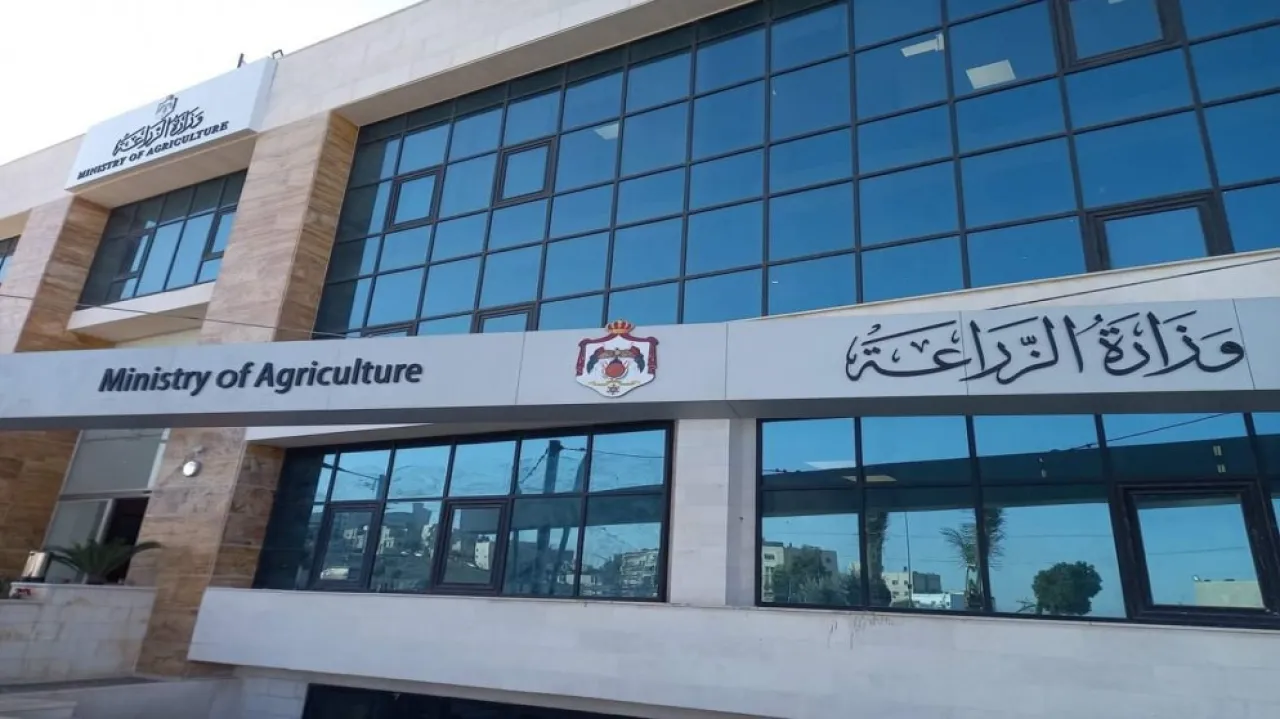
Khaberni - The Secretary-General of the Ministry of Agriculture, engineer Mohammad Al-Hayari, stated that the quantity of olive oil to be imported in the first phase is estimated at about 4,000 tons, which is an initial amount subject to increase according to the assessment of the local market needs later, as part of the ministry's plan to ensure price stability and provide high-quality oil to the citizens after the decline in local production quantities this season.
Al-Hayari clarified in a statement to the Jordanian News Agency (Petra) that the priority for importation would be given to the Military Consumption Institution, the Civil Consumption Institution, the Press Owners Union, the Farmers Union, in addition to private sector companies that meet the specified terms and criteria.
He explained that the importation process will begin next week, while the portal for receiving registration applications will close next Thursday, confirming that the applications will be evaluated based on clear and fair criteria, based on the priorities set by the ministry.
He emphasized that there would be no room for nepotism or favoritism, and that imports would only be through companies that have an official commercial registry and comply with regulatory conditions.
He added that the importations would be from countries of the International Olive Council, including Turkey, Greece, Tunisia, Italy, Spain, and Morocco, ensuring a diversity of import sources and availability of the highest quality oil.
Al-Hayari noted that the importation will be carried out in packages not exceeding 4 kilograms capacity, with the exception of the Press Owners Union, which will be allowed to import in packages up to 8 kilograms, indicating that the aim is to regulate marketing and distribution processes and prevent any exploitation of the markets or price discrepancies.
Al-Hayari affirmed that the main goal of allowing imports is to secure the citizen's need for high-quality olive oil at fair prices that comply with Jordanian specifications and standards, emphasizing that the Ministry of Agriculture is closely monitoring the file to ensure transparency, fairness in distribution, and market stability during the upcoming period.