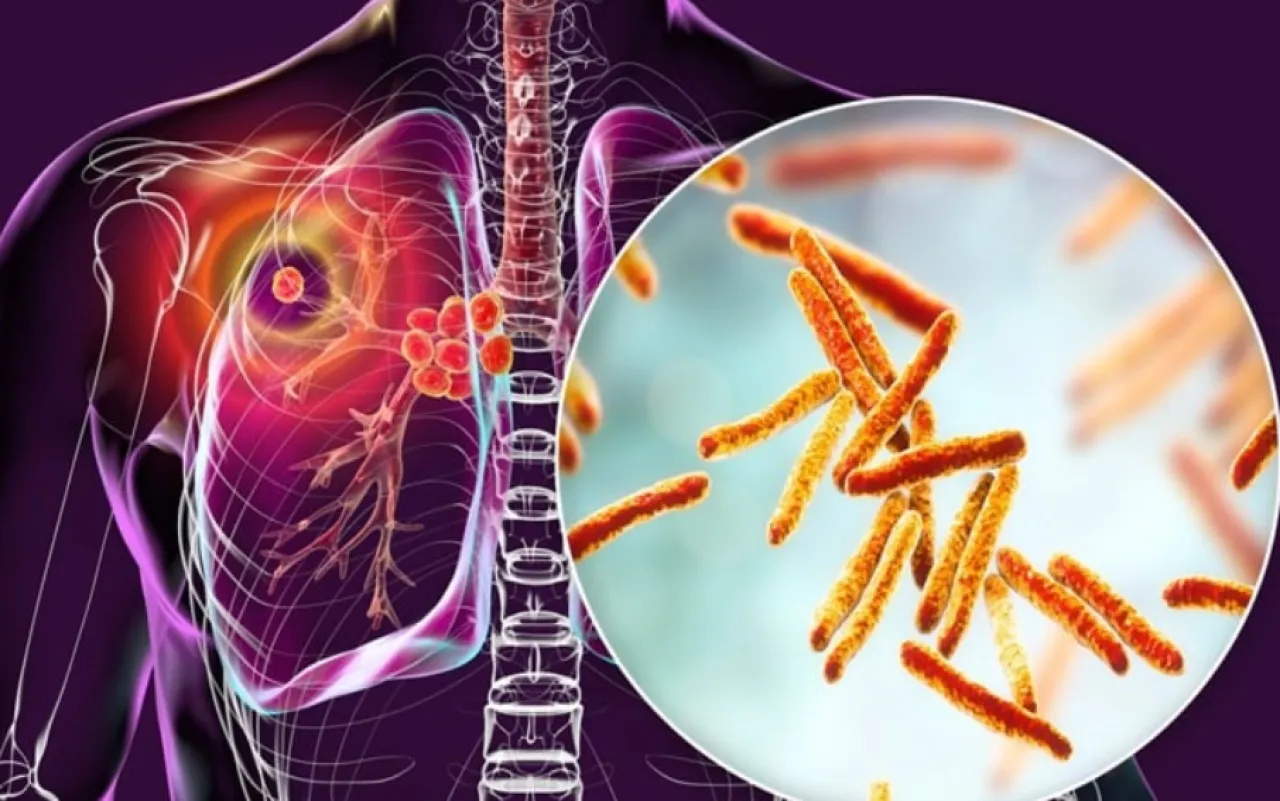
Khaberni - Scientists might be on the verge of developing a new vaccine to combat tuberculosis, one of the deadliest diseases in the world.
Over a century ago, researchers developed the BCG vaccine, which led to a significant decrease in tuberculosis cases in places like the United States from more than 80,000 cases annually to just a few hundred over the following decades.
However, according to "Daily Mail," tuberculosis still claims the lives of more than a million people annually, particularly lethal in developing countries where access to modern antibiotics is limited.
Tuberculosis's resistance to some drugs has become the main cause of infectious disease deaths worldwide.
While the current vaccine offers less protection for adults despite its efficacy in children, especially in regions with a high prevalence of tuberculosis.
The new generation of the vaccine
Now, scientists at the Massachusetts Institute of Technology are working on a next-generation vaccine using proteins produced by the tuberculosis bacterium.
The team infected human phagocytic cells, white blood cells that boost immunity by engulfing pathogens and destroying them, with tuberculosis bacteria.
They then extracted proteins called MHC-II from the surface of these cells, identifying specific peptides, which are short chains of amino acids, that bind to these proteins.
The researchers found that 24 peptides stimulated a response from T-cells, which are cells of the immune system that fight pathogens, indicating that these peptides help T-cells recognize and more effectively destroy tuberculosis bacteria.
The research team believes that a vaccine using a combination of these peptides will likely succeed with most people.
Great hope in the new vaccine
Brian Bryson, Associate Professor of Biological Engineering at MIT and member of the Ragon Institute affiliated with Massachusetts General Hospital Brigham in Boston, said: "There is still a tremendous burden of tuberculosis globally, and we would like to make a difference."
He continued to explain: "What we tried to do in this initial tuberculosis vaccine is to focus on the antigens that we repeatedly saw in our tests, which also seem to stimulate a response in T-cells even in those who were previously infected with tuberculosis."
1921 vaccine
Tuberculosis prevention worldwide is primarily done using the BCG vaccine, developed in 1921.
Since then, no other vaccines have been approved for use, largely because the tuberculosis bacterium produces more than 4,000 proteins, making it difficult to identify those that stimulate a strong immune response.
World Health Organization estimates indicate that in 2023, approximately 10.8 million people were infected with tuberculosis, with 1.25 million deaths resulting from the disease.