Khaberni - The representative of the food sector in the Jordan Chamber of Commerce, Engineer Jamal Amro, reiterated his call to allow the importation of olive oil, in light of the clear shortage in the local market.
Amro emphasized that opening the door to imports would help provide sufficient quantities of olive oil to meet the needs of the local market, at prices affordable to consumers, according to opinion.
He pointed out that the demand for food items has decreased over the past two days, noting at the same time that food prices are stable and are not experiencing any new increases.
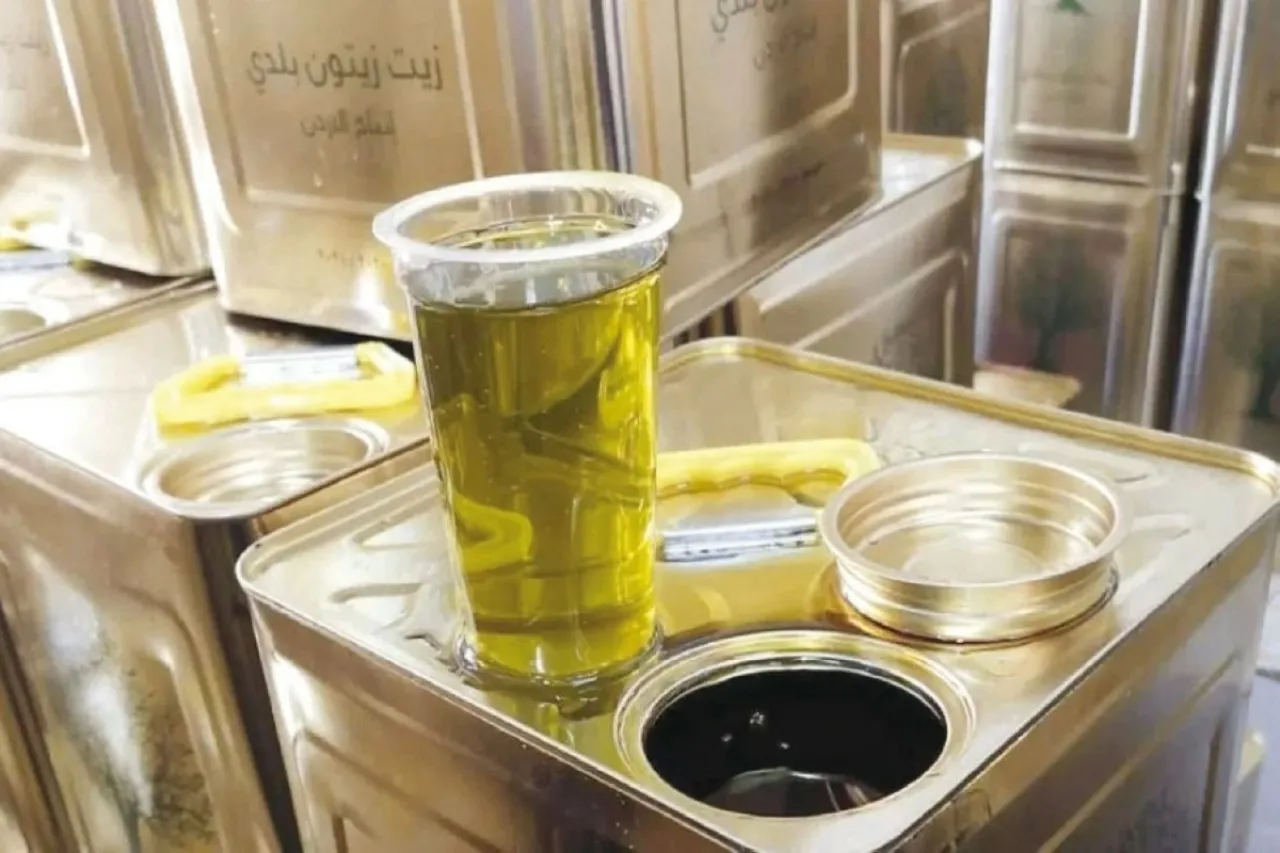
Amro had previously demanded the allowance of olive oil imports, explaining that the price of a “tank” of oil had exceeded 120 dinars from the presses due to the shortage of the crop during the current season.
In the same context, the General Syndicate of Millers and Olive Oil Producers discussed during a previous meeting the prices of olive oil for the 2025–2026 season, based on production indicators and the level of local and foreign demand, and the quality of the crop.
The Syndicate announced in a statement that the fee for pressing olives has been fixed for the fifth consecutive year, affirming its commitment to supporting farmers and producers, and maintaining the stability of operational costs for millers, despite rising production inputs and energy prices.
The Syndicate added that after extensive discussions and a comprehensive review of the data, it was agreed that the price of a tank of oil would range between 100 and 110 dinars, according to the supply-demand equation, taking into account the difference in quality between regions and levels of acidity and freshness.
On his part, the head of the millers’ guild, Tayseer Najdawi, explained that these decisions aim to achieve fairness in pricing and ensure a balance between the interests of the producer and the consumer, which contributes to the sustainability of the agricultural sector and enhances confidence in the national product.
Najdawi confirmed that Jordanian olive oil continues to reinforce its status as one of the finest oils in the region and the world, due to its high quality and distinctive natural purity, calling for continued support for the sector and providing facilities for farmers and millers, alongside tightening quality control of oil in the market to preserve the reputation of the Jordanian product and consumer rights.