Khaberni - The case regarding the arrest of Hannibal Muammar Gaddafi, detained in Lebanon for 10 years, has entered a "relief stage" following the visit of a high-level Libyan delegation to Beirut carrying serious signals for resolving this complex file, which for years has formed a political and judicial crisis between the two countries.
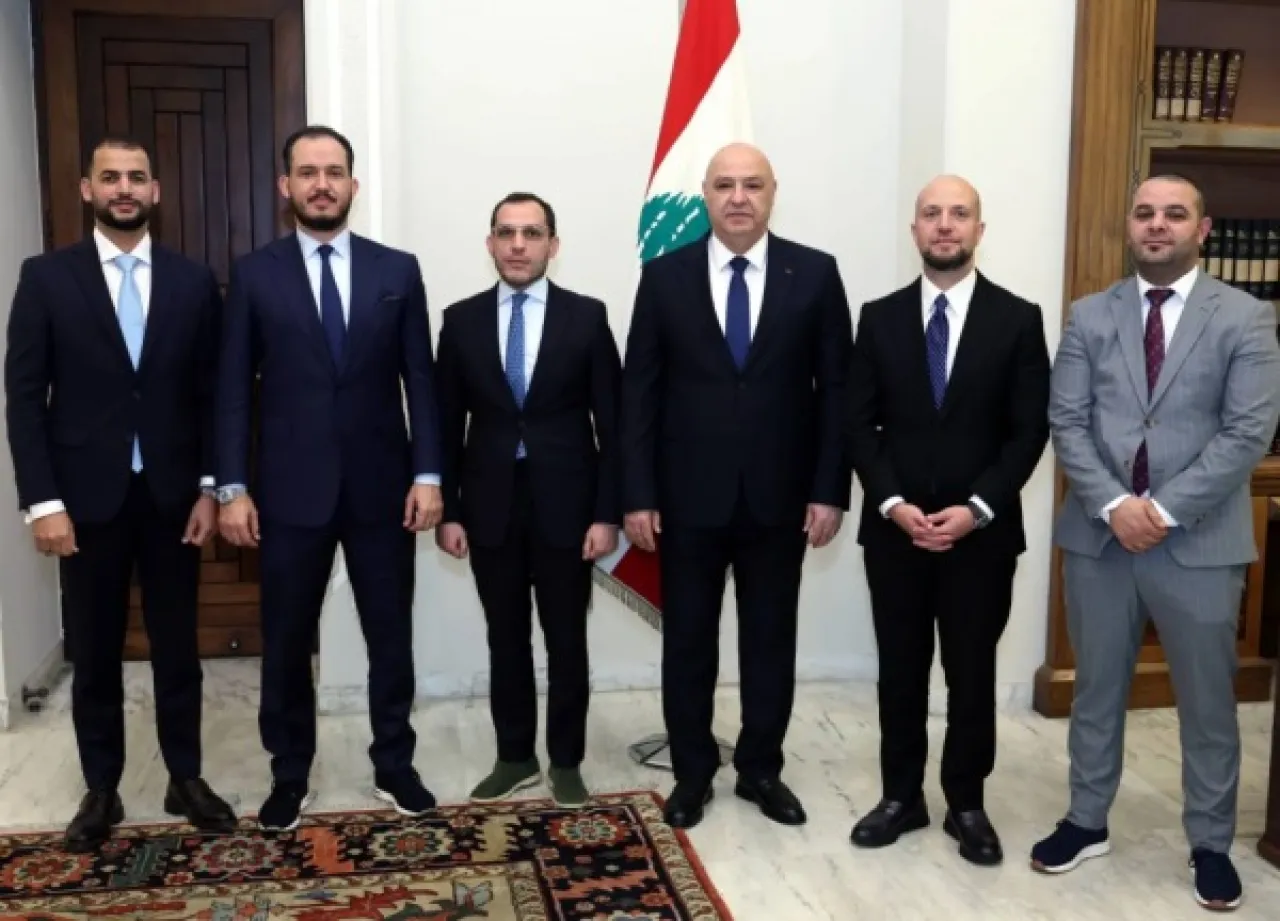
The Libyan delegation, which included the adviser to Prime Minister Abdul Hamid Dbeibeh, the Minister of Information, the Libyan Ambassador to Syria, and a number of official representatives, held a series of intensive meetings with top Lebanese officials, most notably with the General Prosecutor Judge Jamal Al Hajjar, and the judicial investigator in the case of the disappearance of Imam Musa Al Sadr and his companions Sheikh Mohammed Yaacoub and journalist Abbas Badreddine, Judge Zaher Hamadeh, plus Judge Hassan Al Shami, the head of the follow-up committee in the case, before concluding its tour with a meeting with the President of the Republic, Joseph Aoun.
Well-informed judicial sources revealed to "Al Sharq Al Awsat" that "the Libyan delegation showed full cooperation with Lebanon, and provided the judicial investigator with a copy of the investigations conducted by Libyan authorities on the Imam Sadr case, which include interrogation records of several top security and political officials from the former Libyan regime."
It indicated that "this move comes in implementation of the memorandum of understanding signed between Lebanon and Libya on March 11, 2014, which had been suspended from execution for political and procedural reasons."
The well-informed judicial sources following the delegation's meetings confirmed that the Libyan initiative "is considered a significant development in the path of judicial cooperation between the two countries," emphasizing that "the Lebanese judiciary has shown readiness to reciprocate, and there were clear indications of flexibility in Hannibal Gaddafi's file."
Bail Reduction
It pointed out that there is "a serious direction to reduce the bail amount imposed on Hannibal, which amounts to 11 million dollars, to its minimum, so as not to constitute an obstacle to his release, in addition to the possibility of lifting the travel ban immediately upon the decision to release him, and allowing him to leave Lebanese territory."
According to the information, the judicial investigator will focus on carefully studying the Libyan file submitted in the coming days to evaluate whether the data contained therein is capable of providing any new leads in the case of the disappearance of Imam Musa Al Sadr and his companions. The same sources said that the Lebanese judiciary "hopes that the new Libyan documents will help clarify some of the ambiguous circumstances that have accompanied the case since 1978, which may constitute an entry point for a mutual and radical solution to lingering files between the two countries."
Political and Diplomatic Dimensions
On the other hand, an official Lebanese source pointed out that the Libyan delegation's visit "exceeded the judicial aspect, and carried broader political and diplomatic dimensions." It explained to "Al Sharq Al Awsat" that "the Libyan leadership intended through sending a high-level delegation to open a new page of cooperation with the Lebanese state, and to rebuild trust between Beirut and Tripoli West after years of estrangement and stagnation."
It noted that "the meeting with the President of the Republic, General Joseph Aoun reflected a clear official intention toward repairing bilateral relations, and possibly laying the foundations for a new political and economic partnership in the coming phase."
It considered that "resolving the crisis of Hannibal Gaddafi's detention will serve as a key to activating Lebanese-Libyan relations on multiple levels, and the success of this path will rejuvenate the official relations, paving the way for broader cooperation in security, judicial, and economic matters that had been frozen for more than a decade." The official source emphasized that "if things go as expected, the release of Hannibal Gaddafi will mark the beginning of a new phase of relationships between the two countries, based on mutual interests and mutual respect, after long years of disconnection."