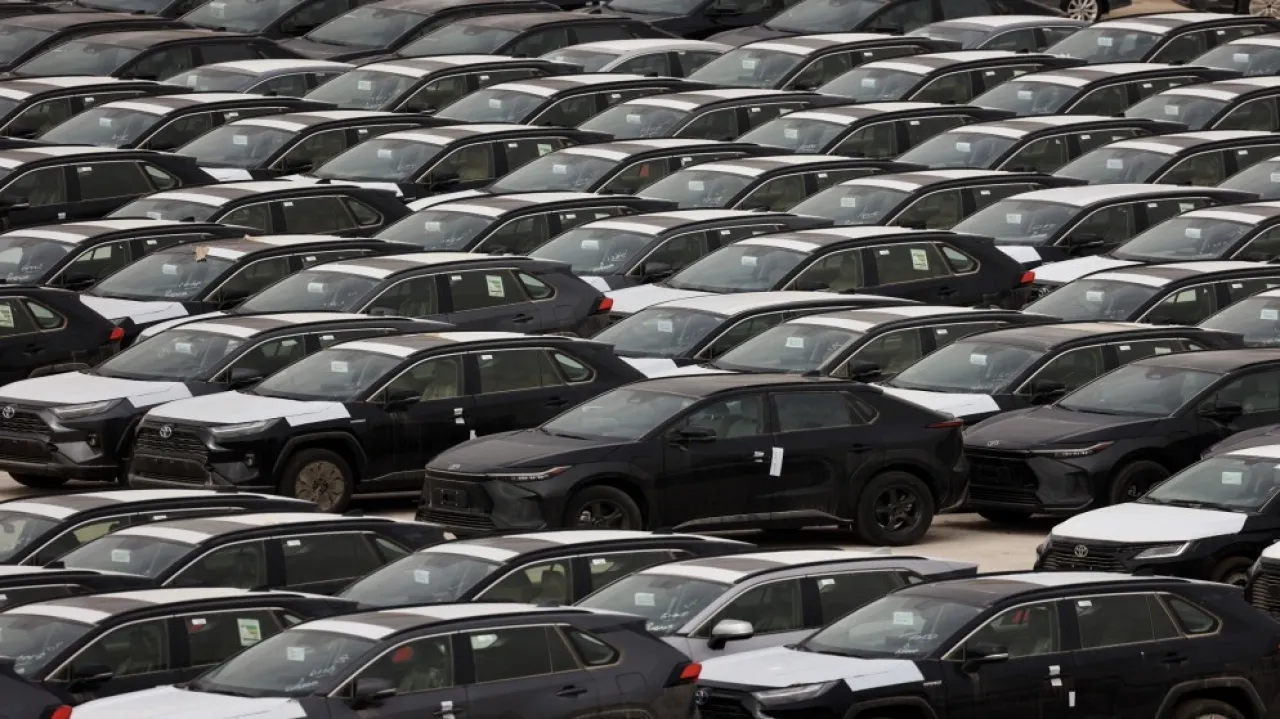
Khaberni - The director of customs for the free zone in Zarqa, Rekad Al-Essa, stated that the number of remaining vehicles in the free zone's balance is 1896 vehicles, excluding electric vehicles from the 2024, 2025, and 2026 models, as they are subject to specification conformity instructions, and their permitted grace period ends on September 1, 2025.
Al-Essa clarified that the remaining stock of vehicles will be re-exported to suitable markets, or will be cleared as spare parts for the local market, depending on the type and condition of the vehicle.
He added that the number of vehicles that have been cleared for the local market amounted to 60,731 vehicles out of about 70 thousand vehicles that were deposited in the free zone during the period from June 28 until November 1, 2025.
He indicated that hybrid vehicles topped the clearance list with 29,402 vehicles, followed by electric vehicles with 26,688 vehicles, then petrol vehicles with 2,976 vehicles, diesel with 1,661 vehicles, plus 4 classic vehicles.
Al-Essa confirmed that the customs department immediately began implementing the government decisions issued on June 28, 2025, which aim to restructure the vehicle sector, noting that the new instructions took effect starting Sunday.
The decision of the council of ministers, effective from the dawn of Sunday, to restructure the vehicle sector; has come into effect, which includes subjecting all passenger cars, whether petrol, hybrid, or electric to Jordanian standard specifications, ensuring they conform to one of the technical legislative systems of Europe, the United States, the Gulf, or Saudi Arabia.
The decision also included a ban on importing electric cars if more than 3 years have passed, including the year of clearance.
The decision also included a ban on importing vehicles classified in the country of origin as "salvage or junk," like those that have undergone major accidents such as fire, flooding, or scrapping, etc., in order to preserve public safety and to improve the quality of imported vehicles and regulate their market.
The government reiterated that no vehicles will be allowed entry after this date unless they meet these requirements.
These decisions are part of a comprehensive and structural reform package for the vehicle sector in Jordan, aimed at achieving balance, sustainability, and ensuring compliance with approved technical standards and safety, according to the government.