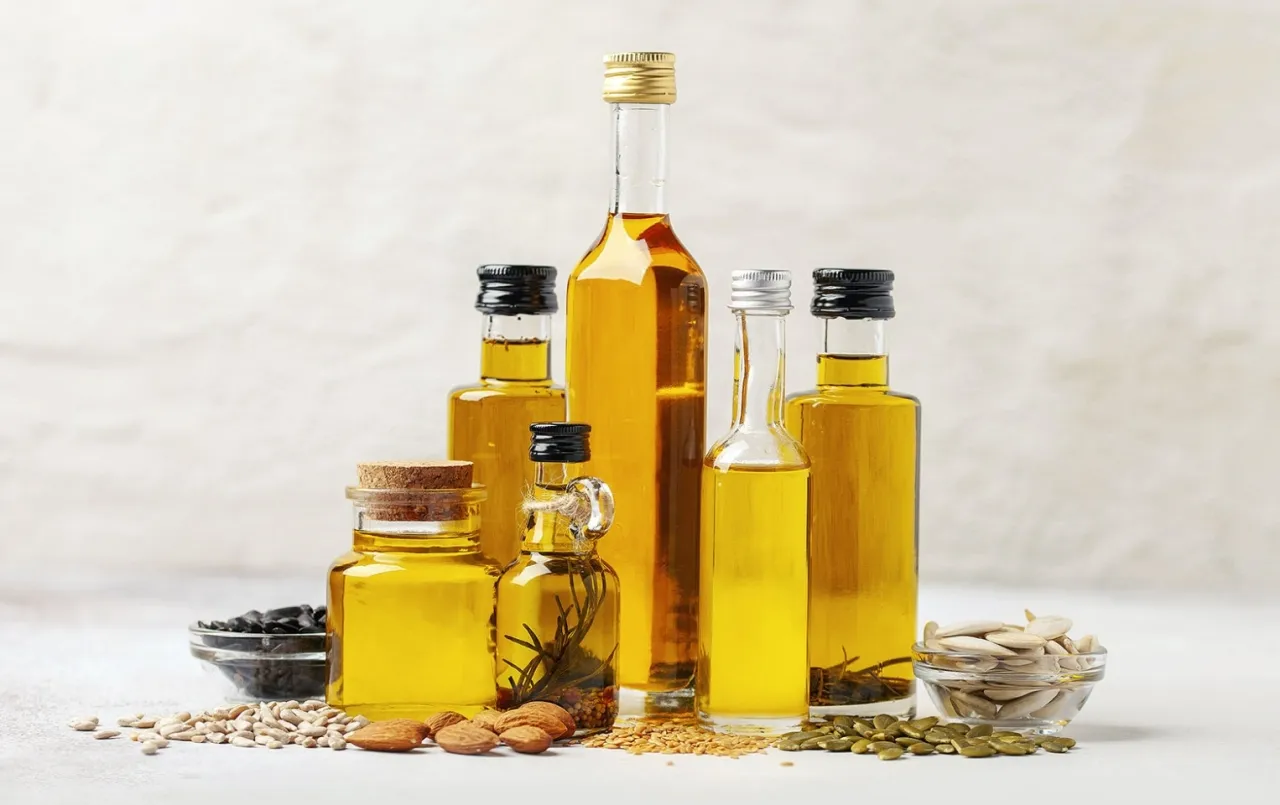
Oil is a fundamental element in Arab cuisine, as hardly any dish is free from the use of some type of oil, whether for frying, cooking, or dressing salads.
With the variety of oils available in the market today, choosing the right oil for health has become a challenge for housewives and nutrition enthusiasts.
Are all oils suitable for cooking? What is the difference between vegetable and animal oils? And which ones are best for the human body?
In this article, we review the most famous types of oils used in Arab cuisine and explore their benefits and harms, clarifying which are best in terms of nutritional value and overall health.
1. Olive oil: The liquid gold of Arab cuisine
Olive oil is one of the oldest and most famous oils in Arab cuisine, particularly in the Levant, Palestine, Jordan, Tunisia, and Morocco.
This oil is characterized by its golden green color and distinctive taste, and is used in salads and appetizers like hummus and beans, as well as in light cooking.
Health benefits:
• Rich in monounsaturated fatty acids, beneficial for the heart.
• Contains strong antioxidants like polyphenols that combat inflammation.
• Helps lower harmful (LDL) cholesterol levels and raise the good (HDL).
• Contributes to the prevention of heart diseases and strokes.
Ideal use:
• It is preferable to use extra virgin olive oil for light cooking or as an addition to salads and bread.
• It is not recommended for deep frying, as high temperatures can affect its nutritional quality.
2. Sunflower oil: Most common in Arab households
Sunflower oil is a common oil in most Arab kitchens due to its suitable price and light taste that does not affect the flavor of food.
Health benefits:
• Contains a high level of vitamin E, which acts as a natural antioxidant.
• Light on the stomach and easy to digest.
• Suitable for shallow frying and browning.
Warnings:
Despite its benefits, excessive use can be harmful because it contains a high level of omega-6, which, if it outweighs omega-3, can cause inflammation in the body.
3. Corn oil: Light and suitable for frying
Corn oil is widely used in Arab cooking, especially for frying potatoes, chicken, and general deep frying.
Health benefits:
• Contains unsaturated fatty acids.
• Rich in vitamin E.
• Tolerates relatively high temperatures without breaking down easily.
But beware:
Some types of corn oil available in the market are refined and partially hydrogenated, making them less beneficial and more harmful to the heart when used continually.
4. Canola oil: The healthy modern choice
Canola oil has recently spread in the Arab world as a healthy alternative to traditional oils.
Health benefits:
• Contains a very low amount of saturated fats.
• Rich in omega-3 fatty acids beneficial for the heart and brain.
• Suitable for cooking at medium to high temperatures.
Ideal use:
• Good for frying eggs, or cooking vegetables, or preparing light dishes like fish or soup.
• Considered one of the best oils for those following a low-fat diet.
5. Sesame oil: Authentic Arab flavor
Sesame oil is a traditional oil famously used in Eastern kitchens, especially in the Gulf, Sudan, and the Maghreb, characterized by its strong taste and unique aroma, and is generally used for food seasoning rather than deep frying.
Health benefits:
• Contains calcium, magnesium, and zinc.
• A strong antioxidant and anti-inflammatory.
• Helps lower blood pressure and improve blood circulation.
Advice:
Use sesame oil in moderate amounts to add a distinctive flavor, especially in salads, grills, and rice.
6. Coconut oil: Between benefits and controversy
Coconut oil has recently entered Arab kitchens as a natural ingredient with multiple benefits in cooking and for skin and hair care.
Health benefits:
• Contains medium-chain fats that help boost energy.
• Features high thermal stability, making it suitable for cooking and frying.
But the debate continues:
• Coconut oil contains a high level of saturated fats, which makes it controversial health-wise.
• Therefore, it is recommended to use it moderately, especially for those suffering from cholesterol issues.
7. Ghee and butter: Between tradition and risks
• In many traditional Arab dishes — such as Kabsa, Maqluba, and Mansaf — traditional ghee still holds a special place.
• However, recent studies recommend moderation in its use.
Benefits:
• Provides food with a rich flavor and an authentic Arab taste.
• Contains some fat-soluble vitamins such as A and D.
Negatives:
• Rich in saturated fats that raise harmful cholesterol.
• Not suitable for people with heart diseases or high fat levels.
8. Avocado oil: The excellent modern oil
Avocado oil is one of the newest types of oils that has recently entered the Arab kitchen, and it is among the most expensive and beneficial oils.
Health benefits:
• Contains monounsaturated fatty acids similar to olive oil.
• Rich in potassium and antioxidants.
• Helps lower cholesterol and regulate blood pressure.
Ideal use:
Excellent for salads or cooking at high temperatures, as it is one of the few oils that do not decompose thermally quickly.
Comparison of oils in terms of health benefits
Oil Best Use Main Benefits Notes
Olive oil Salads and light cooking Good for the heart, antioxidant Not recommended for deep frying
Sunflower oil Shallow frying Rich in vitamin E Use moderately
Canola oil General cooking Contains omega-3 Suitable for medium frying
Sesame oil Flavoring and seasoning Lowers blood pressure Strong taste, use sparingly
Coconut oil Frying and browning Fast energy source High in saturated fats
Traditional ghee Traditional dishes Distinct flavor, not healthy in excess
What is the best oil for healthy cooking?
According to most nutrition experts, the healthiest choices are:
• Extra virgin olive oil for light cooking and salads.
• Canola and avocado oils for daily cooking and medium frying.
• Sunflower oil for quick use while avoiding excess.
• Avoid hydrogenated or artificial ghee as they are the most harmful and should be avoided as much as possible.
Tips for using oils in a healthy way
• Do not heat the oil to the point of combustion.
• Do not use oils more than once for frying.
• Store oils in a dark and dry place away from heat.
• Vary between oils to avoid accumulating one type of fat.
• Replace hydrogenated oils with natural, unrefined oils.
In summary, regarding the types of oils used in Arab cuisine:
• Arab cuisine is rich in unparalleled flavors, and oils are a fundamental part of this heritage.
• However, maintaining health requires choosing the right oil for each type of food.
• While olive oil provides authentic taste and health benefits, canola and sesame oils offer excellent alternatives for frying and cooking.
• The secret is balance: use oils moderately, and avoid hydrogenated or heavily refined types.
With this, we can say that oil is